Classic Pumpkin Pie

Servings: 8 · Prep: 30 min · Cook: 80 min · Total: 420 min

Ingredients

  • 1 1/3 cups All-purpose flour
  • 1/2 cup Unsalted butter
  • 3/4 teaspoon Fine salt
  • 1/4 cup Ice-cold water
  • about 1 3/4 cups (15 ounces) Plain canned pumpkin puree
  • 1 1/2 cups Evaporated milk
  • 2 Large eggs
  • 3/4 cup Granulated sugar
  • 1 1/2 teaspoons Ground cinnamon
  • 1/2 teaspoon Ground ginger
  • 1/4 teaspoon Ground nutmeg

Equipment

Mixing Bowl; Whisk; Spatula; Baking Sheet; Measuring Cups; Measuring Spoons; Knife; Cutting Board; Fork; Parchment paper; Aluminum foil; Rolling pin; Cooling rack; Plastic wrap; thermometer; pie pan; pie weights; mixing bowl; whisk; spatula; baking sheet; measuring cups; measuring spoons; knife; cutting board; fork; parchment paper; aluminum foil; rolling pin; cooling rack; plastic wrap

Steps

  1. Prepare the butter and work surface. Wash your hands and clean the work surface. Cut the cold butter into 1/2-inch cubes, then refrigerate it while you measure the pastry ingredients.
    • 1 1/4 cups flour
    • 1/2 cup butter
    • 1/2 teaspoon salt
    • 1/4 cup Water
  2. Work the butter into the flour. Combine 1 1/4 cups flour and 1/2 teaspoon salt in the large bowl. Add the butter and rub it into the flour with your fingertips until the mixture contains pea-sized pieces and a few thin, flattened flakes. Work quickly so the butter stays cold.
    • 1 1/4 cups flour
    • 1/2 cup butter
    • 1/2 teaspoon salt

    Do not taste the raw flour mixture; raw flour can carry harmful bacteria.

  3. Form and chill the dough. Drizzle the 1/4 cup ice-cold water over the mixture, tossing with a fork until evenly moistened. Gently press the mixture together into a rough dough; it should hold when squeezed, although it may look slightly crumbly. Do not knead. Flatten into a disk about 1 inch thick, wrap tightly, and refrigerate for 1 hour.
    • 1/4 cup Water

    Wash hands and utensils after handling raw dough.

  4. Roll out the pastry. Use the reserved 2 tablespoons flour to lightly dust the work surface, dough, and rolling pin. Roll the dough into a 12-inch circle, working from the center outward and turning it frequently. If the dough cracks because it is too cold, let it stand for 5 minutes before continuing.
    • 2 tablespoons flour
  5. Shape the crust and preheat the oven. Ease the dough into the pie pan without stretching it. Trim the edge to leave a 1-inch overhang, fold the overhang underneath, and crimp. Refrigerate for 30 minutes. Meanwhile, position an oven rack in the lower third and heat the oven to 375°F (190°C).
  6. Blind-bake with pie weights. Line the chilled crust with parchment, leaving enough overhang to lift it out. Fill with pie weights, distributing them against the sides as well as across the base. Set the pie pan on the baking sheet and bake for 20 minutes.
  7. Dry the crust and lower the oven temperature. Carefully lift out the parchment and weights. Bake the empty crust for another 8–10 minutes, until the bottom looks dry and the edges are lightly golden. If the base puffs, gently press it down with the back of a spoon. Reduce the oven temperature to 350°F (175°C).

    Use oven mitts when removing the hot crust, parchment, and pie weights.

  8. Mix the pumpkin custard. While the crust bakes, whisk the sugar, cinnamon, ginger, nutmeg, and remaining 1/4 teaspoon salt in the medium bowl. Whisk in the pumpkin puree and eggs until smooth, then gradually whisk in the evaporated milk. Mix gently to avoid creating a foamy surface. Wash your hands after handling the eggs.
    • 3/4 cup sugar
    • 1 1/2 teaspoons cinnamon
    • 1/2 teaspoon ginger
    • 1/4 teaspoon nutmeg
    • 1/4 teaspoon salt
    • about 1 3/4 cups (15 ounces) pumpkin puree
    • 2 egg
    • 1 1/2 cups evaporated milk

    Do not taste the uncooked filling; raw eggs can carry harmful bacteria. Wash hands after handling eggs.

  9. Fill the warm crust. Pour the filling into the warm, partially baked crust, leaving approximately 1/4 inch of space below the top edge. Keep the pie on the baking sheet for easy handling.
  10. Bake until the custard is just set. Bake for 50–60 minutes, beginning to check at 45 minutes. The outer 2 inches of filling should look set, while the center should wobble gently as one piece when the pan is nudged; it should not ripple like liquid. A thermometer inserted into the center without touching the pan will typically read 170–175°F (77–79°C) when the custard is set and must reach at least 160°F (71°C). Loosely shield the crust edge with foil if it becomes deeply golden before the filling is ready.

    Use a clean thermometer and ensure the center reaches at least 160°F (71°C).

  11. Cool on a wire rack. Remove the pie before the center becomes completely firm or the filling puffs and cracks. The custard will continue setting as it cools. Place the pie on a wire rack for 1 1/2 hours.

    Use oven mitts when transferring the hot pie to the cooling rack.

  12. Refrigerate until completely cold. Transfer the pie to the refrigerator and chill, uncovered, for at least 2 hours, until completely cold and firm enough to slice cleanly. Once cold, cover it. Refrigerate within 2 hours of leaving the oven, even if it still feels slightly warm.

    Refrigerate within 2 hours of removing the pie from the oven, or within 1 hour if the room exceeds 90°F (32°C).

  13. Slice, serve, and store. Cut into 8 wedges and serve chilled. Cover and refrigerate any remaining pie promptly at 40°F (4°C) or below, and use within 3–4 days.

    Keep leftovers refrigerated at 40°F (4°C) or below and use within 3–4 days.

Notes

Use plain pumpkin puree, not sweetened, spiced pumpkin pie filling.

The wrapped pastry disk can be refrigerated for up to 2 days before rolling. Let it soften just enough to roll without cracking.

For convenient holiday preparation, bake the pie the day before serving. Keep it covered and refrigerated once fully cooled.

Cooking safety

Do not taste raw pastry or uncooked filling; raw flour and eggs can carry harmful bacteria.

Wash hands, utensils, and work surfaces after contact with raw dough and eggs. Clean the thermometer before and after use.

If the room temperature is above 90°F (32°C), refrigerate the pie within 1 hour rather than 2 hours. Keep serving time at room temperature within these same limits.

https://plumtally.com/recipes/classic-pumpkin-pie-r33gj3qgkpw2
Classic Pumpkin Pie

Classic Pumpkin Pie

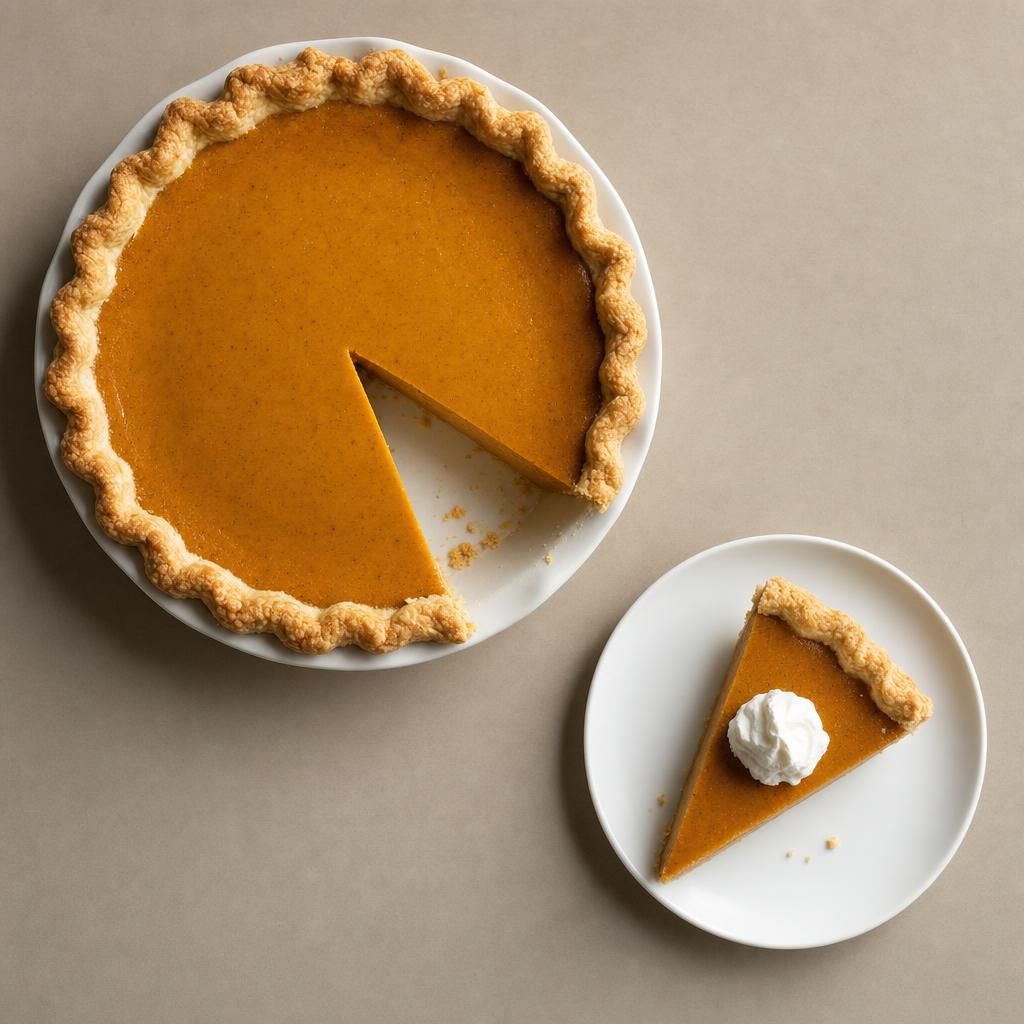
A smooth, warmly spiced pumpkin custard in a flaky homemade butter crust. A gentle bake keeps the filling creamy and tender.

Kroger

$6.51

Per Serving

$0.81

Prep

30 min

Cook

80 min

Difficulty

hard

Ingredients and shopping

Servings

$29.30

10 to buy · 0 you have

22% used in this recipe$22.79 unused

Steps

Centered stainless steel mixing bowl on a neutral light background.Mixing Bowl
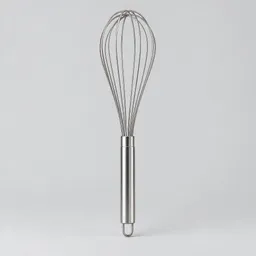
Centered stainless-steel balloon whisk on a light neutral background.Whisk
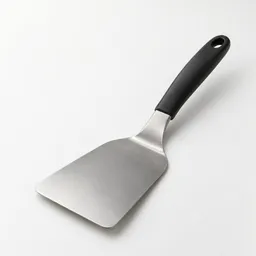
Realistic studio photograph of a plain black-handled stainless-steel kitchen spatula centered on a neutral light background.Spatula
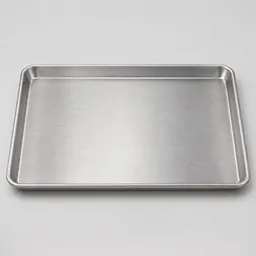
Centered studio photograph of a plain rectangular aluminum baking sheet on a light neutral background.Baking Sheet
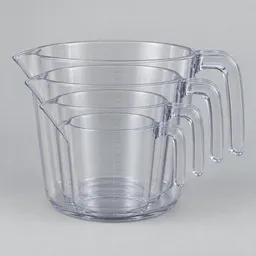
Centered nested set of four clear measuring cups with handles on a neutral light background.Measuring Cups
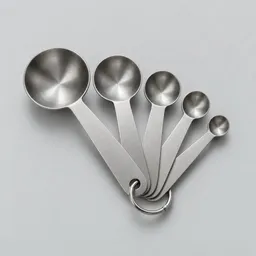
Centered studio photograph of a set of stainless steel measuring spoons on a pale neutral background.Measuring Spoons
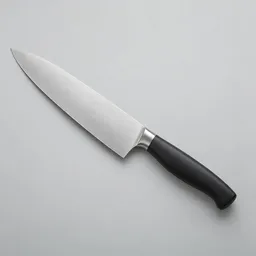
Centered studio photograph of a complete kitchen knife with a steel blade and dark handle on a light neutral background.Knife
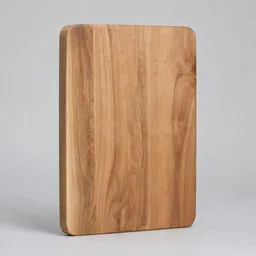
Centered rectangular wooden cutting board photographed against a plain light background.Cutting Board
Centered stainless-steel fork on a neutral light-gray background.Fork
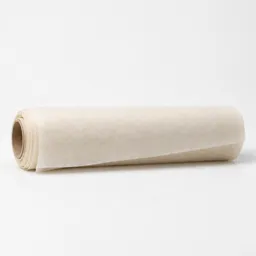
Centered studio photograph of a plain roll of off-white parchment paper on a neutral light background.Parchment paper
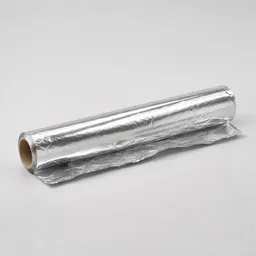
Centered unbranded roll of aluminum foil on a light neutral background.Aluminum foil
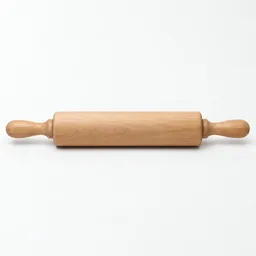
Centered wooden rolling pin on a light neutral background.Rolling pin
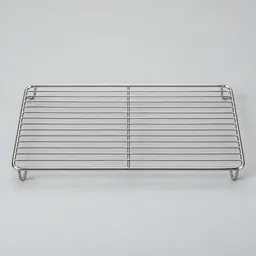
Centered stainless steel rectangular cooling rack with raised feet on a neutral light background.Cooling rack
Centered studio photograph of a plain roll of transparent plastic wrap on a light neutral background.Plastic wrap
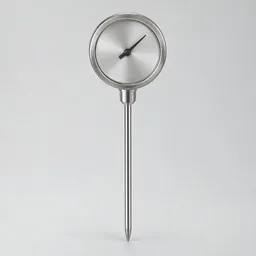
Centered unbranded analog kitchen thermometer with a stainless-steel probe on a neutral light background.thermometer
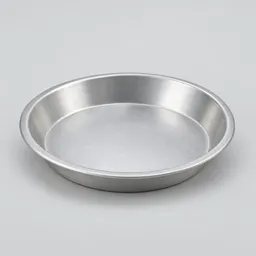
A plain silver round pie pan centered on a light neutral background.pie pan
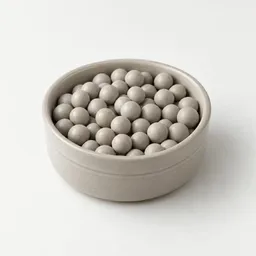
A complete set of smooth gray ceramic pie weights arranged in a compact cluster on a light neutral background.pie weights
1

Prepare the butter and work surface

Centered nested set of four clear measuring cups with handles on a neutral light background.Measuring Cups
Centered studio photograph of a set of stainless steel measuring spoons on a pale neutral background.Measuring Spoons
Centered studio photograph of a complete kitchen knife with a steel blade and dark handle on a light neutral background.Knife
Centered rectangular wooden cutting board photographed against a plain light background.Cutting Board

Wash your hands and clean the work surface. Cut the cold butter into 1/2-inch cubes, then refrigerate it while you measure the pastry ingredients.

2

Work the butter into the flour

Centered stainless steel mixing bowl on a neutral light background.Mixing Bowl

Combine 1 1/4 cups flour and 1/2 teaspoon salt in the large bowl. Add the butter and rub it into the flour with your fingertips until the mixture contains pea-sized pieces and a few thin, flattened flakes. Work quickly so the butter stays cold.

Do not taste the raw flour mixture; raw flour can carry harmful bacteria.

3

Form and chill the dough

Centered stainless steel mixing bowl on a neutral light background.Mixing Bowl
Centered stainless-steel fork on a neutral light-gray background.Fork
Centered studio photograph of a plain roll of transparent plastic wrap on a light neutral background.Plastic wrap

Drizzle the 1/4 cup ice-cold water over the mixture, tossing with a fork until evenly moistened. Gently press the mixture together into a rough dough; it should hold when squeezed, although it may look slightly crumbly. Do not knead. Flatten into a disk about 1 inch thick, wrap tightly, and refrigerate for 1 hour.

Wash hands and utensils after handling raw dough.

4

Roll out the pastry

Centered wooden rolling pin on a light neutral background.Rolling pin

Use the reserved 2 tablespoons flour to lightly dust the work surface, dough, and rolling pin. Roll the dough into a 12-inch circle, working from the center outward and turning it frequently. If the dough cracks because it is too cold, let it stand for 5 minutes before continuing.

5

Shape the crust and preheat the oven

Centered studio photograph of a complete kitchen knife with a steel blade and dark handle on a light neutral background.Knife
A plain silver round pie pan centered on a light neutral background.pie pan

Ease the dough into the pie pan without stretching it. Trim the edge to leave a 1-inch overhang, fold the overhang underneath, and crimp. Refrigerate for 30 minutes. Meanwhile, position an oven rack in the lower third and heat the oven to 375°F (190°C).

6

Blind-bake with pie weights

Centered studio photograph of a plain rectangular aluminum baking sheet on a light neutral background.Baking Sheet
Centered studio photograph of a plain roll of off-white parchment paper on a neutral light background.Parchment paper
A plain silver round pie pan centered on a light neutral background.pie pan
A complete set of smooth gray ceramic pie weights arranged in a compact cluster on a light neutral background.pie weights

Line the chilled crust with parchment, leaving enough overhang to lift it out. Fill with pie weights, distributing them against the sides as well as across the base. Set the pie pan on the baking sheet and bake for 20 minutes.

7

Dry the crust and lower the oven temperature

Centered studio photograph of a plain rectangular aluminum baking sheet on a light neutral background.Baking Sheet
Centered studio photograph of a plain roll of off-white parchment paper on a neutral light background.Parchment paper
A plain silver round pie pan centered on a light neutral background.pie pan
A complete set of smooth gray ceramic pie weights arranged in a compact cluster on a light neutral background.pie weights

Carefully lift out the parchment and weights. Bake the empty crust for another 8–10 minutes, until the bottom looks dry and the edges are lightly golden. If the base puffs, gently press it down with the back of a spoon. Reduce the oven temperature to 350°F (175°C).

Use oven mitts when removing the hot crust, parchment, and pie weights.

8

Mix the pumpkin custard

Centered stainless steel mixing bowl on a neutral light background.Mixing Bowl
Centered stainless-steel balloon whisk on a light neutral background.Whisk

While the crust bakes, whisk the sugar, cinnamon, ginger, nutmeg, and remaining 1/4 teaspoon salt in the medium bowl. Whisk in the pumpkin puree and eggs until smooth, then gradually whisk in the evaporated milk. Mix gently to avoid creating a foamy surface. Wash your hands after handling the eggs.

Do not taste the uncooked filling; raw eggs can carry harmful bacteria. Wash hands after handling eggs.

9

Fill the warm crust

Centered stainless steel mixing bowl on a neutral light background.Mixing Bowl
Realistic studio photograph of a plain black-handled stainless-steel kitchen spatula centered on a neutral light background.Spatula
Centered studio photograph of a plain rectangular aluminum baking sheet on a light neutral background.Baking Sheet
A plain silver round pie pan centered on a light neutral background.pie pan

Pour the filling into the warm, partially baked crust, leaving approximately 1/4 inch of space below the top edge. Keep the pie on the baking sheet for easy handling.

10

Bake until the custard is just set

Centered studio photograph of a plain rectangular aluminum baking sheet on a light neutral background.Baking Sheet
Centered unbranded roll of aluminum foil on a light neutral background.Aluminum foil
Centered unbranded analog kitchen thermometer with a stainless-steel probe on a neutral light background.thermometer
A plain silver round pie pan centered on a light neutral background.pie pan

Bake for 50–60 minutes, beginning to check at 45 minutes. The outer 2 inches of filling should look set, while the center should wobble gently as one piece when the pan is nudged; it should not ripple like liquid. A thermometer inserted into the center without touching the pan will typically read 170–175°F (77–79°C) when the custard is set and must reach at least 160°F (71°C). Loosely shield the crust edge with foil if it becomes deeply golden before the filling is ready.

Use a clean thermometer and ensure the center reaches at least 160°F (71°C).

11

Cool on a wire rack

Centered stainless steel rectangular cooling rack with raised feet on a neutral light background.Cooling rack
A plain silver round pie pan centered on a light neutral background.pie pan

Remove the pie before the center becomes completely firm or the filling puffs and cracks. The custard will continue setting as it cools. Place the pie on a wire rack for 1 1/2 hours.

Use oven mitts when transferring the hot pie to the cooling rack.

12

Refrigerate until completely cold

Transfer the pie to the refrigerator and chill, uncovered, for at least 2 hours, until completely cold and firm enough to slice cleanly. Once cold, cover it. Refrigerate within 2 hours of leaving the oven, even if it still feels slightly warm.

Refrigerate within 2 hours of removing the pie from the oven, or within 1 hour if the room exceeds 90°F (32°C).

13

Slice, serve, and store

Centered studio photograph of a complete kitchen knife with a steel blade and dark handle on a light neutral background.Knife
A plain silver round pie pan centered on a light neutral background.pie pan

Cut into 8 wedges and serve chilled. Cover and refrigerate any remaining pie promptly at 40°F (4°C) or below, and use within 3–4 days.

Keep leftovers refrigerated at 40°F (4°C) or below and use within 3–4 days.

14

How did it turn out?

Rating and review tools are unavailable right now.

Make a bundle with Classic Pumpkin Pie

Add meals that share its groceries.