Maple Custard Pie

Servings: 8 · Prep: 45 min · Cook: 80 min · Total: 515 min

Ingredients

  • 1 1/2 cups All-purpose flour
  • 1/2 cup Unsalted butter
  • 3/4 teaspoon Fine sea salt
  • 1/4 cup Ice water
  • 3/4 cup Pure maple syrup, Grade A Dark Color and Robust Taste
  • 1 cup Heavy cream
  • 1/2 cup Whole milk
  • 4 Large eggs
  • 1/2 teaspoon Pure vanilla extract
  • 1 Square foot (1 square foot) Plastic wrap
  • 1 1/4 Square foot (1 1/4 square foot) Parchment paper
  • 1 Square foot (1 square foot) Aluminum foil

Equipment

Whisk; Small bowl; Large mixing bowl; Fork; Measuring cups and spoons; Oven mitts; Fine-mesh sieve; Spoon; Medium mixing bowl; Rimmed baking sheet; Rolling pin; Pastry brush; Kitchen scissors; Wire cooling rack; Instant-read food thermometer; pastry blender; 2-quart saucepan; 9-inch standard pie plate (not deep-dish); Pie weights, about 2 pounds; Heatproof bowl for hot pie weights; 4-cup heatproof liquid measuring cup; Thin sharp knife; whisk; small bowl; large mixing bowl; fork; measuring cups and spoons; oven mitts; fine-mesh sieve; spoon; medium mixing bowl; rimmed baking sheet; rolling pin; pastry brush; kitchen scissors; wire cooling rack; instant-read food thermometer

Steps

  1. Make the pastry. In the large mixing bowl, whisk 1 1/4 cups of the flour with 1/2 teaspoon of the salt. Add the cold butter cubes and cut them in with the pastry blender until the mixture looks like coarse crumbs with some pea-size pieces of butter remaining.
    • 1 1/4 cups all-purpose flour
    • 1/2 teaspoon salt
    • 1/2 cup butter — cut into 1/2-inch cubes

    Do not taste raw pastry dough; raw flour can carry harmful bacteria. Wash hands, utensils, and work surfaces with hot, soapy water after contact with raw flour.

  2. Hydrate and chill the dough. Sprinkle 3 tablespoons of the ice water over the flour mixture and toss with the fork until shaggy clumps form. Squeeze a handful; if it holds together, stop. If it crumbles, add the remaining 1 tablespoon ice water 1 teaspoon at a time, tossing after each addition, using only as much as needed. Gather the dough, press it into a 1-inch-thick disk, wrap it in the plastic wrap, and refrigerate for 1 hour. Wash your hands after handling the raw dough.
    • 1 Sheet storage wrap

    Do not taste raw pastry dough; wash hands after handling it.

  3. Roll the pastry. Lightly dust a clean work surface and the rolling pin with some of the 1/4 cup dusting flour. Roll the dough from the center outward into a 13-inch round about 1/8 inch thick, giving it a quarter turn every few strokes. Add more of the dusting flour only if the dough sticks. If the dough cracks, let it stand for 5 minutes and continue. Brush off excess flour.
  4. Shape and chill the crust. Roll the dough loosely around the pin and unroll it over the pie plate. Ease it into the corners without stretching. Trim the overhang with the scissors to about 3/4 inch, fold it under itself so it rests on the rim, and crimp. Refrigerate the shaped crust for 30 minutes, until firm. Meanwhile, set an oven rack in the lower third of the oven and heat the oven to 400°F. Clean the work surface.

    Clean the work surface with hot, soapy water after handling dough made with raw flour.

  5. Blind-bake the crust. Crumple the parchment paper, flatten it, and press it into the chilled crust. Pour in the pie weights, banking them up against the sides. Set the pie plate on the room-temperature rimmed baking sheet and bake for 20 minutes, until the edge is set and pale golden. Lift out the parchment and weights by the corners and transfer them to the heatproof bowl. Bake the crust 8 to 10 minutes longer, until the bottom looks dry and light golden.
    • 1 Sheet parchment paper

    Lift the hot parchment and pie weights with oven mitts, and let the weights cool completely in the heatproof bowl.

    If using a glass pie plate, set it on the room-temperature baking sheet, not a preheated one.

  6. Seal the crust. Separate 1 egg, putting the yolk in the medium mixing bowl and the white in the small bowl. Beat the white with the fork until loose. Brush a thin, even coat over the bottom and sides of the hot crust; you will use about half, so discard the rest. Bake for 2 minutes, until the coating is dry. Remove the crust on its baking sheet and reduce the oven temperature to 325°F. Wash your hands, the fork, and the pastry brush with hot, soapy water.
    • 1 egg
    • 1 egg

    Use oven mitts to handle the hot crust and baking sheet.

    Wash hands and utensils with hot, soapy water after contact with raw egg.

  7. Warm the maple base. In the saucepan, combine the maple syrup, heavy cream, whole milk, and remaining 1/4 teaspoon salt. Heat over medium heat for 4 to 5 minutes, stirring often, until steaming with small bubbles around the edge. Do not let it boil.
    • 3/4 cup maple syrup
    • 1 cup cream
    • 1/2 cup milk
    • 1/4 teaspoon salt

    Watch the maple and cream mixture closely; it can foam up and boil over quickly.

  8. Temper and strain the custard. Add the 3 whole eggs to the yolk in the medium bowl and whisk gently until just blended, without making foam. Whisking constantly, pour the hot maple mixture into the eggs in a slow, steady stream. Stir in the vanilla. Strain the custard through the fine-mesh sieve into the liquid measuring cup and skim off any foam with the spoon. Wash your hands after handling the raw eggs.
    • 3 egg
    • 1 egg
    • 1/2 teaspoon vanilla extract

    Do not taste the unbaked custard; raw eggs can carry harmful bacteria. Wash hands after handling raw eggs.

  9. Make the foil shield. Fold the foil sheet into quarters and cut a quarter-circle with a 3 1/2-inch radius from the folded center corner. Unfold it into a ring with a 7-inch hole.
    • 1 Sheet aluminum foil
  10. Fill the crust. When the oven has cooled to 325°F, pull out the oven rack and set the baking sheet with the warm crust on it. Pour in the custard; it should come to just below the crimped edge. Lay the foil ring loosely over the crust edge, leaving the custard uncovered, and gently slide the rack back in.
    • 1 Sheet aluminum foil

    Use oven mitts when handling the warm crust and baking sheet.

  11. Bake the custard. Bake for 35 to 45 minutes, checking first at 30 minutes. The pie is done when the outer 2 to 3 inches of custard are set and slightly puffed, and the center 3 inches still jiggle as one piece, like gelatin, when the baking sheet is nudged. The center should not ripple like liquid. The thermometer inserted in the center should read 170°F to 175°F, above the 160°F safe minimum for egg dishes. Do not bake beyond 180°F, as the custard will crack and weep.

    Wash the thermometer probe with soap and water before and after checking; confirm the center reaches at least 160°F.

  12. Cool the pie. Remove the foil ring and move the pie to the wire rack. Cool for 1 1/2 to 2 hours, until barely warm, and no longer than 2 hours at room temperature. The custard finishes setting as it cools.

    Refrigerate the pie within 2 hours of taking it from the oven, or within 1 hour if the room is above 90°F.

  13. Chill, slice, and serve. Refrigerate the pie, uncovered, for at least 3 hours, until cold and fully set. Cut into 8 equal wedges with the thin sharp knife, wiping the blade clean between cuts. Serve chilled.

    Return leftovers to the refrigerator promptly after serving.

Notes

one portion is one wedge, 1/8 of the 9-inch pie

Use only pure maple syrup. Maple-flavored pancake syrup is mostly corn syrup and will not give the same flavor or set. The dark, robust grade gives the strongest maple taste.

The butter can be rubbed into the flour with your fingertips instead of a pastry blender. Work quickly so the butter stays cold.

If the crust shrank during blind-baking, stop pouring the custard 1/4 inch below the lowest point of the edge and discard any extra.

Make ahead: The wrapped dough disk keeps in the refrigerator for up to 2 days. The baked pie can be made 1 day ahead; once fully cold, keep it refrigerated in a sealed container.

Storage: Refrigerate leftovers in a sealed container at 40°F or below for 3 to 4 days. Freezing is not recommended for quality, because the custard turns watery when thawed.

Cooking safety

Do not taste the raw pastry dough or the unbaked custard; raw flour and raw eggs can carry harmful bacteria.

Wash hands, utensils, and work surfaces with hot, soapy water after they touch raw flour or raw eggs.

Wash the thermometer probe with soap and water before and after checking the custard, and confirm the center has reached at least 160°F.

Pie weights and parchment come out of the oven very hot. Lift them with oven mitts and let the weights cool completely in the heatproof bowl before storing.

If using a glass pie plate, set the chilled plate on a room-temperature baking sheet, never a preheated one, to avoid cracking from sudden temperature change.

Watch the maple and cream mixture as it heats; it can foam up and boil over quickly.

Refrigerate the pie within 2 hours of taking it from the oven, or within 1 hour if the room is above 90°F, and return leftovers to the refrigerator promptly after serving.

https://plumtally.com/recipes/maple-custard-pie-rdwzvtpzs7d5
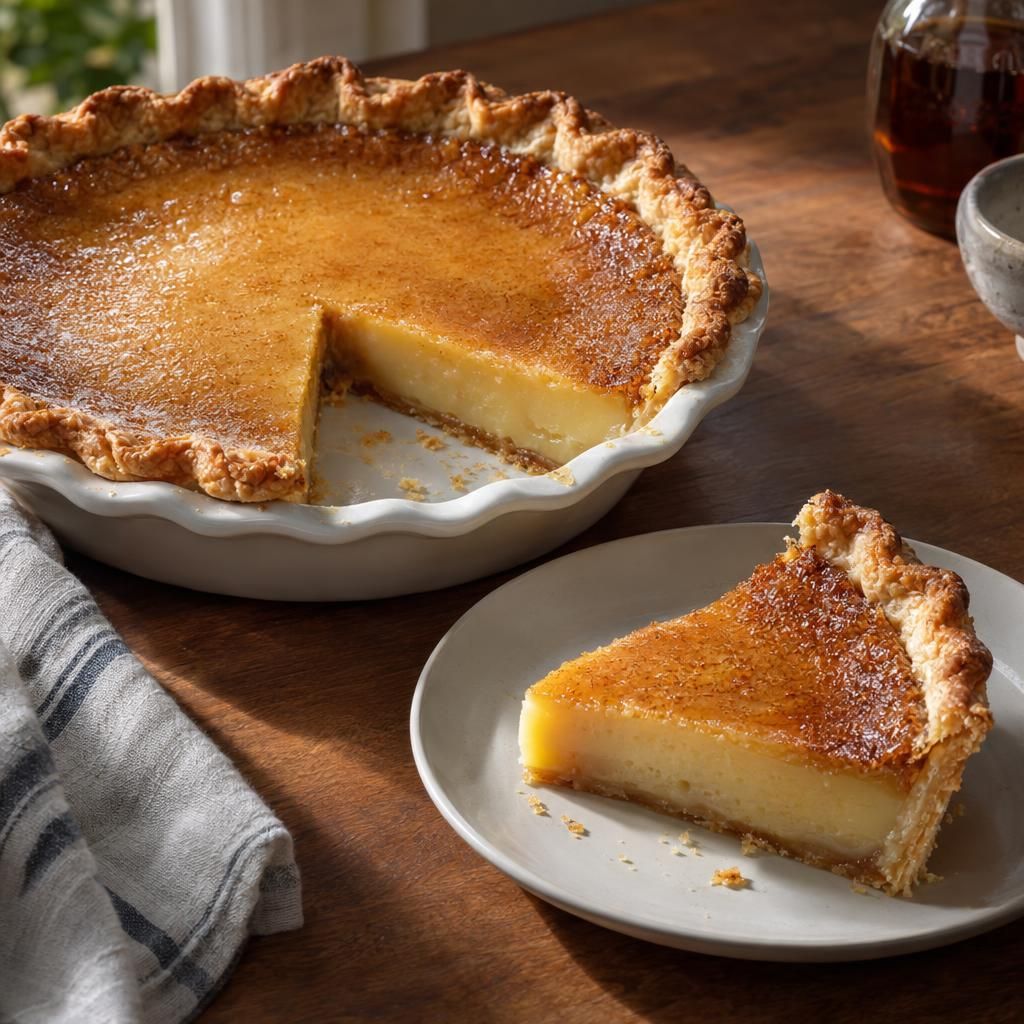
Silky maple custard baked gently in a flaky, blind-baked all-butter pastry crust. Pure dark maple syrup is the only sweetener, so maple stays the dominant flavor.

Kroger

$8.94

Per Serving

$1.12

Prep

45 min

Cook

80 min

Difficulty

hard

Ingredients and shopping

Servings

$44.97

11 to buy · 0 you have

20% used in this recipe$36.03 unused

Steps

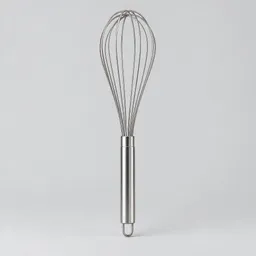
Centered stainless-steel balloon whisk on a light neutral background.Whisk
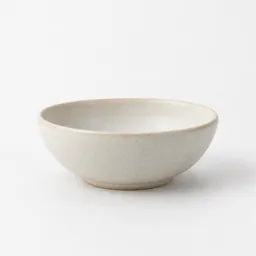
Small matte off-white ceramic bowl centered on a neutral light background.Small bowl
Large brushed stainless steel mixing bowl centered against a light neutral background.Large mixing bowl
Centered stainless-steel fork on a neutral light-gray background.Fork
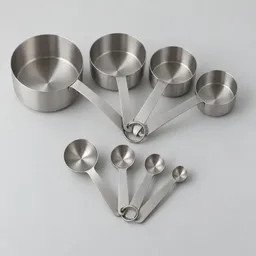
Centered studio photograph of a complete unbranded stainless-steel set of measuring cups and measuring spoons on a neutral light background.Measuring cups and spoons
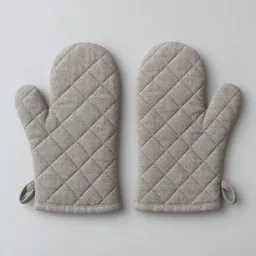
A centered pair of quilted gray oven mitts on a light neutral background.Oven mitts
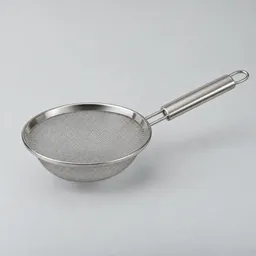
Centered stainless-steel fine-mesh sieve with a round bowl, tightly woven mesh, and straight handle on a light neutral background.Fine-mesh sieve
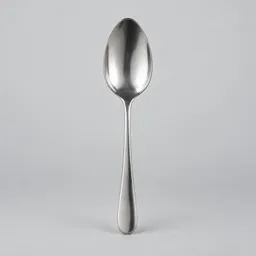
Centered stainless-steel spoon photographed against a neutral light-gray background.Spoon
Centered medium stainless-steel mixing bowl on a light neutral background.Medium mixing bowl
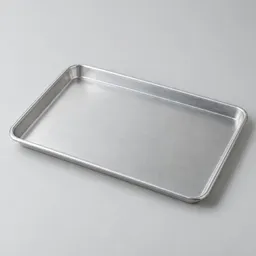
Centered rimmed baking sheet with a raised edge on a neutral light background.Rimmed baking sheet
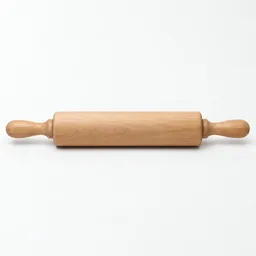
Centered wooden rolling pin on a light neutral background.Rolling pin
A single unbranded pastry brush with a pale wooden handle, metal ferrule, and soft bristles, centered on a light neutral background.Pastry brush
Centered pair of kitchen scissors with stainless-steel blades and dark ergonomic handles on a light neutral background.Kitchen scissors
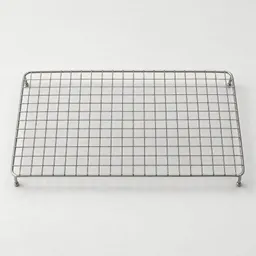
Centered rectangular metal wire cooling rack on a light neutral background, shown fully in frame with soft studio lighting.Wire cooling rack
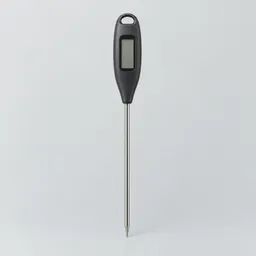
Unbranded instant-read food thermometer with a stainless-steel probe and dark handle, centered on a neutral light background.Instant-read food thermometer
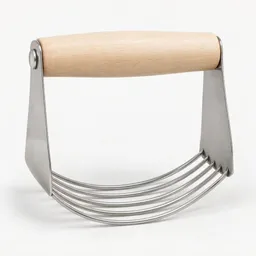
Centered pastry blender with curved stainless-steel blades and a smooth light-colored handle on a neutral light background.pastry blender
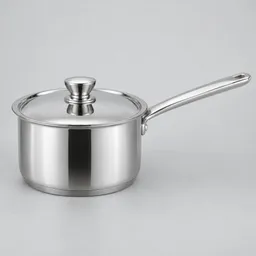
Centered 2-quart stainless-steel saucepan with a long handle and fitted lid on a neutral light background.2-quart saucepan
9-inch standard pie plate (not deep-dish)
Pie weights, about 2 pounds
Heatproof bowl for hot pie weights
4-cup heatproof liquid measuring cup
Thin sharp knife
1

Make the pastry

Centered stainless-steel balloon whisk on a light neutral background.Whisk
Large brushed stainless steel mixing bowl centered against a light neutral background.Large mixing bowl
Centered studio photograph of a complete unbranded stainless-steel set of measuring cups and measuring spoons on a neutral light background.Measuring cups and spoons
Centered pastry blender with curved stainless-steel blades and a smooth light-colored handle on a neutral light background.pastry blender

In the large mixing bowl, whisk 1 1/4 cups of the flour with 1/2 teaspoon of the salt. Add the cold butter cubes and cut them in with the pastry blender until the mixture looks like coarse crumbs with some pea-size pieces of butter remaining.

Do not taste raw pastry dough; raw flour can carry harmful bacteria. Wash hands, utensils, and work surfaces with hot, soapy water after contact with raw flour.

2

Hydrate and chill the dough

Large brushed stainless steel mixing bowl centered against a light neutral background.Large mixing bowl
Centered stainless-steel fork on a neutral light-gray background.Fork
Centered studio photograph of a complete unbranded stainless-steel set of measuring cups and measuring spoons on a neutral light background.Measuring cups and spoons

Sprinkle 3 tablespoons of the ice water over the flour mixture and toss with the fork until shaggy clumps form. Squeeze a handful; if it holds together, stop. If it crumbles, add the remaining 1 tablespoon ice water 1 teaspoon at a time, tossing after each addition, using only as much as needed. Gather the dough, press it into a 1-inch-thick disk, wrap it in the plastic wrap, and refrigerate for 1 hour. Wash your hands after handling the raw dough.

Do not taste raw pastry dough; wash hands after handling it.

3

Roll the pastry

Centered wooden rolling pin on a light neutral background.Rolling pin
A single unbranded pastry brush with a pale wooden handle, metal ferrule, and soft bristles, centered on a light neutral background.Pastry brush

Lightly dust a clean work surface and the rolling pin with some of the 1/4 cup dusting flour. Roll the dough from the center outward into a 13-inch round about 1/8 inch thick, giving it a quarter turn every few strokes. Add more of the dusting flour only if the dough sticks. If the dough cracks, let it stand for 5 minutes and continue. Brush off excess flour.

4

Shape and chill the crust

Centered wooden rolling pin on a light neutral background.Rolling pin
Centered pair of kitchen scissors with stainless-steel blades and dark ergonomic handles on a light neutral background.Kitchen scissors
9-inch standard pie plate (not deep-dish)

Roll the dough loosely around the pin and unroll it over the pie plate. Ease it into the corners without stretching. Trim the overhang with the scissors to about 3/4 inch, fold it under itself so it rests on the rim, and crimp. Refrigerate the shaped crust for 30 minutes, until firm. Meanwhile, set an oven rack in the lower third of the oven and heat the oven to 400°F. Clean the work surface.

Clean the work surface with hot, soapy water after handling dough made with raw flour.

5

Blind-bake the crust

A centered pair of quilted gray oven mitts on a light neutral background.Oven mitts
Centered rimmed baking sheet with a raised edge on a neutral light background.Rimmed baking sheet
9-inch standard pie plate (not deep-dish)
Pie weights, about 2 pounds
Heatproof bowl for hot pie weights

Crumple the parchment paper, flatten it, and press it into the chilled crust. Pour in the pie weights, banking them up against the sides. Set the pie plate on the room-temperature rimmed baking sheet and bake for 20 minutes, until the edge is set and pale golden. Lift out the parchment and weights by the corners and transfer them to the heatproof bowl. Bake the crust 8 to 10 minutes longer, until the bottom looks dry and light golden.

Lift the hot parchment and pie weights with oven mitts, and let the weights cool completely in the heatproof bowl.

If using a glass pie plate, set it on the room-temperature baking sheet, not a preheated one.

6

Seal the crust

Small matte off-white ceramic bowl centered on a neutral light background.Small bowl
Centered stainless-steel fork on a neutral light-gray background.Fork
A centered pair of quilted gray oven mitts on a light neutral background.Oven mitts
Centered medium stainless-steel mixing bowl on a light neutral background.Medium mixing bowl
Centered rimmed baking sheet with a raised edge on a neutral light background.Rimmed baking sheet
A single unbranded pastry brush with a pale wooden handle, metal ferrule, and soft bristles, centered on a light neutral background.Pastry brush

Separate 1 egg, putting the yolk in the medium mixing bowl and the white in the small bowl. Beat the white with the fork until loose. Brush a thin, even coat over the bottom and sides of the hot crust; you will use about half, so discard the rest. Bake for 2 minutes, until the coating is dry. Remove the crust on its baking sheet and reduce the oven temperature to 325°F. Wash your hands, the fork, and the pastry brush with hot, soapy water.

Use oven mitts to handle the hot crust and baking sheet.

Wash hands and utensils with hot, soapy water after contact with raw egg.

7

Warm the maple base

Centered studio photograph of a complete unbranded stainless-steel set of measuring cups and measuring spoons on a neutral light background.Measuring cups and spoons
Centered stainless-steel spoon photographed against a neutral light-gray background.Spoon
Centered 2-quart stainless-steel saucepan with a long handle and fitted lid on a neutral light background.2-quart saucepan

In the saucepan, combine the maple syrup, heavy cream, whole milk, and remaining 1/4 teaspoon salt. Heat over medium heat for 4 to 5 minutes, stirring often, until steaming with small bubbles around the edge. Do not let it boil.

Watch the maple and cream mixture closely; it can foam up and boil over quickly.

8

Temper and strain the custard

Centered stainless-steel balloon whisk on a light neutral background.Whisk
Centered studio photograph of a complete unbranded stainless-steel set of measuring cups and measuring spoons on a neutral light background.Measuring cups and spoons
Centered stainless-steel fine-mesh sieve with a round bowl, tightly woven mesh, and straight handle on a light neutral background.Fine-mesh sieve
Centered stainless-steel spoon photographed against a neutral light-gray background.Spoon
Centered medium stainless-steel mixing bowl on a light neutral background.Medium mixing bowl
4-cup heatproof liquid measuring cup

Add the 3 whole eggs to the yolk in the medium bowl and whisk gently until just blended, without making foam. Whisking constantly, pour the hot maple mixture into the eggs in a slow, steady stream. Stir in the vanilla. Strain the custard through the fine-mesh sieve into the liquid measuring cup and skim off any foam with the spoon. Wash your hands after handling the raw eggs.

Do not taste the unbaked custard; raw eggs can carry harmful bacteria. Wash hands after handling raw eggs.

9

Make the foil shield

Centered pair of kitchen scissors with stainless-steel blades and dark ergonomic handles on a light neutral background.Kitchen scissors

Fold the foil sheet into quarters and cut a quarter-circle with a 3 1/2-inch radius from the folded center corner. Unfold it into a ring with a 7-inch hole.

10

Fill the crust

A centered pair of quilted gray oven mitts on a light neutral background.Oven mitts
Centered rimmed baking sheet with a raised edge on a neutral light background.Rimmed baking sheet
9-inch standard pie plate (not deep-dish)

When the oven has cooled to 325°F, pull out the oven rack and set the baking sheet with the warm crust on it. Pour in the custard; it should come to just below the crimped edge. Lay the foil ring loosely over the crust edge, leaving the custard uncovered, and gently slide the rack back in.

Use oven mitts when handling the warm crust and baking sheet.

11

Bake the custard

A centered pair of quilted gray oven mitts on a light neutral background.Oven mitts
Centered rimmed baking sheet with a raised edge on a neutral light background.Rimmed baking sheet
Unbranded instant-read food thermometer with a stainless-steel probe and dark handle, centered on a neutral light background.Instant-read food thermometer

Bake for 35 to 45 minutes, checking first at 30 minutes. The pie is done when the outer 2 to 3 inches of custard are set and slightly puffed, and the center 3 inches still jiggle as one piece, like gelatin, when the baking sheet is nudged. The center should not ripple like liquid. The thermometer inserted in the center should read 170°F to 175°F, above the 160°F safe minimum for egg dishes. Do not bake beyond 180°F, as the custard will crack and weep.

Wash the thermometer probe with soap and water before and after checking; confirm the center reaches at least 160°F.

12

Cool the pie

A centered pair of quilted gray oven mitts on a light neutral background.Oven mitts
Centered rectangular metal wire cooling rack on a light neutral background, shown fully in frame with soft studio lighting.Wire cooling rack
9-inch standard pie plate (not deep-dish)

Remove the foil ring and move the pie to the wire rack. Cool for 1 1/2 to 2 hours, until barely warm, and no longer than 2 hours at room temperature. The custard finishes setting as it cools.

Refrigerate the pie within 2 hours of taking it from the oven, or within 1 hour if the room is above 90°F.

13

Chill, slice, and serve

Thin sharp knife

Refrigerate the pie, uncovered, for at least 3 hours, until cold and fully set. Cut into 8 equal wedges with the thin sharp knife, wiping the blade clean between cuts. Serve chilled.

Return leftovers to the refrigerator promptly after serving.

14

How did it turn out?

Rating and review tools are unavailable right now.

Recipe facts

Cuisine
american

Make a bundle with Maple Custard Pie

Add meals that share its groceries.