Cajun Shrimp Étouffée

Servings: 4 · Prep: 20 min · Cook: 40 min · Total: 60 min

Ingredients

  • about 4 1/2 cups (1 1/2 pounds) raw peeled, deveined, tail-off large shrimp
  • 1/4 cup unsalted butter
  • 1/4 cup all-purpose flour
  • 1 yellow onion
  • 2 celery ribs
  • 1 green bell pepper
  • 4 garlic cloves
  • 1 tablespoon Cajun seasoning
  • 2 cups low-sodium chicken broth
  • 1 1/2 cups long-grain white rice
  • 2 1/2 cups water
  • 3/4 teaspoon fine sea salt
  • 1/4 teaspoon cayenne pepper (optional)
  • 2 green onions (optional)
  • 1 leak-proof bag (optional)

Equipment

Cutting Board; Fork; Chef's knife; Measuring cups and spoons; Fine-mesh strainer; Large bowl; Clean kitchen towel; Ladle; 2-quart saucepan with tight-fitting lid; food thermometer; 5-quart Dutch oven with lid; Shallow storage containers with lids; Flat-edged wooden spoon; cutting board; fork; chef's knife; measuring cups and spoons; fine-mesh strainer; large bowl; clean kitchen towel; ladle; 5-quart dutch oven with lid

Steps

  1. Prepare the vegetables. Rinse the celery and green bell pepper under running water and dry them with the clean kitchen towel. Trim away any bruised or damaged spots. Peel the onion and garlic. Finely dice the onion, celery and bell pepper, and mince the garlic. Keep fresh or refrigerator-thawed shrimp in the refrigerator until needed. If using frozen shrimp, preferably thaw them overnight in the refrigerator; for the cold-water option, follow step 8 once the sauce is ready.
    • 1 onion — finely diced
    • 2 celery — finely diced
    • 1 bell pepper — seeded and finely diced
    • 4 (4 cloves) garlic — minced

    Keep fresh or refrigerator-thawed raw shrimp refrigerated until needed.

  2. Prepare the rice pot. Put the rice in the fine-mesh strainer and rinse under cold running water, swishing with your hand, until the water runs mostly clear, about 30 seconds. Drain well and tip the rice into the 2-quart saucepan. Add the 2 1/2 cups water and 1/2 teaspoon of the salt, and set the pan aside off the heat.
    • 1 1/2 cups white rice
    • 2 1/2 cups Water
    • 1/2 teaspoon salt
  3. Make the golden roux. Melt the butter in the Dutch oven over medium heat until foaming. Sprinkle in the flour and stir until smooth. Cook, stirring constantly and scraping the bottom and corners of the pot, for 6 to 8 minutes, until the roux is the color of peanut butter and smells nutty. If it darkens very quickly or begins to smoke, lower the heat to medium-low right away.
    • 1/4 cup butter
    • 1/4 cup all-purpose flour

    Stir steadily without splashing; hot roux can cause serious burns.

  4. Soften the vegetables. Immediately add the onion, celery and bell pepper to the roux; this slows the browning. Cook over medium heat, stirring every minute or so, for 6 to 8 minutes, until the vegetables are soft and the onion is translucent.
    • 1 onion — finely diced
    • 2 celery — finely diced
    • 1 bell pepper — seeded and finely diced

    Add the vegetables carefully to avoid splashes from the hot roux.

  5. Cook and rest the rice. While the vegetables cook, bring the rice to a boil over high heat. Stir once, cover with the lid, reduce the heat to low and cook for 15 minutes without lifting the lid. Remove the pan from the heat and let the rice stand, covered, for at least 10 minutes or until the étouffée is ready. If using the cold-water thawing option, keep the rice hot during thawing as directed in step 8.
  6. Bloom the garlic and seasoning. Add the garlic and Cajun seasoning to the vegetables and stir for 1 minute, until fragrant.
    • 4 (4 cloves) garlic — minced
    • 1 tablespoon cajun seasoning
  7. Simmer the sauce. Pour in the broth about 1/2 cup at a time, stirring until the sauce is smooth after each addition. Raise the heat to medium-high and bring the sauce to a simmer. Reduce the heat to medium-low and simmer uncovered for 15 minutes, stirring occasionally and scraping the bottom, until the sauce is thick enough to coat the back of the spoon.
    • 2 cups chicken broth

    Add the broth gradually and carefully to avoid splashes from the hot sauce.

  8. Quick-thaw shrimp if needed. If the shrimp are already thawed, continue to the next step. For cold-water thawing, keep the finished sauce covered at a very gentle simmer. Keep the cooked rice covered over the lowest heat that maintains 140°F or above, checking with the food thermometer. Put the frozen shrimp in a leak-proof bag in the large bowl and submerge the bag in cold water, changing the water every 30 minutes. Once thawed, cook the shrimp immediately in the next step.
    • about 4 1/2 cups (1 1/2 pounds) shrimp
    • 1 leak-proof bag (optional)

    For cold-water thawing, change the water every 30 minutes, keep the sauce and rice at 140°F or above, and cook the shrimp immediately once thawed.

  9. Cook the shrimp. If the shrimp are wet from thawing, drain them in the strainer. Stir the shrimp into the sauce and simmer gently for 3 to 5 minutes, stirring once or twice, until they are pink, curled into a loose C shape and opaque all the way through the thickest part. Remove the pot from the heat.
    • about 4 1/2 cups (1 1/2 pounds) shrimp

    Cook the shrimp until opaque throughout before serving.

  10. Adjust the salt. Taste the sauce. The Cajun seasoning already contains salt, so stir in the optional 1/4 teaspoon salt only if the sauce needs it.
    • 1/4 teaspoon salt
  11. Serve over rice. Fluff the rice with the fork and divide it among four shallow bowls. Ladle the étouffée evenly over the rice, dividing the shrimp equally, and serve right away.

Notes

Cajun seasoning blends vary widely in saltiness. That is why the recipe uses unsalted butter and low-sodium broth and leaves the last 1/4 teaspoon salt optional until you have tasted the finished sauce.

If the sauce still looks thin after 15 minutes of simmering, let it simmer a few minutes longer before adding the shrimp. The shrimp release a little liquid as they cook and should not be simmered past the point of doneness.

For storage, promptly divide leftover étouffée and rice into separate shallow, covered containers and refrigerate at 40°F or below within 2 hours, or within 1 hour if the ambient temperature exceeds 90°F. Keep refrigerated for no more than 3 to 4 days. ([ask.fsis.usda.gov](https://ask.fsis.usda.gov/article/How-do-I-handle-leftovers-safely?utm_source=openai))

Reheat the étouffée gently on the stove, stirring, until bubbling and steaming hot throughout and at least 165°F in several places. Reheat rice in a covered saucepan, stirring periodically, until it also reaches at least 165°F throughout. Check both foods with a food thermometer. Avoid prolonged heating after reaching this endpoint to limit toughening the shrimp; gentle heating does not replace the required reheating temperature. ([ask.fsis.usda.gov](https://ask.fsis.usda.gov/article/How-do-I-reheat-leftovers-safely?utm_source=openai))

Cooking safety

Keep fresh or refrigerator-thawed raw shrimp refrigerated until it goes into the pot. Thaw frozen shrimp overnight in the refrigerator whenever possible. For cold-water thawing, wait until the sauce is ready, submerge the shrimp in a leak-proof bag in cold water, change the water every 30 minutes, and cook immediately once thawed. Never thaw shrimp on the counter. ([ask.fsis.usda.gov](https://ask.fsis.usda.gov/article/How-do-you-thaw-food-safely?utm_source=openai))

During the optional cold-water thaw, keep the sauce and cooked rice hot at 140°F or above, checked with a food thermometer. ([ask.fsis.usda.gov](https://ask.fsis.usda.gov/article/At-what-temperature-should-I-hold-hot-foods?utm_source=openai))

Wash your hands, the strainer, and any surfaces and utensils that touched the raw shrimp or raw flour with soap and water before they touch other food; use hot, soapy water for utensils and surfaces. ([cdc.gov](https://www.cdc.gov/food-safety/prevention/index.html?utm_source=openai))

Cook the shrimp until the flesh is opaque throughout; do not serve them translucent. ([fda.gov](https://www.fda.gov/food/buy-store-serve-safe-food/safe-food-handling?sf214482469=1&utm_source=openai))

Hot roux can cause serious burns. Stir steadily without splashing, and add the vegetables and broth carefully.

Promptly divide leftover étouffée and rice into separate shallow containers, cover, and refrigerate at 40°F or below within 2 hours of cooking, or within 1 hour if the ambient temperature exceeds 90°F. Use refrigerated leftovers within 3 to 4 days. ([ask.fsis.usda.gov](https://ask.fsis.usda.gov/article/How-do-I-handle-leftovers-safely?utm_source=openai))

Reheat both the étouffée and rice to at least 165°F throughout, checking several places with a food thermometer. ([ask.fsis.usda.gov](https://ask.fsis.usda.gov/article/How-do-I-reheat-leftovers-safely?utm_source=openai))

https://plumtally.com/recipes/cajun-shrimp-etouffee-rg9hag5ncyyc
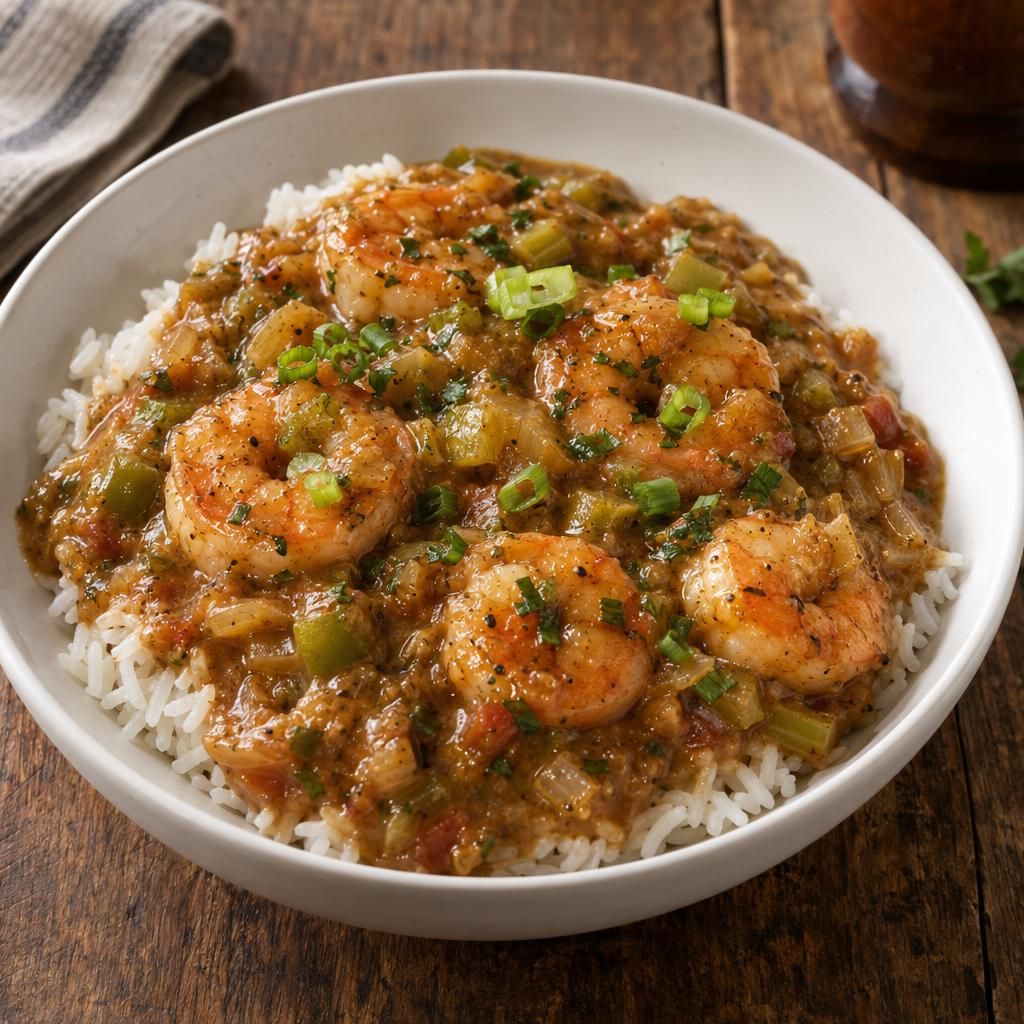
Tender shrimp simmered in a rich, golden-brown butter roux sauce with onion, celery, green bell pepper, garlic and Cajun seasoning. It is served over fluffy long-grain white rice.

Kroger

$25.99

Per Serving

$6.50

Prep

20 min

Cook

40 min

Difficulty

medium

Ingredients and shopping

Servings

$47.89

11 to buy · 3 you have

Optional

54% used in this recipe$21.90 unused

Steps

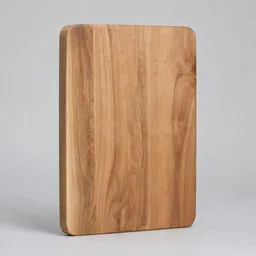
Centered rectangular wooden cutting board photographed against a plain light background.Cutting Board
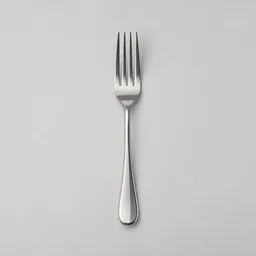
Centered stainless-steel fork on a neutral light-gray background.Fork
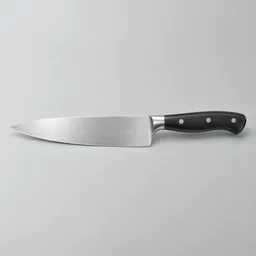
A single unbranded chef’s knife with a broad stainless-steel blade and dark handle, centered on a light neutral background.Chef's knife
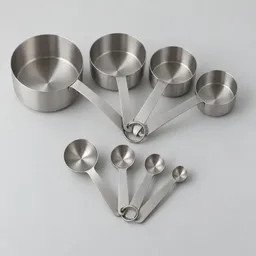
Centered studio photograph of a complete unbranded stainless-steel set of measuring cups and measuring spoons on a neutral light background.Measuring cups and spoons
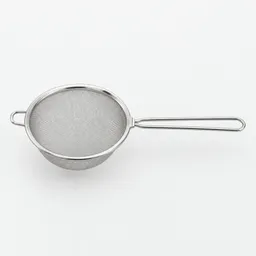
Centered fine-mesh stainless-steel strainer photographed against a neutral light background.Fine-mesh strainer
Centered large plain stainless-steel kitchen bowl on a light neutral background.Large bowl
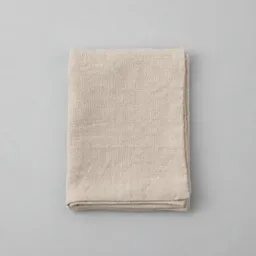
A neatly folded plain pale beige kitchen towel photographed alone on a light neutral background.Clean kitchen towel
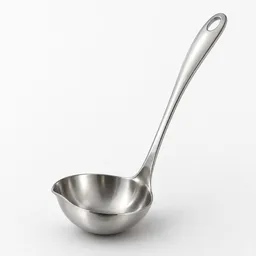
Centered stainless-steel ladle photographed against a neutral light background with soft studio lighting.Ladle
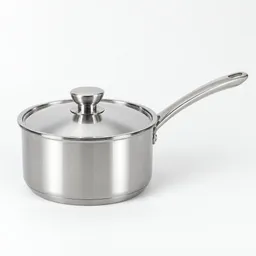
Centered 2-quart stainless-steel saucepan with a tight-fitting lid and long handle on a neutral light background.2-quart saucepan with tight-fitting lid
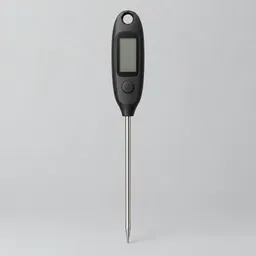
Centered unbranded instant-read food thermometer with a stainless-steel probe and dark handheld housing on a light neutral background.food thermometer
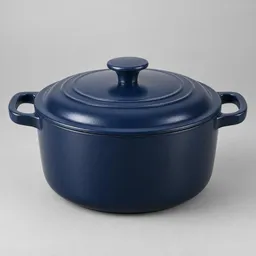
Centered studio photograph of a deep navy 5-quart Dutch oven with matching lid and side handles on a neutral light-gray background.5-quart Dutch oven with lid
Shallow storage containers with lids
Flat-edged wooden spoon
1

Prepare the vegetables

Centered rectangular wooden cutting board photographed against a plain light background.Cutting Board
A single unbranded chef’s knife with a broad stainless-steel blade and dark handle, centered on a light neutral background.Chef's knife
A neatly folded plain pale beige kitchen towel photographed alone on a light neutral background.Clean kitchen towel

Rinse the celery and green bell pepper under running water and dry them with the clean kitchen towel. Trim away any bruised or damaged spots. Peel the onion and garlic. Finely dice the onion, celery and bell pepper, and mince the garlic. Keep fresh or refrigerator-thawed shrimp in the refrigerator until needed. If using frozen shrimp, preferably thaw them overnight in the refrigerator; for the cold-water option, follow step 8 once the sauce is ready.

Keep fresh or refrigerator-thawed raw shrimp refrigerated until needed.

2

Prepare the rice pot

Centered studio photograph of a complete unbranded stainless-steel set of measuring cups and measuring spoons on a neutral light background.Measuring cups and spoons
Centered fine-mesh stainless-steel strainer photographed against a neutral light background.Fine-mesh strainer
Centered 2-quart stainless-steel saucepan with a tight-fitting lid and long handle on a neutral light background.2-quart saucepan with tight-fitting lid

Put the rice in the fine-mesh strainer and rinse under cold running water, swishing with your hand, until the water runs mostly clear, about 30 seconds. Drain well and tip the rice into the 2-quart saucepan. Add the 2 1/2 cups water and 1/2 teaspoon of the salt, and set the pan aside off the heat.

3

Make the golden roux

Centered studio photograph of a complete unbranded stainless-steel set of measuring cups and measuring spoons on a neutral light background.Measuring cups and spoons
Centered studio photograph of a deep navy 5-quart Dutch oven with matching lid and side handles on a neutral light-gray background.5-quart Dutch oven with lid
Flat-edged wooden spoon

Melt the butter in the Dutch oven over medium heat until foaming. Sprinkle in the flour and stir until smooth. Cook, stirring constantly and scraping the bottom and corners of the pot, for 6 to 8 minutes, until the roux is the color of peanut butter and smells nutty. If it darkens very quickly or begins to smoke, lower the heat to medium-low right away.

Stir steadily without splashing; hot roux can cause serious burns.

4

Soften the vegetables

Centered studio photograph of a deep navy 5-quart Dutch oven with matching lid and side handles on a neutral light-gray background.5-quart Dutch oven with lid
Flat-edged wooden spoon

Immediately add the onion, celery and bell pepper to the roux; this slows the browning. Cook over medium heat, stirring every minute or so, for 6 to 8 minutes, until the vegetables are soft and the onion is translucent.

Add the vegetables carefully to avoid splashes from the hot roux.

5

Cook and rest the rice

Centered 2-quart stainless-steel saucepan with a tight-fitting lid and long handle on a neutral light background.2-quart saucepan with tight-fitting lid

While the vegetables cook, bring the rice to a boil over high heat. Stir once, cover with the lid, reduce the heat to low and cook for 15 minutes without lifting the lid. Remove the pan from the heat and let the rice stand, covered, for at least 10 minutes or until the étouffée is ready. If using the cold-water thawing option, keep the rice hot during thawing as directed in step 8.

6

Bloom the garlic and seasoning

Centered studio photograph of a complete unbranded stainless-steel set of measuring cups and measuring spoons on a neutral light background.Measuring cups and spoons
Centered studio photograph of a deep navy 5-quart Dutch oven with matching lid and side handles on a neutral light-gray background.5-quart Dutch oven with lid
Flat-edged wooden spoon

Add the garlic and Cajun seasoning to the vegetables and stir for 1 minute, until fragrant.

7

Simmer the sauce

Centered studio photograph of a complete unbranded stainless-steel set of measuring cups and measuring spoons on a neutral light background.Measuring cups and spoons
Centered studio photograph of a deep navy 5-quart Dutch oven with matching lid and side handles on a neutral light-gray background.5-quart Dutch oven with lid
Flat-edged wooden spoon

Pour in the broth about 1/2 cup at a time, stirring until the sauce is smooth after each addition. Raise the heat to medium-high and bring the sauce to a simmer. Reduce the heat to medium-low and simmer uncovered for 15 minutes, stirring occasionally and scraping the bottom, until the sauce is thick enough to coat the back of the spoon.

Add the broth gradually and carefully to avoid splashes from the hot sauce.

8

Quick-thaw shrimp if needed

Centered large plain stainless-steel kitchen bowl on a light neutral background.Large bowl
Centered 2-quart stainless-steel saucepan with a tight-fitting lid and long handle on a neutral light background.2-quart saucepan with tight-fitting lid
Centered unbranded instant-read food thermometer with a stainless-steel probe and dark handheld housing on a light neutral background.food thermometer
Centered studio photograph of a deep navy 5-quart Dutch oven with matching lid and side handles on a neutral light-gray background.5-quart Dutch oven with lid

If the shrimp are already thawed, continue to the next step. For cold-water thawing, keep the finished sauce covered at a very gentle simmer. Keep the cooked rice covered over the lowest heat that maintains 140°F or above, checking with the food thermometer. Put the frozen shrimp in a leak-proof bag in the large bowl and submerge the bag in cold water, changing the water every 30 minutes. Once thawed, cook the shrimp immediately in the next step.

For cold-water thawing, change the water every 30 minutes, keep the sauce and rice at 140°F or above, and cook the shrimp immediately once thawed.

9

Cook the shrimp

Centered fine-mesh stainless-steel strainer photographed against a neutral light background.Fine-mesh strainer
Centered studio photograph of a deep navy 5-quart Dutch oven with matching lid and side handles on a neutral light-gray background.5-quart Dutch oven with lid
Flat-edged wooden spoon

If the shrimp are wet from thawing, drain them in the strainer. Stir the shrimp into the sauce and simmer gently for 3 to 5 minutes, stirring once or twice, until they are pink, curled into a loose C shape and opaque all the way through the thickest part. Remove the pot from the heat.

Cook the shrimp until opaque throughout before serving.

10

Adjust the salt

Centered studio photograph of a complete unbranded stainless-steel set of measuring cups and measuring spoons on a neutral light background.Measuring cups and spoons
Centered studio photograph of a deep navy 5-quart Dutch oven with matching lid and side handles on a neutral light-gray background.5-quart Dutch oven with lid
Flat-edged wooden spoon

Taste the sauce. The Cajun seasoning already contains salt, so stir in the optional 1/4 teaspoon salt only if the sauce needs it.

11

Serve over rice

Centered stainless-steel fork on a neutral light-gray background.Fork
Centered stainless-steel ladle photographed against a neutral light background with soft studio lighting.Ladle

Fluff the rice with the fork and divide it among four shallow bowls. Ladle the étouffée evenly over the rice, dividing the shrimp equally, and serve right away.

12

How did it turn out?

Rating and review tools are unavailable right now.

Recipe facts

Cuisine
american

Make a bundle with Cajun Shrimp Étouffée

Add meals that share its groceries.