Salmon and Dill Potato Cakes

Servings: 4 · Prep: 20 min · Cook: 45 min · Total: 85 min

Ingredients

  • 1 1/2 pounds Russet potatoes
  • about 3 cups (1 pound) Canned pink salmon
  • 3 tablespoons Fresh dill
  • 1 Lemon
  • 3 cups Frozen green peas
  • 1 cup Plain whole-milk yogurt
  • 1 Egg
  • 1/2 cup Plain fine breadcrumbs
  • 1/4 cup Canola oil
  • 1 1/2 teaspoons Fine salt
  • 1/4 teaspoon Ground black pepper
  • 10 cups Water

Equipment

Oven; Mixing Bowl; Measuring Cups; Measuring Spoons; Knife; Cutting Board; Colander; Small bowl; Fork; Instant-read thermometer; Rimmed baking sheet; Potato masher; Wire rack; Vegetable peeler; Fine grater; Shallow dish; Large plate; 4-quart saucepan; 12-inch nonstick skillet; produce brush; Wide turner; 2-quart saucepan; Wide mixing bowl; oven; mixing bowl; measuring cups; measuring spoons; knife; cutting board; colander; small bowl; fork; instant-read thermometer; rimmed baking sheet; potato masher; wire rack; vegetable peeler; fine grater; shallow dish; large plate; wide turner

Steps

  1. Prepare the produce. Wash your hands with soap and water. Scrub the potatoes and lemon under running water, rinse the dill, and dry everything. Remove any damaged areas. Peel the potatoes and cut them into 1-inch pieces. Finely chop the dill, grate 2 teaspoons of lemon zest without taking the bitter white pith, and squeeze 2 tablespoons of lemon juice.
    • 1 1/2 pounds potato
    • 3 tablespoons dill — finely chopped
    • 2 teaspoons lemon
    • 2 tablespoons lemon

    Use the knife carefully while trimming and cutting the potatoes.

  2. Cook and dry the potatoes. Place the potatoes in the 4-quart saucepan with 8 cups water and 1/2 teaspoon salt. Bring to a boil, then reduce the heat and simmer for 12–15 minutes, until the potatoes break apart easily when pierced with a fork. Drain thoroughly. Return them to the saucepan over low heat for 1–2 minutes, shaking gently, until excess moisture evaporates.
    • 1 1/2 pounds potato
    • 8 cups Water
    • 1/2 teaspoon salt

    Use care when draining the boiling water and handling the hot saucepan.

  3. Cool the mash and flake the salmon. Mash the potatoes until smooth without adding liquid. Transfer to a wide mixing bowl, spread the mash out, and let it cool for about 10 minutes, until no longer hot. Meanwhile, drain the salmon thoroughly, remove any visible skin and bones, and separate the fish into large flakes.
    • about 3 cups (1 pound) salmon
  4. Make the lemon-yogurt sauce. Stir together the yogurt, 2 tablespoons lemon juice, 1 tablespoon dill, and 1/4 teaspoon salt in a small bowl. Refrigerate the sauce until serving.
    • 1 cup yogurt
    • 2 tablespoons lemon
    • 1 tablespoon dill — finely chopped
    • 1/4 teaspoon salt

    Keep the yogurt sauce refrigerated until serving.

  5. Mix the cakes. Beat the egg with a fork in a separate bowl. Stir it into the cooled potatoes with the remaining 2 tablespoons dill, 2 teaspoons lemon zest, 1/2 teaspoon salt, and the black pepper. Gently fold in the salmon, keeping visible flakes rather than breaking it into a paste.
    • 1 egg
    • 2 tablespoons dill — finely chopped
    • 2 teaspoons lemon
    • 1/2 teaspoon salt
    • 1/4 teaspoon Ground Black Pepper
    • about 3 cups (1 pound) salmon

    Do not taste the uncooked cake mixture after adding the egg. Wash hands, utensils, and work surfaces after handling it.

  6. Shape and chill the cakes. Divide the mixture into 8 equal portions. Shape each into a cake approximately 3 1/2 inches across and 3/4 inch thick, pressing any cracks closed. Arrange on the large plate and refrigerate for 15 minutes to firm up.
  7. Warm the oven and coat the cakes. Heat the oven to 200°F and set the wire rack on the baking sheet. Spread the breadcrumbs in the shallow dish. Gently press each chilled cake into the crumbs on both sides and around the edges, then shake off loose crumbs. Keep the coating thin; discard any crumbs left in the dish.
    • 1/2 cup breadcrumbs

    Use care around the hot oven and baking sheet.

  8. Pan-fry the cakes. Heat 2 tablespoons oil in the skillet over medium heat until shimmering. Add 4 cakes, leaving space between them. Cook undisturbed for 4–6 minutes per side, turning carefully with the wide turner, until golden and the centers reach 160°F on an instant-read thermometer. Reduce the heat if the coating browns before the centers are hot. Transfer to the rack and keep warm in the oven while frying the remaining 4 cakes in the remaining 2 tablespoons oil.
    • 1/4 cup canola oil

    Take care around hot oil. Clean the thermometer probe before and after checking the cakes, and insert it horizontally into a cake's center.

  9. Cook the peas. While the second batch cooks, bring the remaining 2 cups water and 1/4 teaspoon salt to a boil in the smaller saucepan. Add the frozen peas, return to a simmer, and cook for 3–5 minutes, until tender and hot throughout. Drain well.
    • 2 cups Water
    • 1/4 teaspoon salt
    • 3 cups green peas

    Use care when handling and draining the boiling water.

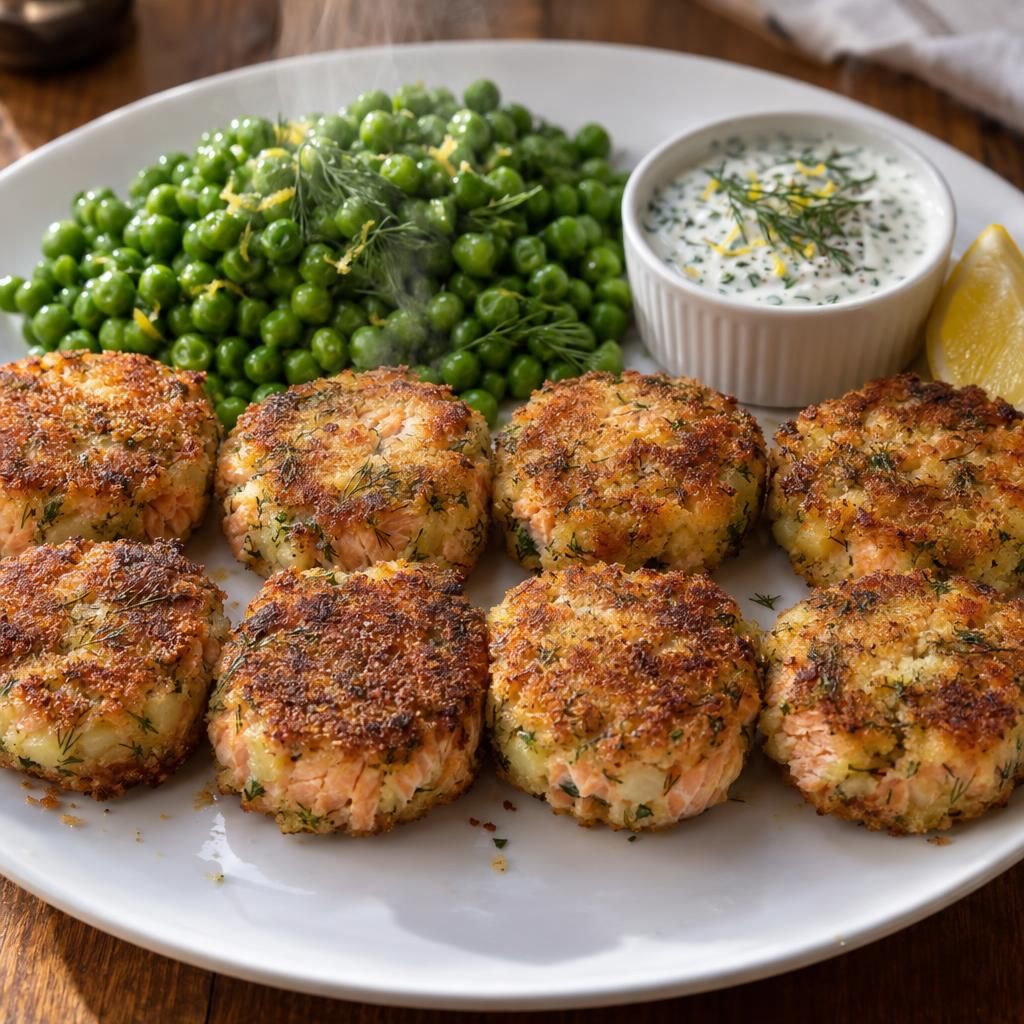
  10. Serve the cakes and sides. Serve 2 cakes per person. Divide all the peas and lemon-yogurt sauce evenly among the four servings, serving the sauce alongside rather than over the crisp cakes.

    Keep the yogurt sauce refrigerated until serving. Refrigerate leftovers within 2 hours, or within 1 hour when the surrounding temperature exceeds 90°F.

Notes

Thorough draining, brief steam-drying, and cooling give the potatoes enough body to hold the cakes together. Mash by hand; a food processor can make potatoes gluey.

Store leftover cakes, peas, and sauce separately in covered containers at 40°F or below for up to 3–4 days. Reheat the cakes on a baking sheet in a 350°F oven until their centers reach 165°F; serve the sauce cold.

Cooking safety

Do not taste the uncooked cake mixture after adding the egg. Wash your hands, utensils, and work surfaces after handling it.

Clean the thermometer probe before and after checking the cakes. Insert it horizontally into the center of a cake for an accurate reading.

Keep the yogurt sauce refrigerated until serving. Refrigerate leftovers within 2 hours, reduced to 1 hour when the surrounding temperature exceeds 90°F.

https://plumtally.com/recipes/salmon-and-dill-potato-cakes-rxr41vbbosyq
Salmon and Dill Potato Cakes

Salmon and Dill Potato Cakes

Lightly crumbed salmon and russet potato cakes with fresh dill and lemon zest, pan-fried until crisp and golden. Serve with green peas and a tangy lemon-yogurt sauce.

Kroger

$16.43

Per Serving

$4.11

Prep

20 min

Cook

45 min

Difficulty

medium

Ingredients and shopping

Servings

$33.90

10 to buy · 1 you have

48% used in this recipe$17.47 unused

Steps

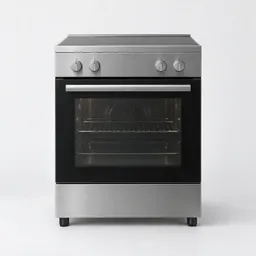
Centered freestanding kitchen oven photographed against a neutral light background.Oven
Centered stainless steel mixing bowl on a neutral light background.Mixing Bowl
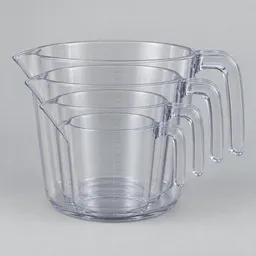
Centered nested set of four clear measuring cups with handles on a neutral light background.Measuring Cups
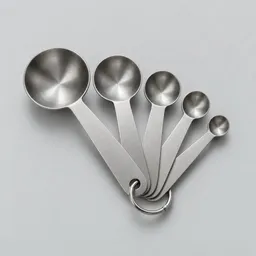
Centered studio photograph of a set of stainless steel measuring spoons on a pale neutral background.Measuring Spoons
Centered studio photograph of a complete kitchen knife with a steel blade and dark handle on a light neutral background.Knife
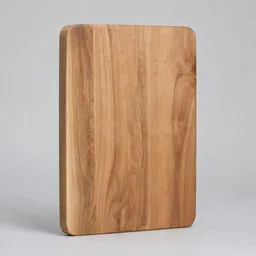
Centered rectangular wooden cutting board photographed against a plain light background.Cutting Board
Centered stainless-steel kitchen colander on a light neutral background.Colander
Small matte off-white ceramic bowl centered on a neutral light background.Small bowl
Centered stainless-steel fork on a neutral light-gray background.Fork
Centered unbranded instant-read thermometer with a dark digital body and stainless-steel probe on a light neutral background.Instant-read thermometer
Centered rimmed baking sheet with a raised edge on a neutral light background.Rimmed baking sheet
Centered stainless-steel potato masher photographed against a plain light neutral background.Potato masher
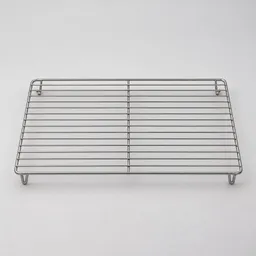
Centered stainless-steel wire cooling rack photographed on a neutral light background.Wire rack
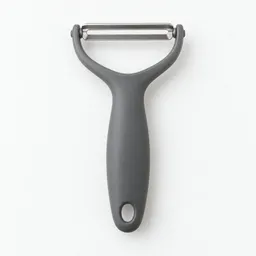
Centered studio photograph of a single vegetable peeler on a neutral light background.Vegetable peeler
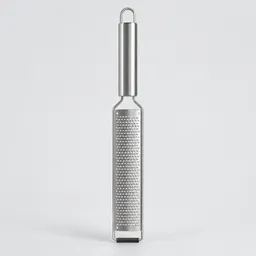
Centered stainless-steel fine grater on a light neutral studio background.Fine grater
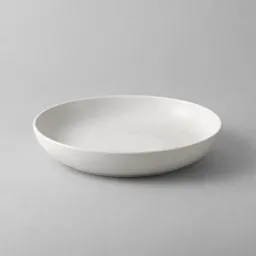
A single shallow white ceramic dish centered on a light neutral background.Shallow dish
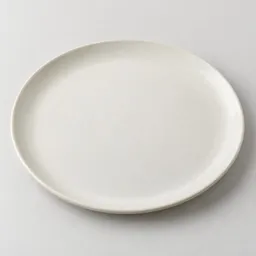
Centered large off-white ceramic dinner plate photographed against a neutral light background.Large plate
Centered 4-quart stainless-steel saucepan on a plain light-gray studio background.4-quart saucepan
Centered 12-inch black nonstick skillet photographed on a neutral light background.12-inch nonstick skillet
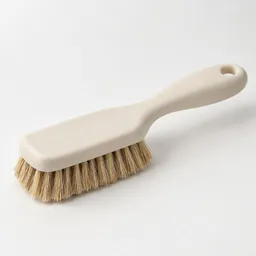
A single unbranded produce brush with a light handle and dense bristles, centered on a neutral light background.produce brush
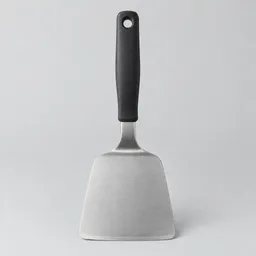
Centered wide stainless-steel kitchen turner with a broad rounded blade and dark handle on a light neutral background.Wide turner
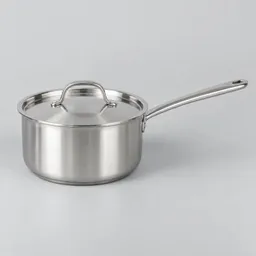
Centered 2-quart stainless-steel saucepan with a long handle and fitted lid on a neutral light background.2-quart saucepan
Wide mixing bowl
1

Prepare the produce

Centered studio photograph of a set of stainless steel measuring spoons on a pale neutral background.Measuring Spoons
Centered studio photograph of a complete kitchen knife with a steel blade and dark handle on a light neutral background.Knife
Centered rectangular wooden cutting board photographed against a plain light background.Cutting Board
Centered studio photograph of a single vegetable peeler on a neutral light background.Vegetable peeler
Centered stainless-steel fine grater on a light neutral studio background.Fine grater
A single unbranded produce brush with a light handle and dense bristles, centered on a neutral light background.produce brush

Wash your hands with soap and water. Scrub the potatoes and lemon under running water, rinse the dill, and dry everything. Remove any damaged areas. Peel the potatoes and cut them into 1-inch pieces. Finely chop the dill, grate 2 teaspoons of lemon zest without taking the bitter white pith, and squeeze 2 tablespoons of lemon juice.

Use the knife carefully while trimming and cutting the potatoes.

2

Cook and dry the potatoes

Centered nested set of four clear measuring cups with handles on a neutral light background.Measuring Cups
Centered studio photograph of a set of stainless steel measuring spoons on a pale neutral background.Measuring Spoons
Centered stainless-steel kitchen colander on a light neutral background.Colander
Centered stainless-steel fork on a neutral light-gray background.Fork
Centered 4-quart stainless-steel saucepan on a plain light-gray studio background.4-quart saucepan

Place the potatoes in the 4-quart saucepan with 8 cups water and 1/2 teaspoon salt. Bring to a boil, then reduce the heat and simmer for 12–15 minutes, until the potatoes break apart easily when pierced with a fork. Drain thoroughly. Return them to the saucepan over low heat for 1–2 minutes, shaking gently, until excess moisture evaporates.

Use care when draining the boiling water and handling the hot saucepan.

3

Cool the mash and flake the salmon

Centered stainless-steel kitchen colander on a light neutral background.Colander
Centered stainless-steel fork on a neutral light-gray background.Fork
Centered stainless-steel potato masher photographed against a plain light neutral background.Potato masher
Wide mixing bowl

Mash the potatoes until smooth without adding liquid. Transfer to a wide mixing bowl, spread the mash out, and let it cool for about 10 minutes, until no longer hot. Meanwhile, drain the salmon thoroughly, remove any visible skin and bones, and separate the fish into large flakes.

4

Make the lemon-yogurt sauce

Centered nested set of four clear measuring cups with handles on a neutral light background.Measuring Cups
Centered studio photograph of a set of stainless steel measuring spoons on a pale neutral background.Measuring Spoons
Small matte off-white ceramic bowl centered on a neutral light background.Small bowl

Stir together the yogurt, 2 tablespoons lemon juice, 1 tablespoon dill, and 1/4 teaspoon salt in a small bowl. Refrigerate the sauce until serving.

Keep the yogurt sauce refrigerated until serving.

5

Mix the cakes

Centered stainless steel mixing bowl on a neutral light background.Mixing Bowl
Centered studio photograph of a set of stainless steel measuring spoons on a pale neutral background.Measuring Spoons
Centered stainless-steel fork on a neutral light-gray background.Fork
Wide mixing bowl

Beat the egg with a fork in a separate bowl. Stir it into the cooled potatoes with the remaining 2 tablespoons dill, 2 teaspoons lemon zest, 1/2 teaspoon salt, and the black pepper. Gently fold in the salmon, keeping visible flakes rather than breaking it into a paste.

Do not taste the uncooked cake mixture after adding the egg. Wash hands, utensils, and work surfaces after handling it.

6

Shape and chill the cakes

Centered large off-white ceramic dinner plate photographed against a neutral light background.Large plate

Divide the mixture into 8 equal portions. Shape each into a cake approximately 3 1/2 inches across and 3/4 inch thick, pressing any cracks closed. Arrange on the large plate and refrigerate for 15 minutes to firm up.

7

Warm the oven and coat the cakes

Centered freestanding kitchen oven photographed against a neutral light background.Oven
Centered rimmed baking sheet with a raised edge on a neutral light background.Rimmed baking sheet
Centered stainless-steel wire cooling rack photographed on a neutral light background.Wire rack
A single shallow white ceramic dish centered on a light neutral background.Shallow dish

Heat the oven to 200°F and set the wire rack on the baking sheet. Spread the breadcrumbs in the shallow dish. Gently press each chilled cake into the crumbs on both sides and around the edges, then shake off loose crumbs. Keep the coating thin; discard any crumbs left in the dish.

Use care around the hot oven and baking sheet.

8

Pan-fry the cakes

Centered freestanding kitchen oven photographed against a neutral light background.Oven
Centered studio photograph of a set of stainless steel measuring spoons on a pale neutral background.Measuring Spoons
Centered unbranded instant-read thermometer with a dark digital body and stainless-steel probe on a light neutral background.Instant-read thermometer
Centered rimmed baking sheet with a raised edge on a neutral light background.Rimmed baking sheet
Centered stainless-steel wire cooling rack photographed on a neutral light background.Wire rack
Centered 12-inch black nonstick skillet photographed on a neutral light background.12-inch nonstick skillet
Centered wide stainless-steel kitchen turner with a broad rounded blade and dark handle on a light neutral background.Wide turner

Heat 2 tablespoons oil in the skillet over medium heat until shimmering. Add 4 cakes, leaving space between them. Cook undisturbed for 4–6 minutes per side, turning carefully with the wide turner, until golden and the centers reach 160°F on an instant-read thermometer. Reduce the heat if the coating browns before the centers are hot. Transfer to the rack and keep warm in the oven while frying the remaining 4 cakes in the remaining 2 tablespoons oil.

Take care around hot oil. Clean the thermometer probe before and after checking the cakes, and insert it horizontally into a cake's center.

9

Cook the peas

Centered nested set of four clear measuring cups with handles on a neutral light background.Measuring Cups
Centered studio photograph of a set of stainless steel measuring spoons on a pale neutral background.Measuring Spoons
Centered stainless-steel kitchen colander on a light neutral background.Colander
Centered 2-quart stainless-steel saucepan with a long handle and fitted lid on a neutral light background.2-quart saucepan

While the second batch cooks, bring the remaining 2 cups water and 1/4 teaspoon salt to a boil in the smaller saucepan. Add the frozen peas, return to a simmer, and cook for 3–5 minutes, until tender and hot throughout. Drain well.

Use care when handling and draining the boiling water.

10

Serve the cakes and sides

Serve 2 cakes per person. Divide all the peas and lemon-yogurt sauce evenly among the four servings, serving the sauce alongside rather than over the crisp cakes.

Keep the yogurt sauce refrigerated until serving. Refrigerate leftovers within 2 hours, or within 1 hour when the surrounding temperature exceeds 90°F.

11

How did it turn out?

Rating and review tools are unavailable right now.

Recipe facts

Cuisine
American-inspired

Make a bundle with Salmon and Dill Potato Cakes

Add meals that share its groceries.