Slow-Braised Pork Ragu Pappardelle

Servings: 4 · Prep: 25 min · Cook: 210 min · Total: 235 min

Ingredients

  • 1 1/2 pounds Boneless pork shoulder
  • 12 ounces Dried pappardelle pasta
  • 1 Yellow onion
  • 1 Carrot
  • 1 stalk Celery
  • 4 cloves Garlic
  • 3 cups No-salt-added crushed tomatoes
  • 2 teaspoons Fresh rosemary
  • 1/4 cup Dry red wine
  • 2 tablespoons Olive oil
  • 1 1/2 tablespoons Fine salt
  • 14 cups Water

Equipment

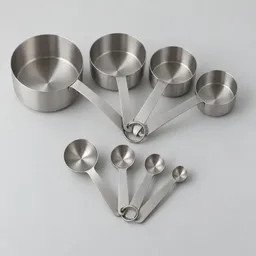
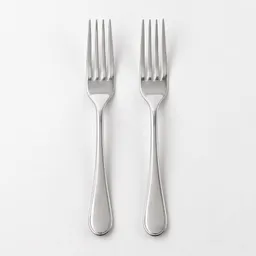
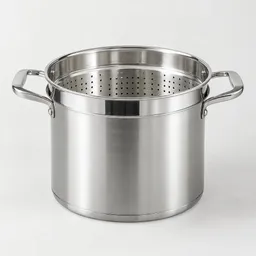
Colander; Tongs; Instant-read thermometer; Measuring cups and spoons; Wooden spoon; Large plate; Knife and cutting board; Two forks; 6-quart pasta pot; 5-quart heavy pot with a tight-fitting lid; colander; tongs; instant-read thermometer; measuring cups and spoons; wooden spoon; large plate; knife and cutting board; two forks

Steps

  1. Prepare the ingredients safely. Wash your hands with soap and water for at least 20 seconds. Rinse the vegetables and rosemary under running water, remove damaged areas, and dry before preparing them as listed. Cut the pork into roughly 3-inch chunks and pat dry with paper towels. Wash your hands and clean the knife, board, and work surface after handling the raw pork.
    • 1 1/2 pounds pork shoulder — trimmed of thick exterior fat
    • 1 onion — finely diced
    • 1 carrot — finely diced
    • 1 stalk (1) celery — finely diced
    • 4 cloves (4) garlic — minced
    • 2 teaspoons rosemary — finely chopped

    Do not rinse raw pork. Keep it separate from the prepared vegetables, and clean hands, utensils, and surfaces after handling it.

  2. Brown the pork. Season the pork with its allocated 1 teaspoon salt. Heat the olive oil in the heavy pot over medium-high heat. Brown the pork in two batches, allowing 6–8 minutes per batch and turning to color several sides. Transfer to the plate; the centers will still be raw.
    • 1 1/2 pounds pork shoulder — trimmed of thick exterior fat
    • 1 teaspoon salt
    • 2 tablespoons olive oil

    Lower the pork carefully into the hot pot to reduce oil splatter.

  3. Soften the vegetables. Reduce the heat to medium. Add the onion, carrot, celery, and their allocated 1/2 teaspoon salt. Cook for 8–10 minutes, stirring frequently, until softened and lightly golden. Add the garlic and rosemary and cook for 30 seconds, stirring.
    • 1 onion — finely diced
    • 1 carrot — finely diced
    • 1 stalk (1) celery — finely diced
    • 1/2 teaspoon salt
    • 4 cloves (4) garlic — minced
    • 2 teaspoons rosemary — finely chopped
  4. Deglaze and build the sauce. Pour in the red wine and scrape up the browned bits with the wooden spoon. Simmer for 2–3 minutes, until the wine has mostly evaporated. Stir in the crushed tomatoes and 1 1/2 cups braising water. Return the pork and its accumulated juices to the pot.
    • 1/4 cup red wine
    • 3 cups crushed tomatoes
    • 1 1/2 cups Water
  5. Braise at a gentle simmer. Bring just to a simmer, then cover and reduce the heat to low. Braise at a gentle simmer for approximately 2 1/2–3 1/2 hours. The liquid should show occasional small bubbles, not a rolling boil. Turn the pork and stir along the bottom every 40–45 minutes. If the sauce becomes thick enough to catch before the meat is tender, add the reserved 1/2 cup water in 2-tablespoon increments.
  6. Check pork tenderness. Begin checking tenderness after 2 1/2 hours. The pork is ready when a fork slides in easily and the meat pulls apart with almost no resistance. Confirm that the thickest piece has exceeded 145°F, but do not stop cooking at that temperature alone: shoulder needs the longer braise to become shreddable.

    Check the thickest piece with a thermometer; it must exceed 145°F, and the pork still needs to braise until fork-tender.

  7. Rest the pork and reduce the sauce. Wash the plate before using it again. Transfer the tender pork to the clean plate and let it rest while you finish the sauce. Simmer the sauce uncovered over medium-low heat for 15–25 minutes, stirring frequently, until thick but still spoonable. A spoon drawn across the bottom should leave a brief trail that slowly fills in.
  8. Cook the pappardelle. Meanwhile, bring the 12 cups pasta water to a boil in the pasta pot. Add the remaining 1 tablespoon salt. Cook the pappardelle until just shy of al dente, following its cooking-time guidance and stirring gently to separate the ribbons. Reserve 1 cup of the cooking water before draining.
    • 12 cups Water
    • 1 tablespoon salt
    • 12 ounces pappardelle pasta

    Use care around boiling water and steam when handling the pot and draining the pasta.

  9. Shred the pork into the ragu. Using two forks, shred the rested pork into bite-size strands, discarding any large pieces of unrendered fat. Stir the pork and its juices into the reduced sauce. Keep over low heat just until hot; avoid prolonged uncovered simmering after shredding.

    Take care when handling the hot pot while shredding and stirring.

  10. Toss and serve. Add the drained pappardelle to the ragu and gently toss over low heat for 1–2 minutes. Add reserved pasta water in 2-tablespoon increments until the sauce coats the ribbons without becoming soupy; you may not need all of it. Divide the complete dish evenly among four portions and serve immediately.

Notes

4 servings, each a generous main-course portion with one-quarter of the pasta and pork ragu.

The finished sauce should cling to the pasta while leaving the pork moist. Reduce the sauce before returning the shredded meat, then use the reserved pasta water for the final adjustment.

For make-ahead cooking, prepare the ragu through shredding and returning the pork to the sauce. Cool promptly and refrigerate separately from the uncooked pasta. Before tossing with freshly cooked pasta, reheat the refrigerated ragu in the heavy pot on the stovetop, stirring frequently. Bring the sauce to a boil and verify with the instant-read thermometer that it reaches at least 165°F throughout, checking several places. Cook and toss the pasta just before serving.

Store cooked leftovers at 40°F or below for 3–4 days.

To reheat finished pasta-and-ragu leftovers, place them in the heavy pot, cover, and warm over medium-low heat, stirring gently and frequently, until they reach at least 165°F throughout. Verify the temperature in several places with the instant-read thermometer and serve immediately.

Cooking safety

Do not rinse raw pork. Keep it separate from the prepared vegetables, and wash utensils and surfaces that contact it.

Whole-cut pork must reach at least 145°F and rest for at least 3 minutes before eating. The longer cooking and resting steps here are also necessary for tenderness.

Refrigerate leftovers in shallow, covered containers within 2 hours of cooking, or within 1 hour when the surrounding temperature exceeds 90°F.

https://plumtally.com/recipes/slow-braised-pork-ragu-pappardelle-rh5xlv2qcduw
Slow-Braised Pork Ragu Pappardelle

Slow-Braised Pork Ragu Pappardelle

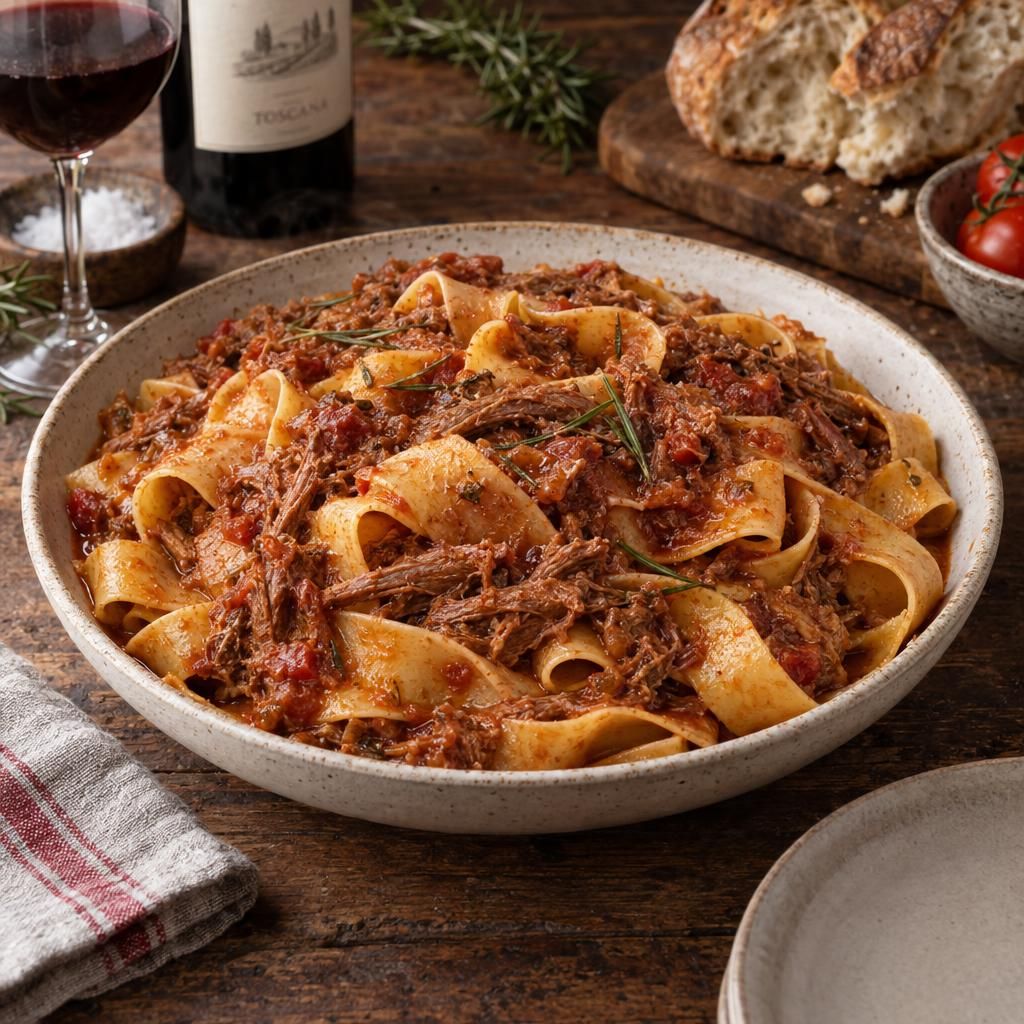
Tender shredded pork shoulder in a rich tomato and rosemary sauce with a subtle splash of red wine, tossed with wide pappardelle noodles.

Kroger

$19.24

Per Serving

$4.81

Prep

25 min

Cook

210 min

Difficulty

hard

Ingredients and shopping

Servings

$80.77

11 to buy · 0 you have

24% used in this recipe$61.53 unused

Steps

Centered stainless-steel kitchen colander on a light neutral background.Colander
Centered pair of stainless-steel kitchen tongs on a light neutral background.Tongs
Centered unbranded instant-read thermometer with a dark digital body and stainless-steel probe on a light neutral background.Instant-read thermometer
Centered studio photograph of a complete unbranded stainless-steel set of measuring cups and measuring spoons on a neutral light background.Measuring cups and spoons
A single natural wooden spoon centered on a light neutral background.Wooden spoon
Centered large off-white ceramic dinner plate photographed against a neutral light background.Large plate
Centered studio photograph of a stainless-steel chef’s knife resting diagonally on a rectangular wooden cutting board against a light neutral background.Knife and cutting board
Two stainless-steel dinner forks centered on a neutral light background.Two forks
Centered studio photograph of a stainless-steel 6-quart pasta pot with side handles and a perforated insert on a light neutral background.6-quart pasta pot
5-quart heavy pot with a tight-fitting lid
1

Prepare the ingredients safely

Centered studio photograph of a stainless-steel chef’s knife resting diagonally on a rectangular wooden cutting board against a light neutral background.Knife and cutting board

Wash your hands with soap and water for at least 20 seconds. Rinse the vegetables and rosemary under running water, remove damaged areas, and dry before preparing them as listed. Cut the pork into roughly 3-inch chunks and pat dry with paper towels. Wash your hands and clean the knife, board, and work surface after handling the raw pork.

Do not rinse raw pork. Keep it separate from the prepared vegetables, and clean hands, utensils, and surfaces after handling it.

2

Brown the pork

Centered pair of stainless-steel kitchen tongs on a light neutral background.Tongs
Centered studio photograph of a complete unbranded stainless-steel set of measuring cups and measuring spoons on a neutral light background.Measuring cups and spoons
Centered large off-white ceramic dinner plate photographed against a neutral light background.Large plate
5-quart heavy pot with a tight-fitting lid

Season the pork with its allocated 1 teaspoon salt. Heat the olive oil in the heavy pot over medium-high heat. Brown the pork in two batches, allowing 6–8 minutes per batch and turning to color several sides. Transfer to the plate; the centers will still be raw.

Lower the pork carefully into the hot pot to reduce oil splatter.

3

Soften the vegetables

Centered studio photograph of a complete unbranded stainless-steel set of measuring cups and measuring spoons on a neutral light background.Measuring cups and spoons
A single natural wooden spoon centered on a light neutral background.Wooden spoon
5-quart heavy pot with a tight-fitting lid

Reduce the heat to medium. Add the onion, carrot, celery, and their allocated 1/2 teaspoon salt. Cook for 8–10 minutes, stirring frequently, until softened and lightly golden. Add the garlic and rosemary and cook for 30 seconds, stirring.

4

Deglaze and build the sauce

Centered studio photograph of a complete unbranded stainless-steel set of measuring cups and measuring spoons on a neutral light background.Measuring cups and spoons
A single natural wooden spoon centered on a light neutral background.Wooden spoon
5-quart heavy pot with a tight-fitting lid

Pour in the red wine and scrape up the browned bits with the wooden spoon. Simmer for 2–3 minutes, until the wine has mostly evaporated. Stir in the crushed tomatoes and 1 1/2 cups braising water. Return the pork and its accumulated juices to the pot.

5

Braise at a gentle simmer

Centered studio photograph of a complete unbranded stainless-steel set of measuring cups and measuring spoons on a neutral light background.Measuring cups and spoons
A single natural wooden spoon centered on a light neutral background.Wooden spoon
5-quart heavy pot with a tight-fitting lid

Bring just to a simmer, then cover and reduce the heat to low. Braise at a gentle simmer for approximately 2 1/2–3 1/2 hours. The liquid should show occasional small bubbles, not a rolling boil. Turn the pork and stir along the bottom every 40–45 minutes. If the sauce becomes thick enough to catch before the meat is tender, add the reserved 1/2 cup water in 2-tablespoon increments.

6

Check pork tenderness

Centered unbranded instant-read thermometer with a dark digital body and stainless-steel probe on a light neutral background.Instant-read thermometer
Two stainless-steel dinner forks centered on a neutral light background.Two forks
5-quart heavy pot with a tight-fitting lid

Begin checking tenderness after 2 1/2 hours. The pork is ready when a fork slides in easily and the meat pulls apart with almost no resistance. Confirm that the thickest piece has exceeded 145°F, but do not stop cooking at that temperature alone: shoulder needs the longer braise to become shreddable.

Check the thickest piece with a thermometer; it must exceed 145°F, and the pork still needs to braise until fork-tender.

7

Rest the pork and reduce the sauce

A single natural wooden spoon centered on a light neutral background.Wooden spoon
Centered large off-white ceramic dinner plate photographed against a neutral light background.Large plate
5-quart heavy pot with a tight-fitting lid

Wash the plate before using it again. Transfer the tender pork to the clean plate and let it rest while you finish the sauce. Simmer the sauce uncovered over medium-low heat for 15–25 minutes, stirring frequently, until thick but still spoonable. A spoon drawn across the bottom should leave a brief trail that slowly fills in.

8

Cook the pappardelle

Centered stainless-steel kitchen colander on a light neutral background.Colander
Centered studio photograph of a complete unbranded stainless-steel set of measuring cups and measuring spoons on a neutral light background.Measuring cups and spoons
A single natural wooden spoon centered on a light neutral background.Wooden spoon
Centered studio photograph of a stainless-steel 6-quart pasta pot with side handles and a perforated insert on a light neutral background.6-quart pasta pot

Meanwhile, bring the 12 cups pasta water to a boil in the pasta pot. Add the remaining 1 tablespoon salt. Cook the pappardelle until just shy of al dente, following its cooking-time guidance and stirring gently to separate the ribbons. Reserve 1 cup of the cooking water before draining.

Use care around boiling water and steam when handling the pot and draining the pasta.

9

Shred the pork into the ragu

A single natural wooden spoon centered on a light neutral background.Wooden spoon
Two stainless-steel dinner forks centered on a neutral light background.Two forks
5-quart heavy pot with a tight-fitting lid

Using two forks, shred the rested pork into bite-size strands, discarding any large pieces of unrendered fat. Stir the pork and its juices into the reduced sauce. Keep over low heat just until hot; avoid prolonged uncovered simmering after shredding.

Take care when handling the hot pot while shredding and stirring.

10

Toss and serve

Centered pair of stainless-steel kitchen tongs on a light neutral background.Tongs
5-quart heavy pot with a tight-fitting lid

Add the drained pappardelle to the ragu and gently toss over low heat for 1–2 minutes. Add reserved pasta water in 2-tablespoon increments until the sauce coats the ribbons without becoming soupy; you may not need all of it. Divide the complete dish evenly among four portions and serve immediately.

11

How did it turn out?

Rating and review tools are unavailable right now.

Recipe facts

Cuisine
Italian-inspired

Make a bundle with Slow-Braised Pork Ragu Pappardelle

Add meals that share its groceries.