Tunisian Tuna Brik with Cabbage Salad

Servings: 4 · Prep: 40 min · Cook: 40 min · Total: 80 min

Ingredients

  • 16 sheet Phyllo pastry sheets
  • 10 ounces Canned chunk light tuna packed in water
  • 4 Large eggs
  • about 1 1/2 cups (8 ounces) Yukon Gold potatoes
  • 2 tablespoons Capers
  • 3/4 cup Fresh flat-leaf parsley
  • 1/2 head Green cabbage
  • 3 Lemons
  • 1/4 cup + 1 tablespoon Extra-virgin olive oil
  • 1 1/2 cups Vegetable oil
  • 1 3/4 teaspoons Fine sea salt
  • 1/2 teaspoon Ground black pepper
  • 8 cups Water
  • 2 teaspoons Harissa paste (optional)
  • 7 Paper towels

Equipment

Oven; Cutting Board; Colander; Fork; Chef's knife; Measuring cups and spoons; Fine-mesh strainer; Plate; Spoon; Slotted spoon; Deep-fry thermometer; Clean kitchen towel; Pastry brush; Vegetable peeler; slotted turner; 12-inch heavy skillet; 2 large mixing bowls; Large 4-quart saucepan; Thin-probe instant-read food thermometer; Wire rack set in a rimmed baking sheet; oven; cutting board; colander; fork; chef's knife; measuring cups and spoons; fine-mesh strainer; plate; spoon; slotted spoon; deep-fry thermometer; clean kitchen towel; pastry brush; vegetable peeler

Steps

  1. Prepare the produce. Wash the produce. Scrub the potatoes under running water. Remove the outer leaves of the cabbage half, then rinse the cabbage, parsley and lemons under running water. Dry everything well with paper towels, and cut away any bruised or damaged spots. Peel the potatoes and cut them into 3/4-inch pieces.
    • about 1 1/2 cups (8 ounces) potato — peeled and cut into 3/4-inch pieces
    • 1/2 head (1/2 Head) cabbage — cored and finely shredded
    • 3/4 cup parsley — finely chopped
    • 3 lemon
  2. Boil the eggs and potatoes. Bring the 8 cups water and 1 teaspoon of the salt to a boil in the large saucepan over high heat. Use the slotted spoon to gently lower in the 4 eggs, then add the potatoes. Wash your hands after handling the raw eggs. Return to a gentle boil and cook for 12 minutes, until the potatoes are tender when pierced with a knife and the eggs are hard-cooked.
    • 8 cups Water
    • 1 teaspoon salt
    • 4 egg
    • about 1 1/2 cups (8 ounces) potato — peeled and cut into 3/4-inch pieces

    Wash your hands after handling the raw eggs.

  3. Cool the eggs and potatoes. Lift the eggs out with the slotted spoon and cool them under cold running water for about 3 minutes. Drain the potatoes in the colander, spread them on a plate, and let them steam dry and cool to room temperature, about 15 minutes.
  4. Make the cabbage salad. While the potatoes cool, make the salad. Core the cabbage and shred it as finely as you can. Juice 2 of the lemons and measure out 1/4 cup juice. In a large bowl, combine the cabbage with 3 tablespoons of the lemon juice, 2 tablespoons of the olive oil, 1/2 teaspoon of the salt, 1/4 teaspoon of the pepper and 1/4 cup of the parsley. Squeeze and toss the cabbage with clean hands for about 1 minute, until it softens slightly and looks glossy. Cover and refrigerate until serving.
    • 1/2 head (1/2 Head) cabbage — cored and finely shredded
    • 1/4 cup lemon
    • 2 tablespoons olive oil
    • 1/2 teaspoon salt
    • 1/4 teaspoon Ground Black Pepper
    • 1/4 cup parsley — finely chopped
  5. Drain the tuna and chop the eggs. Tip the tuna into the fine-mesh strainer and press firmly with the back of a spoon until no more liquid drips out. Peel the cooled eggs and chop them into roughly 1/4-inch pieces.
    • 10 ounces tuna — drained well
  6. Mix and portion the filling. In the second large bowl, coarsely mash the cooled potatoes with the fork, leaving some small lumps. Add the drained tuna, chopped eggs, capers, the remaining 1/2 cup parsley, the remaining 1 tablespoon lemon juice, 1 tablespoon of the olive oil, 1/4 teaspoon of the salt and the remaining 1/4 teaspoon pepper. Fold together gently until the mixture holds together when pressed. Divide it into 8 equal portions, each a heaping 1/3 cup.
    • 10 ounces tuna — drained well
    • 2 tablespoons capers — drained and roughly chopped
    • 1/2 cup parsley — finely chopped
    • 1 tablespoon lemon
    • 1 tablespoon olive oil
    • 1/4 teaspoon salt
    • 1/4 teaspoon Ground Black Pepper
  7. Prepare the phyllo. Unroll the phyllo, count out 16 sheets, and keep them covered with a barely damp kitchen towel while you work. Place 2 stacked sheets on a clean, dry work surface with a short side facing you. Lightly brush the top sheet with olive oil, using the remaining 2 tablespoons across all 8 parcels.
    • 16 sheet (16 Sheet) phyllo pastry — thawed
    • 2 tablespoons olive oil
  8. Fold the brik parcels. Set one portion of filling on the stack, 2 inches up from the bottom edge. Pat it into a flat rectangle about 5 inches wide and 3 inches tall, leaving 2 inches of pastry bare on each side. Fold the bottom edge up over the filling, then fold both long sides in over it. Keep folding the parcel flat, away from you, to the end of the pastry, making a snug rectangle about 5 by 3 inches. Set it seam side down on a dry plate. Repeat with the remaining phyllo and filling to make 8 parcels.
    • 16 sheet (16 Sheet) phyllo pastry — thawed
  9. Heat the holding oven and frying oil. Heat the oven to 200°F and place the wire rack set in the rimmed baking sheet inside. Pour the vegetable oil into the 12-inch skillet; it should be about 1/4 inch deep. Heat over medium heat until the oil reaches 350°F, about 5 minutes. At that point a corner of a parcel dipped into the oil should sizzle steadily at once.
    • 1 1/2 cups vegetable oil

    Do not leave the hot oil unattended; keep water away from the skillet.

    If the oil begins to smoke, turn off the heat and let it cool slightly.

  10. Shallow-fry and check the brik. Carefully lay up to 3 parcels in the oil, seam side down, leaving at least 1 inch between them. Use fewer parcels if needed to maintain that spacing. Fry for 2 to 3 minutes per side, turning once with the slotted turner, until deep golden brown and crisp on both sides. When using refrigerated make-ahead filling, continue shallow-frying until the filling reaches 165°F in the center, checked in each parcel with a thin-probe instant-read food thermometer inserted from the side. Reduce the heat and extend the frying time if necessary to heat the filling without overbrowning the pastry. Transfer only fully heated parcels to the rack in the oven to stay hot and crisp; the oven is for holding, not for finishing underheated filling. ([ask.fsis.usda.gov](https://ask.fsis.usda.gov/article/What-methods-of-reheating-food-are-safe?utm_source=openai))

    Lower parcels into the hot oil away from you and keep water away from the skillet.

    For refrigerated make-ahead filling, check that each parcel reaches 165°F at the center before holding it in the oven.

    If held in the oven, keep the parcels at 140°F or above.

  11. Fry the remaining batches. Fry the remaining parcels in 2 more uncrowded batches, or additional smaller batches if needed, letting the oil return to 350°F before each batch. Lower the heat slightly if the pastry browns in under 2 minutes per side. Follow the same center-temperature check for every batch made with refrigerated filling.

    Lower parcels into the hot oil away from you and keep water away from the skillet.

    For batches made with refrigerated filling, check that every parcel reaches 165°F at the center.

  12. Serve the brik and salad. Cut the remaining lemon into 4 wedges. Toss the cabbage salad once more and divide it among 4 plates. Add 2 hot brik parcels and 1 lemon wedge to each plate and serve immediately.
    • 4 (4 Wedge) lemon

Notes

one portion is 2 brik parcels with one quarter of the cabbage salad and 1 lemon wedge.

Thaw frozen phyllo overnight in the refrigerator, still wrapped, and let it stand at room temperature for 30 minutes before unrolling so the sheets separate without cracking.

If your phyllo sheets are about 14 by 18 inches, cut 8 sheets in half crosswise to make the 16 sheets needed.

A dry filling keeps the pastry crisp. Press the tuna until no liquid drips out, and do not assemble with warm potatoes, because steam softens phyllo.

Fry the parcels within 30 minutes of assembling them, since filled phyllo turns soggy if it sits longer.

The filling can be made up to 1 day ahead and refrigerated promptly in a shallow, sealed container at 40°F or below. Keep it refrigerated until assembly, and follow the 165°F center-temperature check in step 10. Count its make-ahead storage toward the total storage deadline below. ([ask.fsis.usda.gov](https://ask.fsis.usda.gov/article/How-do-I-handle-leftovers-safely?utm_source=openai))

The salad can be made up to 4 hours ahead and kept refrigerated. Toss it again just before serving.

Keep leftover brik refrigerated at 40°F or below and use within 3 to 4 days of the original filling preparation, including its make-ahead storage time. If the filling was prepared a full day before frying, use the fried leftovers within the remaining 2 to 3 days. This cumulative deadline conservatively applies the recommended refrigerated-leftover storage window. ([ask.fsis.usda.gov](https://ask.fsis.usda.gov/article/How-do-I-handle-leftovers-safely?utm_source=openai))

Reheat leftover brik in a dry skillet over medium-low heat for about 3 to 4 minutes per side, extending the time if needed until crisp and hot throughout, with a center temperature of 165°F checked using the food thermometer. ([ask.fsis.usda.gov](https://ask.fsis.usda.gov/article/How-do-I-reheat-leftover-take-out-food?utm_source=openai))

Leftover salad keeps in the refrigerator at 40°F or below for 3 to 4 days from its preparation, though it will soften. Do not freeze the salad. ([ask.fsis.usda.gov](https://ask.fsis.usda.gov/article/How-do-I-handle-leftovers-safely?utm_source=openai))

Time estimates are for the same-day filling. Refrigerated filling or additional smaller frying batches may take longer.

Cooking safety

Never leave the hot oil unattended, and keep children and pets away from the stove.

Lower the parcels into the oil away from you to avoid splashes, and keep water away from the pan.

If the oil begins to smoke, turn off the heat and let it cool slightly before continuing.

Wash your hands, and any utensils and surfaces that touched the raw eggs, with soap and water before handling the cabbage and parsley for the salad. ([foodsafety.gov](https://www.foodsafety.gov/keep-food-safe/4-steps-to-food-safety))

Hold fully heated fried parcels in the 200°F oven if not serving right away, and check that they stay at 140°F or above. ([foodsafety.gov](https://www.foodsafety.gov/keep-food-safe/4-steps-to-food-safety))

Refrigerate leftover brik and salad in shallow, sealed containers at 40°F or below within 2 hours of cooking or preparation, or within 1 hour if the room is above 90°F. ([ask.fsis.usda.gov](https://ask.fsis.usda.gov/article/How-do-I-handle-leftovers-safely?utm_source=openai))

Let the frying oil cool completely in the skillet before moving or discarding it.

https://plumtally.com/recipes/tunisian-tuna-brik-with-cabbage-salad-rkwtmmh3a07p
Tunisian Tuna Brik with Cabbage Salad

Tunisian Tuna Brik with Cabbage Salad

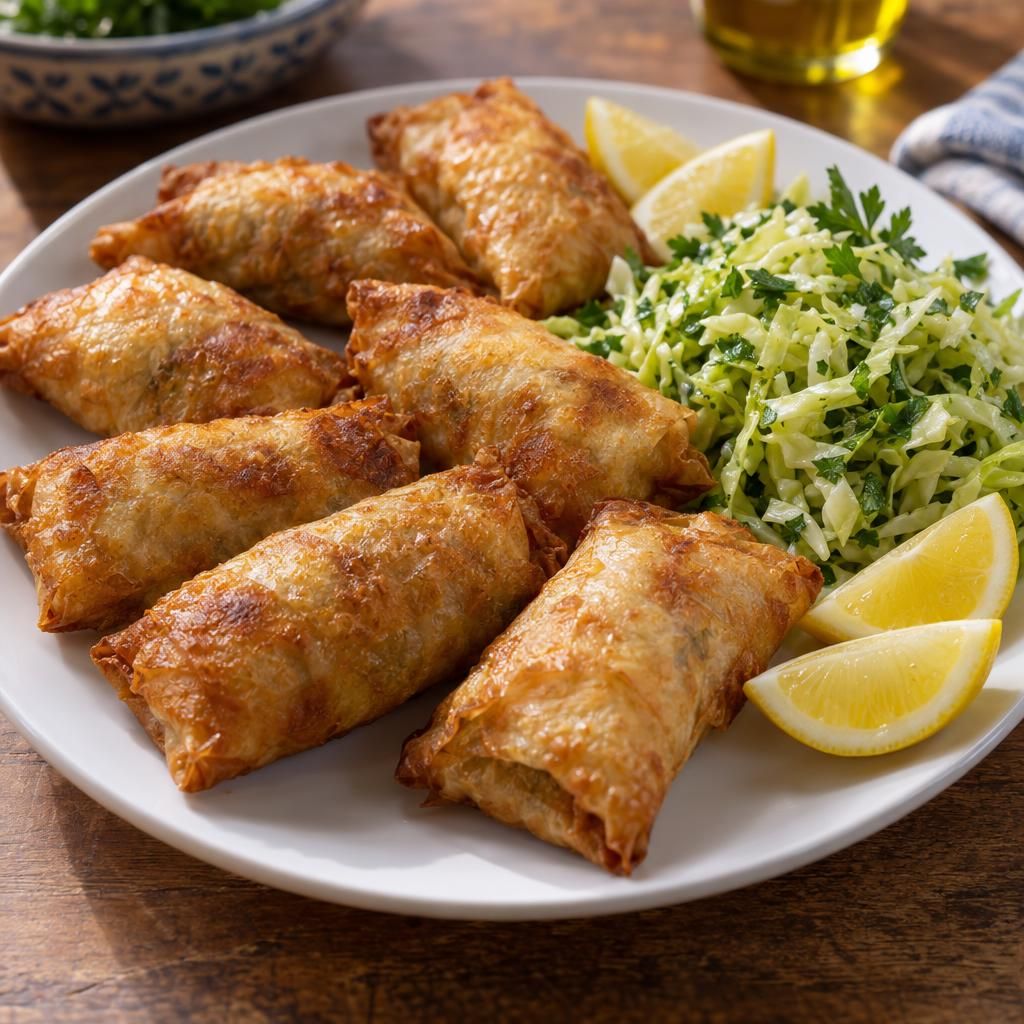
Crisp, shallow-fried phyllo parcels filled with tuna, hard-cooked eggs, potatoes, capers and parsley, served hot with a lemony green cabbage salad. The eggs are fully cooked and chopped into the filling, so the parcels fry quickly and reliably.

Kroger

$16.55

Per Serving

$4.14

Prep

40 min

Cook

40 min

Difficulty

hard

Ingredients and shopping

Servings

$38.28

12 to buy · 2 you have

Optional

43% used in this recipe$21.73 unused

Steps

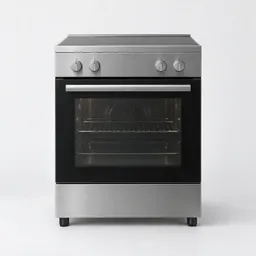
Centered freestanding kitchen oven photographed against a neutral light background.Oven
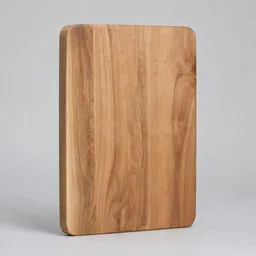
Centered rectangular wooden cutting board photographed against a plain light background.Cutting Board
Centered stainless-steel kitchen colander on a light neutral background.Colander
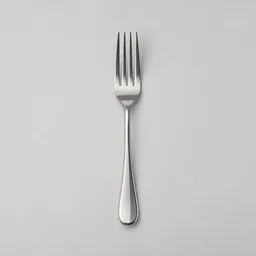
Centered stainless-steel fork on a neutral light-gray background.Fork
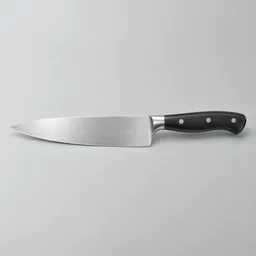
A single unbranded chef’s knife with a broad stainless-steel blade and dark handle, centered on a light neutral background.Chef's knife
Centered studio photograph of a complete unbranded stainless-steel set of measuring cups and measuring spoons on a neutral light background.Measuring cups and spoons
Centered fine-mesh stainless-steel strainer photographed against a neutral light background.Fine-mesh strainer
Centered studio photograph of a plain glossy white ceramic dinner plate on a light neutral background.Plate
Centered stainless-steel spoon photographed against a neutral light-gray background.Spoon
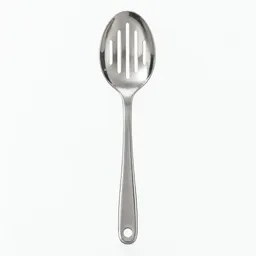
Centered studio photograph of a polished stainless-steel slotted spoon on a neutral light background.Slotted spoon
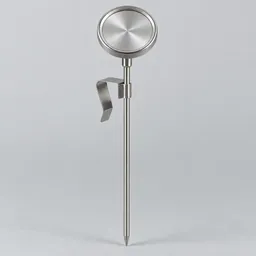
Centered studio photograph of a long stainless-steel deep-fry thermometer with a round unmarked dial housing and pot clip on a light neutral background.Deep-fry thermometer
A neatly folded plain pale beige kitchen towel photographed alone on a light neutral background.Clean kitchen towel
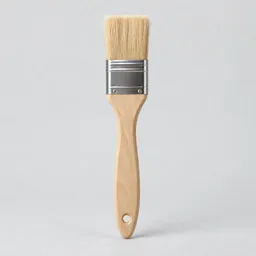
A single unbranded pastry brush with a pale wooden handle, metal ferrule, and soft bristles, centered on a light neutral background.Pastry brush
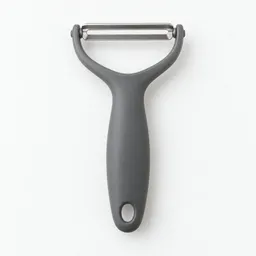
Centered studio photograph of a single vegetable peeler on a neutral light background.Vegetable peeler
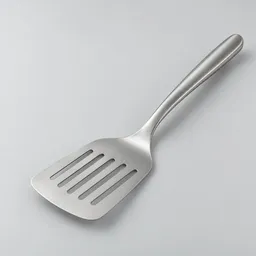
Centered slotted turner with a broad slotted stainless-steel blade and simple handle on a neutral light background.slotted turner
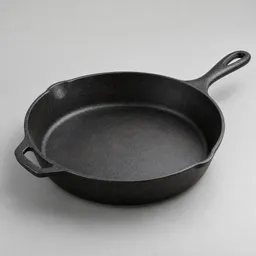
Centered studio photograph of a black 12-inch heavy cast-iron skillet with a long handle and opposite helper handle on a neutral light background.12-inch heavy skillet
2 large mixing bowls
Large 4-quart saucepan
Thin-probe instant-read food thermometer
Wire rack set in a rimmed baking sheet
1

Prepare the produce

Centered rectangular wooden cutting board photographed against a plain light background.Cutting Board
A single unbranded chef’s knife with a broad stainless-steel blade and dark handle, centered on a light neutral background.Chef's knife
Centered studio photograph of a single vegetable peeler on a neutral light background.Vegetable peeler

Wash the produce. Scrub the potatoes under running water. Remove the outer leaves of the cabbage half, then rinse the cabbage, parsley and lemons under running water. Dry everything well with paper towels, and cut away any bruised or damaged spots. Peel the potatoes and cut them into 3/4-inch pieces.

2

Boil the eggs and potatoes

A single unbranded chef’s knife with a broad stainless-steel blade and dark handle, centered on a light neutral background.Chef's knife
Centered studio photograph of a complete unbranded stainless-steel set of measuring cups and measuring spoons on a neutral light background.Measuring cups and spoons
Centered studio photograph of a polished stainless-steel slotted spoon on a neutral light background.Slotted spoon
Large 4-quart saucepan

Bring the 8 cups water and 1 teaspoon of the salt to a boil in the large saucepan over high heat. Use the slotted spoon to gently lower in the 4 eggs, then add the potatoes. Wash your hands after handling the raw eggs. Return to a gentle boil and cook for 12 minutes, until the potatoes are tender when pierced with a knife and the eggs are hard-cooked.

Wash your hands after handling the raw eggs.

3

Cool the eggs and potatoes

Centered stainless-steel kitchen colander on a light neutral background.Colander
Centered studio photograph of a plain glossy white ceramic dinner plate on a light neutral background.Plate
Centered studio photograph of a polished stainless-steel slotted spoon on a neutral light background.Slotted spoon

Lift the eggs out with the slotted spoon and cool them under cold running water for about 3 minutes. Drain the potatoes in the colander, spread them on a plate, and let them steam dry and cool to room temperature, about 15 minutes.

4

Make the cabbage salad

Centered rectangular wooden cutting board photographed against a plain light background.Cutting Board
A single unbranded chef’s knife with a broad stainless-steel blade and dark handle, centered on a light neutral background.Chef's knife
Centered studio photograph of a complete unbranded stainless-steel set of measuring cups and measuring spoons on a neutral light background.Measuring cups and spoons
2 large mixing bowls

While the potatoes cool, make the salad. Core the cabbage and shred it as finely as you can. Juice 2 of the lemons and measure out 1/4 cup juice. In a large bowl, combine the cabbage with 3 tablespoons of the lemon juice, 2 tablespoons of the olive oil, 1/2 teaspoon of the salt, 1/4 teaspoon of the pepper and 1/4 cup of the parsley. Squeeze and toss the cabbage with clean hands for about 1 minute, until it softens slightly and looks glossy. Cover and refrigerate until serving.

5

Drain the tuna and chop the eggs

Centered rectangular wooden cutting board photographed against a plain light background.Cutting Board
A single unbranded chef’s knife with a broad stainless-steel blade and dark handle, centered on a light neutral background.Chef's knife
Centered fine-mesh stainless-steel strainer photographed against a neutral light background.Fine-mesh strainer
Centered stainless-steel spoon photographed against a neutral light-gray background.Spoon

Tip the tuna into the fine-mesh strainer and press firmly with the back of a spoon until no more liquid drips out. Peel the cooled eggs and chop them into roughly 1/4-inch pieces.

6

Mix and portion the filling

Centered stainless-steel fork on a neutral light-gray background.Fork
Centered studio photograph of a complete unbranded stainless-steel set of measuring cups and measuring spoons on a neutral light background.Measuring cups and spoons
Centered stainless-steel spoon photographed against a neutral light-gray background.Spoon
2 large mixing bowls

In the second large bowl, coarsely mash the cooled potatoes with the fork, leaving some small lumps. Add the drained tuna, chopped eggs, capers, the remaining 1/2 cup parsley, the remaining 1 tablespoon lemon juice, 1 tablespoon of the olive oil, 1/4 teaspoon of the salt and the remaining 1/4 teaspoon pepper. Fold together gently until the mixture holds together when pressed. Divide it into 8 equal portions, each a heaping 1/3 cup.

7

Prepare the phyllo

A neatly folded plain pale beige kitchen towel photographed alone on a light neutral background.Clean kitchen towel
A single unbranded pastry brush with a pale wooden handle, metal ferrule, and soft bristles, centered on a light neutral background.Pastry brush

Unroll the phyllo, count out 16 sheets, and keep them covered with a barely damp kitchen towel while you work. Place 2 stacked sheets on a clean, dry work surface with a short side facing you. Lightly brush the top sheet with olive oil, using the remaining 2 tablespoons across all 8 parcels.

8

Fold the brik parcels

Centered studio photograph of a plain glossy white ceramic dinner plate on a light neutral background.Plate

Set one portion of filling on the stack, 2 inches up from the bottom edge. Pat it into a flat rectangle about 5 inches wide and 3 inches tall, leaving 2 inches of pastry bare on each side. Fold the bottom edge up over the filling, then fold both long sides in over it. Keep folding the parcel flat, away from you, to the end of the pastry, making a snug rectangle about 5 by 3 inches. Set it seam side down on a dry plate. Repeat with the remaining phyllo and filling to make 8 parcels.

9

Heat the holding oven and frying oil

Centered freestanding kitchen oven photographed against a neutral light background.Oven
Centered studio photograph of a long stainless-steel deep-fry thermometer with a round unmarked dial housing and pot clip on a light neutral background.Deep-fry thermometer
Centered studio photograph of a black 12-inch heavy cast-iron skillet with a long handle and opposite helper handle on a neutral light background.12-inch heavy skillet
Wire rack set in a rimmed baking sheet

Heat the oven to 200°F and place the wire rack set in the rimmed baking sheet inside. Pour the vegetable oil into the 12-inch skillet; it should be about 1/4 inch deep. Heat over medium heat until the oil reaches 350°F, about 5 minutes. At that point a corner of a parcel dipped into the oil should sizzle steadily at once.

Do not leave the hot oil unattended; keep water away from the skillet.

If the oil begins to smoke, turn off the heat and let it cool slightly.

10

Shallow-fry and check the brik

Centered freestanding kitchen oven photographed against a neutral light background.Oven
Centered slotted turner with a broad slotted stainless-steel blade and simple handle on a neutral light background.slotted turner
Centered studio photograph of a black 12-inch heavy cast-iron skillet with a long handle and opposite helper handle on a neutral light background.12-inch heavy skillet
Thin-probe instant-read food thermometer
Wire rack set in a rimmed baking sheet

Carefully lay up to 3 parcels in the oil, seam side down, leaving at least 1 inch between them. Use fewer parcels if needed to maintain that spacing. Fry for 2 to 3 minutes per side, turning once with the slotted turner, until deep golden brown and crisp on both sides. When using refrigerated make-ahead filling, continue shallow-frying until the filling reaches 165°F in the center, checked in each parcel with a thin-probe instant-read food thermometer inserted from the side. Reduce the heat and extend the frying time if necessary to heat the filling without overbrowning the pastry. Transfer only fully heated parcels to the rack in the oven to stay hot and crisp; the oven is for holding, not for finishing underheated filling. ([ask.fsis.usda.gov](https://ask.fsis.usda.gov/article/What-methods-of-reheating-food-are-safe? utm_source=openai))

Lower parcels into the hot oil away from you and keep water away from the skillet.

For refrigerated make-ahead filling, check that each parcel reaches 165°F at the center before holding it in the oven.

If held in the oven, keep the parcels at 140°F or above.

11

Fry the remaining batches

Centered freestanding kitchen oven photographed against a neutral light background.Oven
Centered studio photograph of a long stainless-steel deep-fry thermometer with a round unmarked dial housing and pot clip on a light neutral background.Deep-fry thermometer
Centered slotted turner with a broad slotted stainless-steel blade and simple handle on a neutral light background.slotted turner
Centered studio photograph of a black 12-inch heavy cast-iron skillet with a long handle and opposite helper handle on a neutral light background.12-inch heavy skillet
Thin-probe instant-read food thermometer
Wire rack set in a rimmed baking sheet

Fry the remaining parcels in 2 more uncrowded batches, or additional smaller batches if needed, letting the oil return to 350°F before each batch. Lower the heat slightly if the pastry browns in under 2 minutes per side. Follow the same center-temperature check for every batch made with refrigerated filling.

Lower parcels into the hot oil away from you and keep water away from the skillet.

For batches made with refrigerated filling, check that every parcel reaches 165°F at the center.

12

Serve the brik and salad

Centered rectangular wooden cutting board photographed against a plain light background.Cutting Board
A single unbranded chef’s knife with a broad stainless-steel blade and dark handle, centered on a light neutral background.Chef's knife
Centered studio photograph of a plain glossy white ceramic dinner plate on a light neutral background.Plate
Centered stainless-steel spoon photographed against a neutral light-gray background.Spoon
2 large mixing bowls

Cut the remaining lemon into 4 wedges. Toss the cabbage salad once more and divide it among 4 plates. Add 2 hot brik parcels and 1 lemon wedge to each plate and serve immediately.

13

How did it turn out?

Rating and review tools are unavailable right now.

Recipe facts

Cuisine
african

Make a bundle with Tunisian Tuna Brik with Cabbage Salad

Add meals that share its groceries.