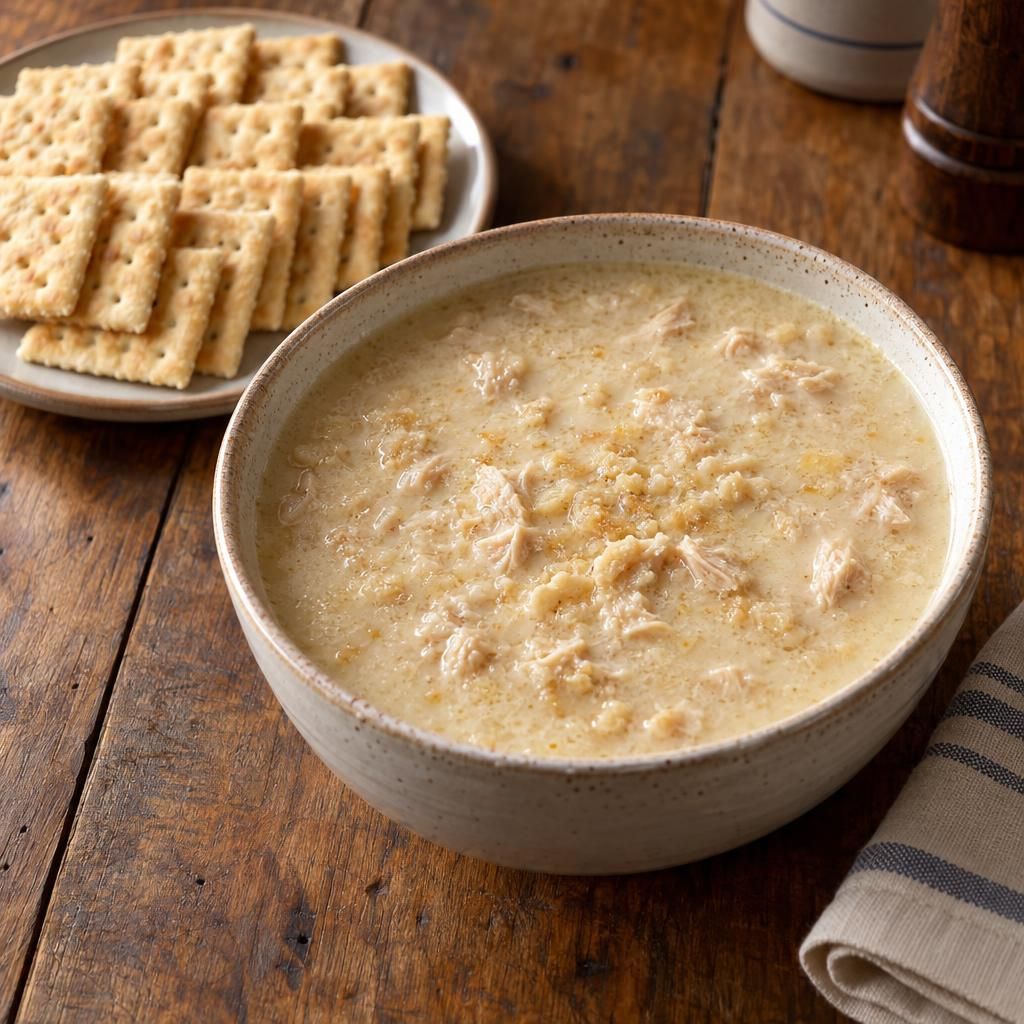
Georgia Chicken Mull
Servings: 4 · Prep: 15 min · Cook: 60 min · Total: 75 min
Ingredients
- 1 1/2 pounds Boneless skinless chicken thighs
- 4 cups Low-sodium chicken broth
- 2 cups Whole milk
- 1/4 cup Unsalted butter
- 54 Saltine crackers
- 1/4 teaspoon Kosher salt (optional)
- 1/2 teaspoon Black pepper
- 2 teaspoons Louisiana-style hot sauce (optional)
Equipment
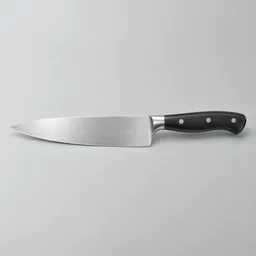
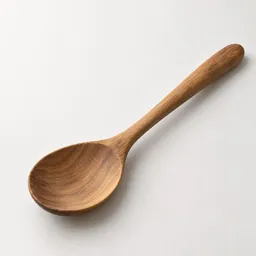
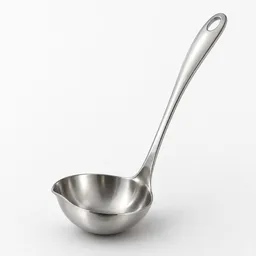
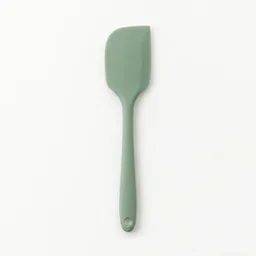
Measuring Spoons; Cutting Board; Tongs; Small bowl; Chef's knife; Wooden spoon; Ladle; Silicone spatula; Liquid measuring cup; Instant-read food thermometer; 4-quart heavy-bottomed pot with lid; Small, shallow storage containers with lids; 7-cup-minimum food processor with metal blade; Rimmed plate; measuring spoons; cutting board; tongs; small bowl; chef's knife; wooden spoon; ladle; silicone spatula; liquid measuring cup; instant-read food thermometer
Steps
- Crush and reserve the saltines. Fit the clean, dry food processor with its metal blade. Add 30 of the saltines and pulse in 1-second bursts, 10 to 12 times, until they are fine, sandy crumbs with no pieces larger than a lentil. Tip the crumbs into the small bowl and wipe out the processor bowl; it does not need washing. Set the remaining 24 saltines aside for serving.
- 54 saltine crackers
Unplug the processor before wiping inside the bowl or handling the metal blade.
- Bring the chicken and broth to a simmer. Lay the chicken thighs in the 4-quart pot in a snug layer, overlapping as little as possible, and pour in the 4 cups of broth so the chicken is submerged. Wash your hands with soap and water. Bring the broth to a gentle simmer over medium-high heat, 8 to 10 minutes, skimming off any foam with a spoon.
- 1 1/2 pounds chicken thighs
- 4 cups chicken broth
Wash hands with soap and water after handling raw chicken, and clean any surfaces or utensils it touched before reuse.
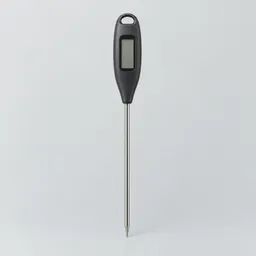
- Poach the chicken until fully cooked. Reduce the heat to low and set the lid on slightly ajar. Poach at a gentle simmer, with only small bubbles breaking the surface, for 20 to 25 minutes, until the chicken is tender enough to pull apart easily. Lift the largest thigh out with clean tongs and check that the thermometer reads at least 165°F in its thickest part.
Check that the thickest part reaches at least 165°F; wash the thermometer before and after use.
- Cool the chicken briefly. Turn off the heat. Transfer the chicken to the clean rimmed plate with clean tongs and let it cool for 10 minutes, until comfortable to handle. Cover the pot to keep the broth warm.
Use clean tongs and a clean plate for cooked chicken; never reuse utensils that touched raw chicken.
Let the chicken cool for the full 10 minutes before processing.
- Finely grind the cooked chicken. Cut the cooled chicken into roughly 1-inch pieces on the cutting board, discarding any gristle you find. Put all the chicken in the food processor and ladle in 1/4 cup of the warm poaching broth from the pot. Pulse in 1-second bursts, 15 to 20 times, stopping once halfway to scrape down the sides with the spatula. The chicken is ready when it is finely and evenly ground, with shreds no larger than grains of rice. Stop there and do not run the machine continuously, which turns the meat into a paste.
Use only the specified 1/4 cup of warm broth; excess hot liquid or steam can force the processor lid open.
Stop the processor before scraping the sides, and keep the spatula clear of the blade.
- Return the chicken to the broth. Scrape the ground chicken and any liquid from the processor back into the pot of broth. Add the butter and the black pepper. Bring to a gentle simmer over medium heat, stirring to break up any clumps of chicken, about 5 minutes.
- 1/4 cup butter — cut into 4 pieces
- 1/2 teaspoon Ground Black Pepper — freshly ground
- Add the milk and heat gently. Reduce the heat to low and stir in the milk. Heat for about 5 minutes, stirring often and scraping the bottom of the pot, until the soup is steaming and a few small bubbles appear at the edge. Do not let it boil from this point on, because milk scorches and separates over high heat.
- 2 cups milk
- Thicken gradually with cracker crumbs. Sprinkle in one-third of the saltine crumbs and stir for 1 minute until they dissolve. Stir in another third the same way, then cook over low heat for 3 minutes, stirring. The mull should look like loose porridge: thick enough to mound softly on a spoon but still able to flow. If it is thinner than that, add the remaining crumbs a spoonful at a time, stirring for 1 minute after each addition. Stop as soon as the texture is right, since the mull keeps thickening as it stands. Divide any unused crumbs evenly over the 4 finished bowls.
- Taste and add the optional salt. Taste the mull before adding any salt, because the broth and crackers already contribute saltiness. If it needs salt, stir in the measured 1/4 teaspoon kosher salt; otherwise omit it.
- 1/4 teaspoon Kosher Salt (optional)
- Divide and serve the mull. Divide the entire batch of hot mull equally among 4 warmed bowls and serve right away. Divide the 24 reserved saltines among the diners, 6 per person. If using the hot sauce, pass it at the table and allot 1/2 teaspoon per bowl, using 2 teaspoons total.
- 2 teaspoons hot sauce (optional)
Notes
Take the mull off the heat while it is slightly looser than you want it in the bowl, because the cracker crumbs keep swelling as it stands.
If your food processor is smaller than 7 cups, grind the chicken in two batches and split the 1/4 cup of broth between them.
Leftover mull sets up thickly in the refrigerator. Reheat it in a pot over low heat, stirring often and scraping the bottom; it loosens as it warms.
The mull can be frozen in sealed containers at 0°F for 2 to 3 months for best quality. Thaw it in the refrigerator, then reheat gently and stir well to bring the texture back together.
Store the serving saltines separately in a dry place so they stay crisp.
Cooking safety
Wash your hands with soap and water after touching the raw chicken, and clean any surfaces or utensils it touched before using them again.
Put the cooked chicken on a clean plate and handle it with clean tongs, never ones that touched raw chicken.
Check that the chicken reaches at least 165°F in the thickest part before grinding it. Wash the thermometer with soap and water before and after each use.
Let the chicken cool for the full 10 minutes before processing it, and add only the 1/4 cup of warm broth, so hot steam and liquid cannot force the processor lid open.
If you are not serving immediately, hold the mull over the lowest heat at 140°F or above, stirring often so the bottom does not scorch.
Divide leftover mull into small, shallow containers and refrigerate promptly at 40°F or below. Cover the containers for storage. Refrigerate within 2 hours of cooking, or within 1 hour if the room is above 90°F. If the mull is safely hot-held at 140°F or above, count the refrigeration deadline from when hot holding ends; time safely hot-held does not count toward these room-temperature limits. Eat refrigerated leftovers within 3 to 4 days.
Reheat leftovers to 165°F, until steaming hot throughout.
https://plumtally.com/recipes/georgia-chicken-mull-rbix8z0ze7cw