Japanese-Style Shiitake Egg Custards

Servings: 4 · Prep: 45 min · Cook: 40 min · Total: 85 min

Ingredients

  • 6 ounces Fresh shiitake mushrooms
  • 2 1/4 cups Low-sodium vegetable broth
  • 4 Large eggs
  • 1 tablespoon + 1 teaspoon Soy sauce
  • 2 teaspoons Mirin
  • 1/2 teaspoon Fine sea salt
  • 2 Scallions
  • 1 1/2 cups Japanese short-grain white rice
  • 2 cups Frozen shelled edamame
  • 10 3/4 cups Water
  • 5 cups Water for optional reheating (optional)
  • 1 Square foot (1 square foot) Aluminum foil

Equipment

Cutting Board; Fork; Chef's knife; Measuring cups and spoons; Oven mitts; Fine-mesh sieve; Medium mixing bowl; Large spoon; Clean kitchen towel; Instant-read food thermometer; timer; 3-quart saucepan with tight-fitting lid; Small plate; Small covered dish; Small 2-quart saucepan with lid; 12-inch-wide lidded pot, at least 4 inches deep; Flat steamer rack to fit the pot, 1 inch tall; 4 heatproof ramekins, 8-fluid-ounce capacity; 4-cup liquid measuring cup with spout; Wide heatproof bowl; Second clean kitchen towel; cutting board; fork; chef's knife; measuring cups and spoons; oven mitts; fine-mesh sieve; medium mixing bowl; large spoon; clean kitchen towel; instant-read food thermometer; small plate

Steps

  1. Prepare the mushrooms and scallions. Wash your hands. Rinse the shiitake mushrooms and scallions under cool running water, cut away any bruised or damaged spots, and pat them dry with the clean kitchen towel. Cut off the tough shiitake stems and discard them, then slice the caps 1/8 inch thick. Trim and thinly slice the scallions, and set them aside in a small covered dish away from where you will handle the raw eggs.
    • 6 ounces shiitake mushrooms
    • 2 scallions — thinly sliced

    Keep the scallions away from raw eggs to prevent cross-contamination.

  2. Simmer the mushrooms. Put the sliced mushroom caps and all 2 1/4 cups of vegetable broth in the small saucepan. Bring to a simmer over medium heat, then cover, reduce the heat to low and simmer gently until the mushrooms are tender, 5 to 6 minutes.
    • 6 ounces shiitake mushrooms
    • 2 1/4 cups vegetable broth
  3. Strain and cool the broth. Set the sieve over the liquid measuring cup and pour in the mushrooms and broth, pressing the mushrooms lightly with the spoon. You need 2 cups of broth for the custard; pour off and discard anything above the 2-cup line. If you are a tablespoon short, proceed anyway. Pour the broth into the wide heatproof bowl and let it cool, stirring now and then, until barely lukewarm (100°F or cooler), 25 to 30 minutes. To cool it faster, refrigerate the bowl for about 15 minutes. Divide the mushrooms evenly among the 4 ramekins. Rinse the saucepan, sieve and measuring cup.

    Pour and press the hot broth and mushrooms carefully to avoid splashes.

  4. Rinse and soak the rice. While the broth cools, put the rice in the sieve and rinse it under cold running water, swishing with your fingers, until the water runs nearly clear, about 1 minute. Drain well, tip the rice into the 3-quart saucepan, add 1 3/4 cups of the water and let it soak off the heat for 20 minutes.
    • 1 1/2 cups short-grain white rice
    • 1 3/4 cups Water
  5. Prepare the steamer. Set the steamer rack in the wide pot and add 5 cups of the water when the broth is nearly cool; the water should sit below the top of the rack. Cover, bring to a boil over medium-high heat, then reduce the heat to low so the water barely simmers.
    • 5 cups Water
  6. Mix and strain the custard. Crack the eggs into the medium mixing bowl. Beat them with the fork using a side-to-side cutting motion, not a whipping motion, until the whites and yolks are fully blended but not foamy. Stir in the 2 cups of cooled broth, 1 tablespoon of the soy sauce, the mirin and 1/4 teaspoon of the salt. Pour the mixture through the sieve into the liquid measuring cup to remove egg strands and bubbles. Wash your hands, the sieve, the fork and any surfaces touched by raw egg with hot, soapy water.
    • 4 egg
    • 1 tablespoon soy sauce
    • 2 teaspoons mirin
    • 1/4 teaspoon salt

    Do not taste raw custard; wash hands, utensils, the sieve, and surfaces that touched raw egg with hot, soapy water.

  7. Fill and cover the ramekins. Pour the strained custard evenly over the mushrooms in the ramekins, a scant 3/4 cup each. Stir each ramekin gently once or twice with the clean spoon so the mushroom slices loosen and spread through the custard, then skim off any surface bubbles. Cover each ramekin tightly with a square of foil. Wash the spoon and any other utensils or surfaces touched by the raw custard with hot, soapy water before using them again.
    • 4 aluminum foil

    Wash utensils and surfaces that touched the raw custard with hot, soapy water before reuse.

  8. Start cooking the rice. Set the rice saucepan, uncovered, over medium-high heat and bring it to a boil, 4 to 5 minutes. Stir once, cover with the tight-fitting lid, reduce the heat to low and set a timer for 12 minutes. Do not lift the lid.
  9. Steam the custards gently. As soon as the rice is covered, check that the water in the wide pot shows only small bubbles and wisps of steam, not a rolling boil. Set the foil-covered ramekins on the rack, spaced slightly apart. Place the lid on the pot slightly ajar, leaving a gap of about 1/4 inch. Steam over low, steady heat for 20 to 25 minutes. A thin, steady stream of steam should escape from the gap; lower the heat if the lid rattles or the water bubbles vigorously.

    Keep clear of escaping steam and do not let the steaming pot boil dry.

  10. Finish the rice and cook the edamame. When the 12-minute rice timer sounds, move the rice off the heat and leave it covered to steam for at least 10 minutes. Bring the 4 cups of water for the edamame to a boil in the clean small saucepan over high heat. Add the frozen edamame without thawing, return to a boil and cook until hot throughout and tender, 4 to 5 minutes. Drain in the clean sieve, return the edamame to the warm pan, toss with the remaining 1 teaspoon soy sauce and remaining 1/4 teaspoon salt, and cover to keep warm.
    • 4 cups Water
    • 2 cups edamame
    • 1 teaspoon soy sauce
    • 1/4 teaspoon salt

    Cook the frozen edamame until hot throughout and drain the boiling water carefully.

  11. Check the custards for doneness. After 20 minutes of steaming, put on oven mitts, tilt the pot lid away from you and peel back the foil on one ramekin. The custard is done when the surface is opaque, the edges are set and the center trembles like soft tofu when the ramekin is nudged, with no liquid sloshing. Insert the clean thermometer into the center of the custard; it should read at least 160°F, and any liquid that wells up around the probe should be clear, not cloudy. Check the remaining custards the same way, cleaning the thermometer probe before and after each use. If the custards are not ready, re-cover and steam 2 to 3 minutes more before checking again. If they are still liquid at 25 minutes, raise the heat slightly so the water simmers gently and keep checking every 3 minutes.

    Tilt the lid away from yourself and use oven mitts; escaping steam and hot foil can burn.

  12. Rest, garnish and serve. Turn off the heat. Using oven mitts, lift the ramekins onto the kitchen towel and let them rest, still covered, for 3 minutes. Fluff the rice with the clean spoon. Uncover the custards and divide the sliced scallions among all four. Serve each custard in its hot ramekin on a small plate, with a quarter of the rice (about 1 cup) and a quarter of the edamame (about 1/2 cup) alongside.
    • 2 scallions — thinly sliced

    Use oven mitts to handle the hot ramekins.

Notes

The custard uses about 1 part beaten egg to 2 1/2 parts broth by volume, which sets softly but reliably. Use low-sodium broth; full-sodium broth makes the custard too salty.

A pockmarked surface, honeycomb holes or weeping liquid means the heat was too high. Keep the water at a bare simmer and the lid ajar for a smooth custard.

If you have no steamer rack, fold a second clean kitchen towel flat in the bottom of the pot with all edges tucked well inside and away from the burner. Set the ramekins on the towel, pour the 5 cups of water around them and cook the same way.

To make ahead, simmer and strain the mushrooms and broth up to 2 days in advance and refrigerate them promptly in separate shallow, sealed containers. Label them with their original cooking date. Following the conservative storage timeline above, if they were prepared 2 days ahead, use the finished custards within the remaining 1 to 2 days; freshly prepared rice and edamame retain their own storage timelines. Cold broth can be mixed straight into the eggs; allow 3 to 5 extra minutes of steaming. ([ask.fsis.usda.gov](https://ask.fsis.usda.gov/article/How-do-I-handle-leftovers-safely/?utm_source=openai))

The custards have the best texture on the day they are made. To reheat leftovers, put the separate 5 cups of reheating water in the wide steaming pot below the rack. Re-cover the ramekins with their foil and steam over low heat. Begin checking after 8 to 10 minutes, and continue steaming until a clean food thermometer reads at least 165°F in the center of each custard. The time is an initial checking point, not a guaranteed completion time. ([foodsafety.gov](https://www.foodsafety.gov/food-safety-charts/safe-minimum-internal-temperatures))

Cooking safety

Do not taste the raw custard mixture. Wash hands, utensils, the sieve and work surfaces with hot, soapy water after they touch raw egg, and keep the sliced scallions away from raw egg because they are served uncooked. ([fda.gov](https://www.fda.gov/food/buy-store-serve-safe-food/what-you-need-to-know-about-egg-safety))

Cook the custards until the centers reach at least 160°F. Wash the thermometer probe with soap and water before and after each use. ([foodsafety.gov](https://www.foodsafety.gov/food-safety-charts/safe-minimum-internal-temperatures))

Steam can burn. Open the pot lid away from your face, use oven mitts to handle the ramekins and peel back hot foil carefully.

Do not let the steaming pot boil dry; the water should remain visible below the rack throughout cooking.

Cook the frozen edamame fully in boiling water before eating; it is not a ready-to-eat product.

Serve the meal promptly. Refrigerate leftovers in shallow, sealed containers within 2 hours of cooking (within 1 hour if the room is above 90°F), in a refrigerator set to 40°F or below. Use freshly prepared rice and edamame within 3 to 4 days of their own cooking date. For the custards, conservatively count the 3 to 4 days from when the mushrooms and broth were first cooked, including any make-ahead storage. Reheat leftovers until steaming hot throughout and at least 165°F. ([ask.fsis.usda.gov](https://ask.fsis.usda.gov/article/How-do-I-handle-leftovers-safely/?utm_source=openai))

https://plumtally.com/recipes/japanese-style-shiitake-egg-custards-rsf8c0ecmhzr
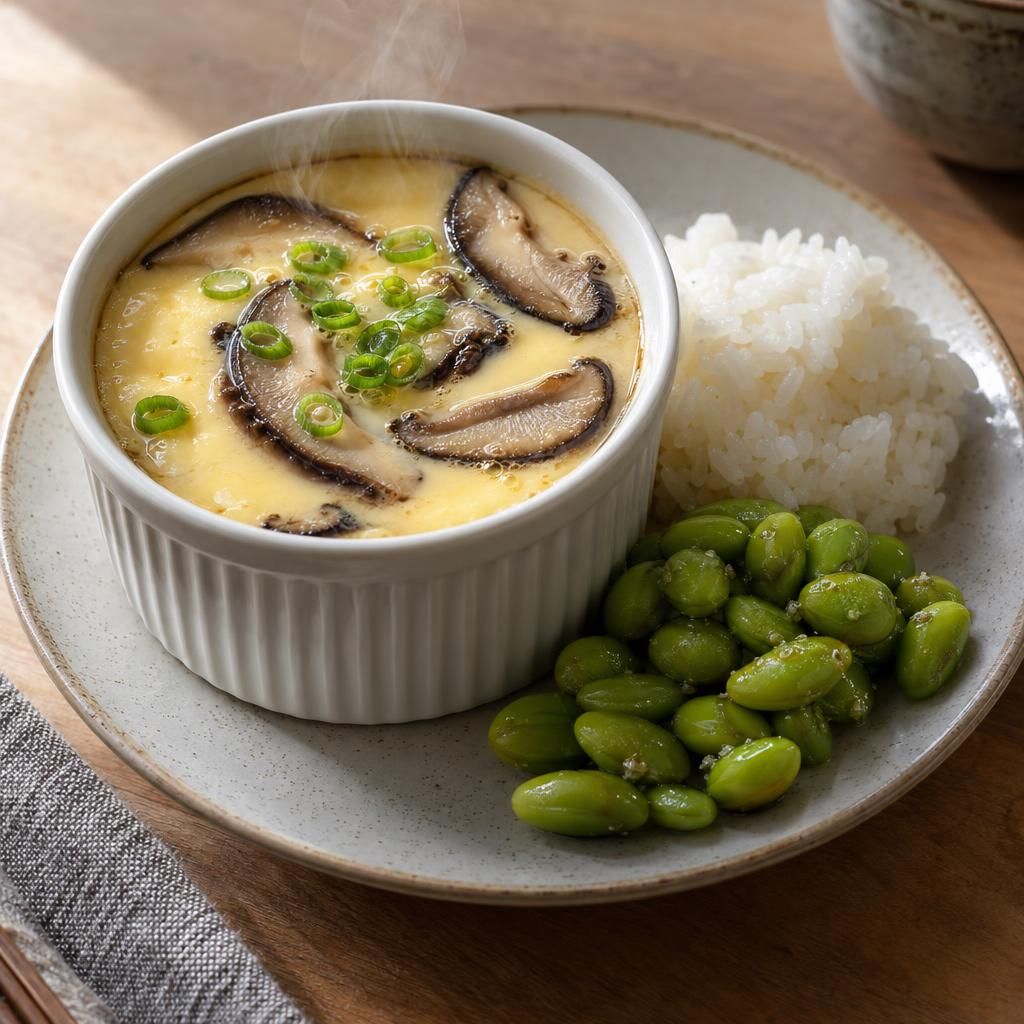
Japanese-Style Shiitake Egg Custards

Japanese-Style Shiitake Egg Custards

Silky savory egg custards steamed gently with tender shiitake mushrooms in a soy-seasoned vegetable broth. Each custard is served warm with steamed white rice and lightly seasoned shelled edamame for a complete vegetarian meal.

Kroger

$14.62

Per Serving

$3.66

Prep

45 min

Cook

40 min

Difficulty

hard

Ingredients and shopping

Servings

$36.35

10 to buy · 0 you have

Optional

  • 5 cups Water for optional reheating

    Qty—
40% used in this recipe$21.73 unused

Steps

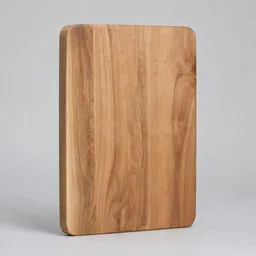
Centered rectangular wooden cutting board photographed against a plain light background.Cutting Board
Centered stainless-steel fork on a neutral light-gray background.Fork
A single unbranded chef’s knife with a broad stainless-steel blade and dark handle, centered on a light neutral background.Chef's knife
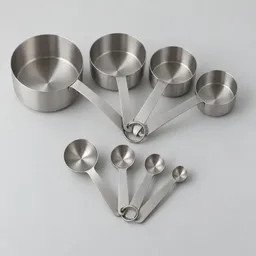
Centered studio photograph of a complete unbranded stainless-steel set of measuring cups and measuring spoons on a neutral light background.Measuring cups and spoons
A centered pair of quilted gray oven mitts on a light neutral background.Oven mitts
Centered stainless-steel fine-mesh sieve with a round bowl, tightly woven mesh, and straight handle on a light neutral background.Fine-mesh sieve
Centered medium stainless-steel mixing bowl on a light neutral background.Medium mixing bowl
A single large stainless steel spoon centered on a light neutral background.Large spoon
A neatly folded plain pale beige kitchen towel photographed alone on a light neutral background.Clean kitchen towel
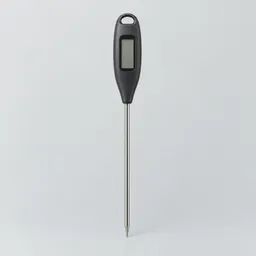
Unbranded instant-read food thermometer with a stainless-steel probe and dark handle, centered on a neutral light background.Instant-read food thermometer
Centered studio photograph of a plain unbranded kitchen timer on a light neutral background.timer
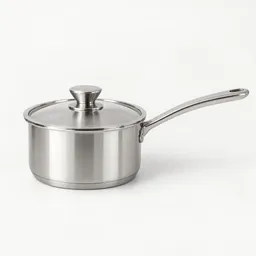
Centered 3-quart stainless-steel saucepan with tight-fitting lid on a neutral light background.3-quart saucepan with tight-fitting lid
Centered small off-white ceramic plate on a neutral light background.Small plate
Small covered dish
Small 2-quart saucepan with lid
12-inch-wide lidded pot, at least 4 inches deep
Flat steamer rack to fit the pot, 1 inch tall
4 heatproof ramekins, 8-fluid-ounce capacity
4-cup liquid measuring cup with spout
Wide heatproof bowl
Second clean kitchen towel
1

Prepare the mushrooms and scallions

Centered rectangular wooden cutting board photographed against a plain light background.Cutting Board
A single unbranded chef’s knife with a broad stainless-steel blade and dark handle, centered on a light neutral background.Chef's knife
A neatly folded plain pale beige kitchen towel photographed alone on a light neutral background.Clean kitchen towel
Small covered dish

Wash your hands. Rinse the shiitake mushrooms and scallions under cool running water, cut away any bruised or damaged spots, and pat them dry with the clean kitchen towel. Cut off the tough shiitake stems and discard them, then slice the caps 1/8 inch thick. Trim and thinly slice the scallions, and set them aside in a small covered dish away from where you will handle the raw eggs.

Keep the scallions away from raw eggs to prevent cross-contamination.

2

Simmer the mushrooms

Small 2-quart saucepan with lid

Put the sliced mushroom caps and all 2 1/4 cups of vegetable broth in the small saucepan. Bring to a simmer over medium heat, then cover, reduce the heat to low and simmer gently until the mushrooms are tender, 5 to 6 minutes.

3

Strain and cool the broth

Centered stainless-steel fine-mesh sieve with a round bowl, tightly woven mesh, and straight handle on a light neutral background.Fine-mesh sieve
A single large stainless steel spoon centered on a light neutral background.Large spoon
Small 2-quart saucepan with lid
4 heatproof ramekins, 8-fluid-ounce capacity
4-cup liquid measuring cup with spout
Wide heatproof bowl

Set the sieve over the liquid measuring cup and pour in the mushrooms and broth, pressing the mushrooms lightly with the spoon. You need 2 cups of broth for the custard; pour off and discard anything above the 2-cup line. If you are a tablespoon short, proceed anyway. Pour the broth into the wide heatproof bowl and let it cool, stirring now and then, until barely lukewarm (100°F or cooler), 25 to 30 minutes. To cool it faster, refrigerate the bowl for about 15 minutes. Divide the mushrooms evenly among the 4 ramekins. Rinse the saucepan, sieve and measuring cup.

Pour and press the hot broth and mushrooms carefully to avoid splashes.

4

Rinse and soak the rice

Centered studio photograph of a complete unbranded stainless-steel set of measuring cups and measuring spoons on a neutral light background.Measuring cups and spoons
Centered stainless-steel fine-mesh sieve with a round bowl, tightly woven mesh, and straight handle on a light neutral background.Fine-mesh sieve
Centered 3-quart stainless-steel saucepan with tight-fitting lid on a neutral light background.3-quart saucepan with tight-fitting lid
4-cup liquid measuring cup with spout

While the broth cools, put the rice in the sieve and rinse it under cold running water, swishing with your fingers, until the water runs nearly clear, about 1 minute. Drain well, tip the rice into the 3-quart saucepan, add 1 3/4 cups of the water and let it soak off the heat for 20 minutes.

5

Prepare the steamer

Centered studio photograph of a complete unbranded stainless-steel set of measuring cups and measuring spoons on a neutral light background.Measuring cups and spoons
12-inch-wide lidded pot, at least 4 inches deep
Flat steamer rack to fit the pot, 1 inch tall

Set the steamer rack in the wide pot and add 5 cups of the water when the broth is nearly cool; the water should sit below the top of the rack. Cover, bring to a boil over medium-high heat, then reduce the heat to low so the water barely simmers.

6

Mix and strain the custard

Centered stainless-steel fork on a neutral light-gray background.Fork
Centered studio photograph of a complete unbranded stainless-steel set of measuring cups and measuring spoons on a neutral light background.Measuring cups and spoons
Centered stainless-steel fine-mesh sieve with a round bowl, tightly woven mesh, and straight handle on a light neutral background.Fine-mesh sieve
Centered medium stainless-steel mixing bowl on a light neutral background.Medium mixing bowl
4-cup liquid measuring cup with spout

Crack the eggs into the medium mixing bowl. Beat them with the fork using a side-to-side cutting motion, not a whipping motion, until the whites and yolks are fully blended but not foamy. Stir in the 2 cups of cooled broth, 1 tablespoon of the soy sauce, the mirin and 1/4 teaspoon of the salt. Pour the mixture through the sieve into the liquid measuring cup to remove egg strands and bubbles. Wash your hands, the sieve, the fork and any surfaces touched by raw egg with hot, soapy water.

Do not taste raw custard; wash hands, utensils, the sieve, and surfaces that touched raw egg with hot, soapy water.

7

Fill and cover the ramekins

Centered studio photograph of a complete unbranded stainless-steel set of measuring cups and measuring spoons on a neutral light background.Measuring cups and spoons
A single large stainless steel spoon centered on a light neutral background.Large spoon
4 heatproof ramekins, 8-fluid-ounce capacity
4-cup liquid measuring cup with spout

Pour the strained custard evenly over the mushrooms in the ramekins, a scant 3/4 cup each. Stir each ramekin gently once or twice with the clean spoon so the mushroom slices loosen and spread through the custard, then skim off any surface bubbles. Cover each ramekin tightly with a square of foil. Wash the spoon and any other utensils or surfaces touched by the raw custard with hot, soapy water before using them again.

Wash utensils and surfaces that touched the raw custard with hot, soapy water before reuse.

8

Start cooking the rice

A single large stainless steel spoon centered on a light neutral background.Large spoon
Centered studio photograph of a plain unbranded kitchen timer on a light neutral background.timer
Centered 3-quart stainless-steel saucepan with tight-fitting lid on a neutral light background.3-quart saucepan with tight-fitting lid

Set the rice saucepan, uncovered, over medium-high heat and bring it to a boil, 4 to 5 minutes. Stir once, cover with the tight-fitting lid, reduce the heat to low and set a timer for 12 minutes. Do not lift the lid.

9

Steam the custards gently

Centered studio photograph of a plain unbranded kitchen timer on a light neutral background.timer
12-inch-wide lidded pot, at least 4 inches deep
Flat steamer rack to fit the pot, 1 inch tall
4 heatproof ramekins, 8-fluid-ounce capacity

As soon as the rice is covered, check that the water in the wide pot shows only small bubbles and wisps of steam, not a rolling boil. Set the foil-covered ramekins on the rack, spaced slightly apart. Place the lid on the pot slightly ajar, leaving a gap of about 1/4 inch. Steam over low, steady heat for 20 to 25 minutes. A thin, steady stream of steam should escape from the gap; lower the heat if the lid rattles or the water bubbles vigorously.

Keep clear of escaping steam and do not let the steaming pot boil dry.

10

Finish the rice and cook the edamame

Centered studio photograph of a complete unbranded stainless-steel set of measuring cups and measuring spoons on a neutral light background.Measuring cups and spoons
Centered stainless-steel fine-mesh sieve with a round bowl, tightly woven mesh, and straight handle on a light neutral background.Fine-mesh sieve
A single large stainless steel spoon centered on a light neutral background.Large spoon
Centered studio photograph of a plain unbranded kitchen timer on a light neutral background.timer
Centered 3-quart stainless-steel saucepan with tight-fitting lid on a neutral light background.3-quart saucepan with tight-fitting lid
Small 2-quart saucepan with lid
4-cup liquid measuring cup with spout

When the 12-minute rice timer sounds, move the rice off the heat and leave it covered to steam for at least 10 minutes. Bring the 4 cups of water for the edamame to a boil in the clean small saucepan over high heat. Add the frozen edamame without thawing, return to a boil and cook until hot throughout and tender, 4 to 5 minutes. Drain in the clean sieve, return the edamame to the warm pan, toss with the remaining 1 teaspoon soy sauce and remaining 1/4 teaspoon salt, and cover to keep warm.

Cook the frozen edamame until hot throughout and drain the boiling water carefully.

11

Check the custards for doneness

A centered pair of quilted gray oven mitts on a light neutral background.Oven mitts
Unbranded instant-read food thermometer with a stainless-steel probe and dark handle, centered on a neutral light background.Instant-read food thermometer
Centered studio photograph of a plain unbranded kitchen timer on a light neutral background.timer
12-inch-wide lidded pot, at least 4 inches deep
Flat steamer rack to fit the pot, 1 inch tall
4 heatproof ramekins, 8-fluid-ounce capacity

After 20 minutes of steaming, put on oven mitts, tilt the pot lid away from you and peel back the foil on one ramekin. The custard is done when the surface is opaque, the edges are set and the center trembles like soft tofu when the ramekin is nudged, with no liquid sloshing. Insert the clean thermometer into the center of the custard; it should read at least 160°F, and any liquid that wells up around the probe should be clear, not cloudy. Check the remaining custards the same way, cleaning the thermometer probe before and after each use. If the custards are not ready, re-cover and steam 2 to 3 minutes more before checking again. If they are still liquid at 25 minutes, raise the heat slightly so the water simmers gently and keep checking every 3 minutes.

Tilt the lid away from yourself and use oven mitts; escaping steam and hot foil can burn.

12

Rest, garnish and serve

A centered pair of quilted gray oven mitts on a light neutral background.Oven mitts
A single large stainless steel spoon centered on a light neutral background.Large spoon
A neatly folded plain pale beige kitchen towel photographed alone on a light neutral background.Clean kitchen towel
Centered 3-quart stainless-steel saucepan with tight-fitting lid on a neutral light background.3-quart saucepan with tight-fitting lid
Centered small off-white ceramic plate on a neutral light background.Small plate
4 heatproof ramekins, 8-fluid-ounce capacity

Turn off the heat. Using oven mitts, lift the ramekins onto the kitchen towel and let them rest, still covered, for 3 minutes. Fluff the rice with the clean spoon. Uncover the custards and divide the sliced scallions among all four. Serve each custard in its hot ramekin on a small plate, with a quarter of the rice (about 1 cup) and a quarter of the edamame (about 1/2 cup) alongside.

Use oven mitts to handle the hot ramekins.

13

How did it turn out?

Rating and review tools are unavailable right now.

Recipe facts

Cuisine
japanese

Make a bundle with Japanese-Style Shiitake Egg Custards

Add meals that share its groceries.