Spaghetti Carbonara

Servings: 4 · Prep: 10 min · Cook: 25 min · Total: 35 min

Ingredients

  • 16 ounces dry spaghetti
  • 8 ounces thick-cut pork bacon
  • 2 each large whole eggs
  • 3 each large egg yolks
  • 2 ounces Parmesan cheese
  • 2 ounces Pecorino Romano cheese
  • 1 teaspoon black pepper
  • 1 1/2 teaspoons fine sea salt
  • 3 quarts water

Equipment

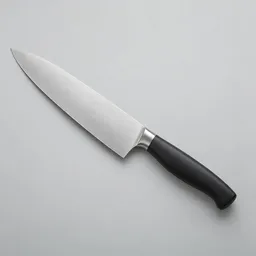
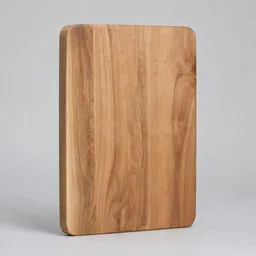
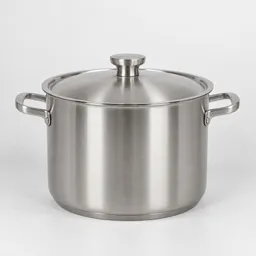
Whisk; Measuring Spoons; Knife; Cutting Board; Tongs; Instant-read thermometer; Oven mitts; Fine grater; 12-inch skillet; 6-quart pot; 4-quart stainless-steel bowl, secure fit over pot; Heatproof 2-cup measuring jug; whisk; measuring spoons; knife; cutting board; tongs; instant-read thermometer; oven mitts; fine grater

Steps

  1. Prepare the ingredients and cooking water. Wash your hands with soap and water for 20 seconds before starting and after handling raw bacon and eggs. Cut the bacon and finely grate both cheeses. Bring the 3 quarts of water and the salt to a boil in the pot.
    • 8 ounces pork bacon — cut crosswise
    • 2 ounces parmesan cheese — finely grated
    • 2 ounces pecorino romano cheese — finely grated
    • 1 1/2 teaspoons salt
    • 3 quarts Water

    Clean the knife, cutting board, and work surfaces after raw bacon contact.

  2. Brown the bacon. Place the bacon in the unheated skillet. Cook over medium heat, stirring frequently, for 10–12 minutes, until browned with crisp edges and the fat has rendered. Remove the skillet from the burner. Carefully spoon off excess fat, leaving 2 tablespoons of rendered fat with the bacon.
    • 8 ounces pork bacon — cut crosswise

    Take care to avoid splashes when spooning hot rendered bacon fat.

  3. Mix the eggs and cheeses. In the stainless-steel bowl, whisk together the whole eggs, egg yolks, Parmesan, Pecorino Romano and black pepper. The mixture will be thick. Keep the bowl away from heat.
    • 2 Each egg
    • 3 Each egg yolk
    • 2 ounces parmesan cheese — finely grated
    • 2 ounces pecorino romano cheese — finely grated
    • 1 teaspoon Freshly Ground Black Pepper — freshly ground

    Wash hands and utensils after handling the raw egg mixture.

  4. Cook the spaghetti and temper the eggs. Add the spaghetti to the boiling water and cook, stirring occasionally, until al dente, following the package timing. About 1 minute before it is ready, scoop out 1 1/2 cups of the starchy cooking water. Let this reserved water stand for about 1 minute, then gradually whisk 2 tablespoons into the egg-and-cheese mixture. These 2 tablespoons are part of the 1/2-cup sauce-base allocation.
    • 16 ounces spaghetti

    Scoop hot pasta water carefully to avoid burns or splashes.

  5. Toss the spaghetti with the bacon. Using tongs, transfer the hot spaghetti directly into the skillet with the bacon, allowing excess water to drip back into the pot. Keep the skillet off direct heat and toss for about 30 seconds to coat the spaghetti with the bacon fat. Leave the remaining cooking water in the pot for the gentle warming step.

    Transfer the hot spaghetti carefully; pasta water and bacon fat can splash.

  6. Form the glossy sauce. Immediately transfer the spaghetti, bacon and skillet juices into the bowl containing the egg-and-cheese mixture. Keep the bowl off direct heat and toss promptly and continuously for about 1 minute. Gradually add 6 tablespoons of the reserved pasta water, 1 tablespoon at a time, tossing thoroughly after each addition, to make the sauce smooth and glossy. Together with the 2 tablespoons used for tempering, this completes the 1/2-cup sauce-base allocation. If needed, add water from the remaining 1-cup optional adjustment allowance, 1 tablespoon at a time. This allowance is shared across this step and steps 7–8; stop adding water when the sauce coats the strands without becoming watery.

    Do not taste the egg sauce until it has reached 160°F.

  7. Check the temperature and gently finish. Check the temperature in the center of the sauced pasta with a clean instant-read thermometer; the egg sauce must reach 160°F. If it is cooler, carefully pour off enough water from the pot so the bowl can rest securely over it without touching the water. Bring the remaining water to a gentle simmer, then set the bowl over the pot. Toss constantly, adding water from the shared 1-cup optional adjustment allowance, 1 tablespoon at a time, if the sauce tightens. As soon as the sauce reaches 160°F, use oven mitts to remove the bowl. Do not place the bowl directly on a burner.

    Avoid scalding steam and hot water; use oven mitts when removing the bowl and clean the thermometer before and after use.

  8. Adjust the consistency and serve. Give the pasta a final toss. If necessary, loosen the sauce with water left in the shared 1-cup optional adjustment allowance, adding it 1 tablespoon at a time. The sauce should flow around the spaghetti rather than sit in thick clumps. Divide the entire dish evenly among four bowls and serve immediately.

Notes

4 servings, each a generous bowl made with 4 ounces of dry spaghetti.

Finely grate the cheeses from blocks so they blend readily into the sauce.

The reserved pasta water is drawn from the original 3 quarts of cooking water, not added to that total. The entire four-serving recipe uses a 1/2-cup sauce base: 2 tablespoons for tempering and 6 tablespoons during tossing. The remaining 1 cup is one optional adjustment allowance shared across steps 6–8, not an allowance per step or portion. You may not need all of it; discard any unused reserved water.

Have everything ready before the spaghetti finishes cooking. Mixing in a separate bowl protects the eggs from the skillet’s intense residual heat, while gentle steam provides controlled finishing heat.

Cooking safety

Wash the knife, cutting board and work surfaces after contact with raw bacon. Clean the thermometer before and after checking the pasta.

Refrigerate leftovers in shallow, covered containers within 2 hours of preparation, or within 1 hour when the surrounding temperature exceeds 90°F. Keep refrigerated at 40°F or below and use within 3–4 days.

Reheat leftovers to 165°F. The sauce will become firmer during reheating.

https://plumtally.com/recipes/spaghetti-carbonara-ru805mg6ypnr
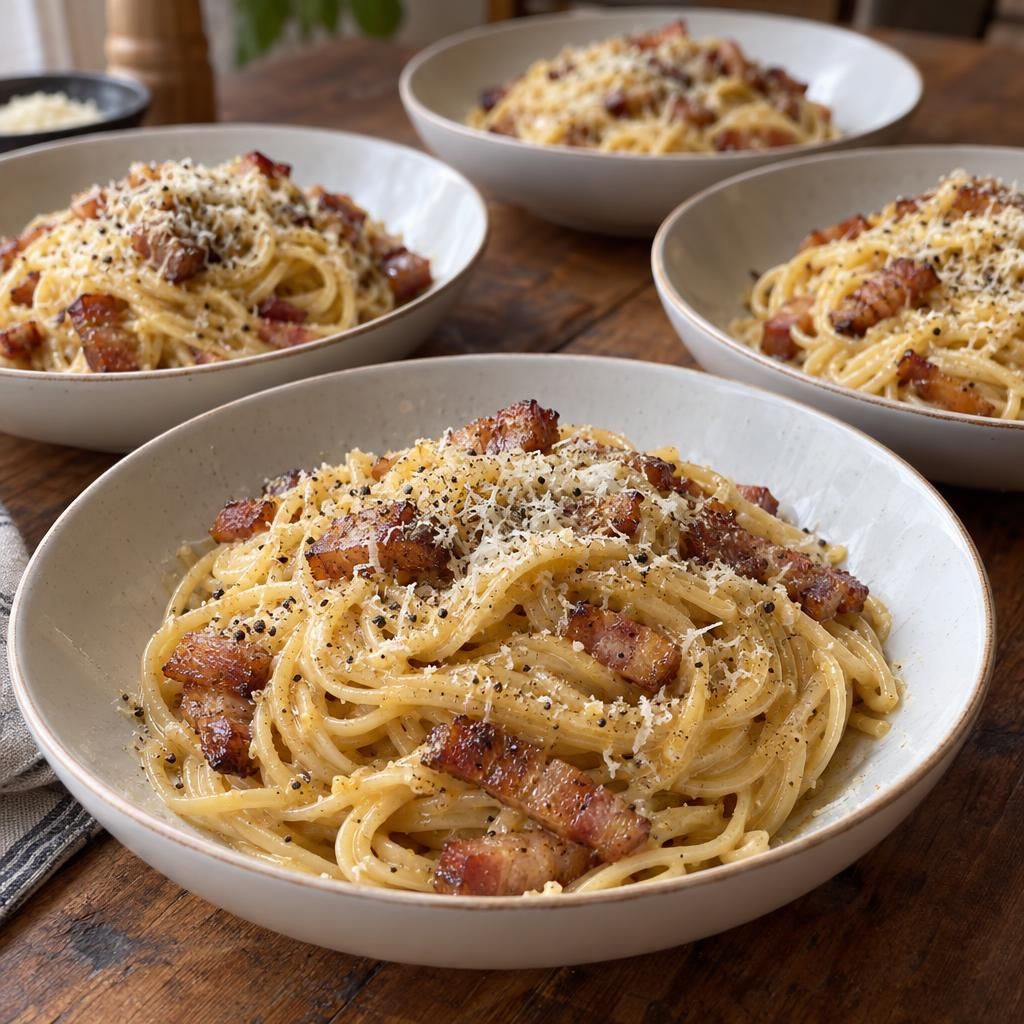
Spaghetti with browned thick-cut pork bacon and a glossy sauce of whole eggs, egg yolks, Parmesan, Pecorino Romano and black pepper. Gentle finishing heat keeps the sauce creamy without cream.

  • carbonara
  • Italian
  • italian cuisine
  • meat
  • pasta
  • pasta dish
  • serves four

$12.35

Per Serving

$3.09

Prep

10 min

Cook

25 min

Difficulty

medium

Ingredients and shopping

Servings

$38.26

7 to buy · 1 you have

32% used in this recipe$25.91 unused

Steps

Centered stainless-steel balloon whisk on a light neutral background.Whisk
Centered studio photograph of a set of stainless steel measuring spoons on a pale neutral background.Measuring Spoons
Centered studio photograph of a complete kitchen knife with a steel blade and dark handle on a light neutral background.Knife
Centered rectangular wooden cutting board photographed against a plain light background.Cutting Board
Centered pair of stainless-steel kitchen tongs on a light neutral background.Tongs
Centered unbranded instant-read thermometer with a dark digital body and stainless-steel probe on a light neutral background.Instant-read thermometer
A centered pair of quilted gray oven mitts on a light neutral background.Oven mitts
Centered stainless-steel fine grater on a light neutral studio background.Fine grater
Centered 12-inch skillet with a dark cooking surface, long handle, and helper handle photographed against a neutral light background.12-inch skillet
Centered studio photograph of a complete stainless-steel 6-quart pot with side handles and fitted lid on a neutral light background.6-quart pot
4-quart stainless-steel bowl, secure fit over pot
Heatproof 2-cup measuring jug
1

Prepare the ingredients and cooking water

Centered studio photograph of a set of stainless steel measuring spoons on a pale neutral background.Measuring Spoons
Centered studio photograph of a complete kitchen knife with a steel blade and dark handle on a light neutral background.Knife
Centered rectangular wooden cutting board photographed against a plain light background.Cutting Board
Centered stainless-steel fine grater on a light neutral studio background.Fine grater
Centered studio photograph of a complete stainless-steel 6-quart pot with side handles and fitted lid on a neutral light background.6-quart pot

Wash your hands with soap and water for 20 seconds before starting and after handling raw bacon and eggs. Cut the bacon and finely grate both cheeses. Bring the 3 quarts of water and the salt to a boil in the pot.

Clean the knife, cutting board, and work surfaces after raw bacon contact.

2

Brown the bacon

Centered studio photograph of a set of stainless steel measuring spoons on a pale neutral background.Measuring Spoons
Centered 12-inch skillet with a dark cooking surface, long handle, and helper handle photographed against a neutral light background.12-inch skillet

Place the bacon in the unheated skillet. Cook over medium heat, stirring frequently, for 10–12 minutes, until browned with crisp edges and the fat has rendered. Remove the skillet from the burner. Carefully spoon off excess fat, leaving 2 tablespoons of rendered fat with the bacon.

Take care to avoid splashes when spooning hot rendered bacon fat.

3

Mix the eggs and cheeses

Centered stainless-steel balloon whisk on a light neutral background.Whisk
Centered studio photograph of a set of stainless steel measuring spoons on a pale neutral background.Measuring Spoons
4-quart stainless-steel bowl, secure fit over pot

In the stainless-steel bowl, whisk together the whole eggs, egg yolks, Parmesan, Pecorino Romano and black pepper. The mixture will be thick. Keep the bowl away from heat.

Wash hands and utensils after handling the raw egg mixture.

4

Cook the spaghetti and temper the eggs

Centered stainless-steel balloon whisk on a light neutral background.Whisk
Centered studio photograph of a set of stainless steel measuring spoons on a pale neutral background.Measuring Spoons
Centered studio photograph of a complete stainless-steel 6-quart pot with side handles and fitted lid on a neutral light background.6-quart pot
4-quart stainless-steel bowl, secure fit over pot
Heatproof 2-cup measuring jug

Add the spaghetti to the boiling water and cook, stirring occasionally, until al dente, following the package timing. About 1 minute before it is ready, scoop out 1 1/2 cups of the starchy cooking water. Let this reserved water stand for about 1 minute, then gradually whisk 2 tablespoons into the egg-and-cheese mixture. These 2 tablespoons are part of the 1/2-cup sauce-base allocation.

Scoop hot pasta water carefully to avoid burns or splashes.

5

Toss the spaghetti with the bacon

Centered pair of stainless-steel kitchen tongs on a light neutral background.Tongs
Centered 12-inch skillet with a dark cooking surface, long handle, and helper handle photographed against a neutral light background.12-inch skillet
Centered studio photograph of a complete stainless-steel 6-quart pot with side handles and fitted lid on a neutral light background.6-quart pot

Using tongs, transfer the hot spaghetti directly into the skillet with the bacon, allowing excess water to drip back into the pot. Keep the skillet off direct heat and toss for about 30 seconds to coat the spaghetti with the bacon fat. Leave the remaining cooking water in the pot for the gentle warming step.

Transfer the hot spaghetti carefully; pasta water and bacon fat can splash.

6

Form the glossy sauce

Centered studio photograph of a set of stainless steel measuring spoons on a pale neutral background.Measuring Spoons
Centered pair of stainless-steel kitchen tongs on a light neutral background.Tongs
Centered 12-inch skillet with a dark cooking surface, long handle, and helper handle photographed against a neutral light background.12-inch skillet
4-quart stainless-steel bowl, secure fit over pot

Immediately transfer the spaghetti, bacon and skillet juices into the bowl containing the egg-and-cheese mixture. Keep the bowl off direct heat and toss promptly and continuously for about 1 minute. Gradually add 6 tablespoons of the reserved pasta water, 1 tablespoon at a time, tossing thoroughly after each addition, to make the sauce smooth and glossy. Together with the 2 tablespoons used for tempering, this completes the 1/2-cup sauce-base allocation. If needed, add water from the remaining 1-cup optional adjustment allowance, 1 tablespoon at a time. This allowance is shared across this step and steps 7–8; stop adding water when the sauce coats the strands without becoming watery.

Do not taste the egg sauce until it has reached 160°F.

7

Check the temperature and gently finish

Centered studio photograph of a set of stainless steel measuring spoons on a pale neutral background.Measuring Spoons
Centered pair of stainless-steel kitchen tongs on a light neutral background.Tongs
Centered unbranded instant-read thermometer with a dark digital body and stainless-steel probe on a light neutral background.Instant-read thermometer
A centered pair of quilted gray oven mitts on a light neutral background.Oven mitts
Centered studio photograph of a complete stainless-steel 6-quart pot with side handles and fitted lid on a neutral light background.6-quart pot
4-quart stainless-steel bowl, secure fit over pot
Heatproof 2-cup measuring jug

Check the temperature in the center of the sauced pasta with a clean instant-read thermometer; the egg sauce must reach 160°F. If it is cooler, carefully pour off enough water from the pot so the bowl can rest securely over it without touching the water. Bring the remaining water to a gentle simmer, then set the bowl over the pot. Toss constantly, adding water from the shared 1-cup optional adjustment allowance, 1 tablespoon at a time, if the sauce tightens. As soon as the sauce reaches 160°F, use oven mitts to remove the bowl. Do not place the bowl directly on a burner.

Avoid scalding steam and hot water; use oven mitts when removing the bowl and clean the thermometer before and after use.

8

Adjust the consistency and serve

Centered studio photograph of a set of stainless steel measuring spoons on a pale neutral background.Measuring Spoons
Centered pair of stainless-steel kitchen tongs on a light neutral background.Tongs
4-quart stainless-steel bowl, secure fit over pot

Give the pasta a final toss. If necessary, loosen the sauce with water left in the shared 1-cup optional adjustment allowance, adding it 1 tablespoon at a time. The sauce should flow around the spaghetti rather than sit in thick clumps. Divide the entire dish evenly among four bowls and serve immediately.

9

How did it turn out?

Rating and review tools are unavailable right now.

Recipe facts

Cuisine
Italian

Make a bundle with Spaghetti Carbonara

Add meals that share its groceries.