Spinach and Ricotta Gnudi

Servings: 4 · Prep: 30 min · Cook: 30 min · Total: 100 min

Ingredients

  • 1 pound Whole-milk ricotta cheese
  • 10 ounces Fresh spinach
  • 2 each Large eggs
  • 3/4 cup All-purpose flour
  • 3/4 cup Parmesan cheese
  • 1/4 cup + 2 tablespoons Unsalted butter
  • 2 tablespoons Fresh sage
  • 4 cups Romaine lettuce
  • 2 cups Arugula
  • 2 tablespoons Extra-virgin olive oil
  • 1 1/2 tablespoons Fresh lemon juice
  • 2 teaspoons Fine salt
  • 12 1/4 cups Water

Equipment

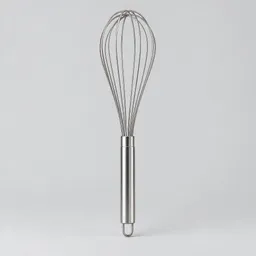
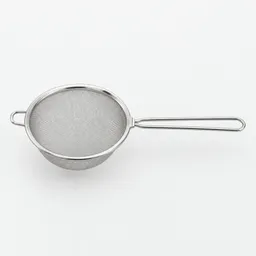
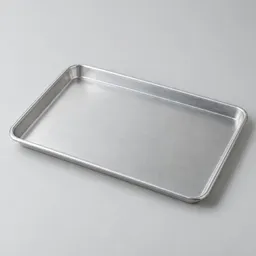
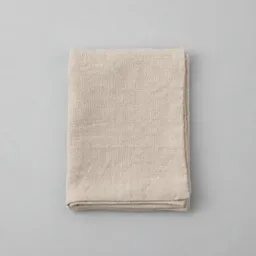
Whisk; Instant-read thermometer; Measuring cups and spoons; Fine-mesh strainer; Slotted spoon; Rimmed baking sheet; Clean kitchen towel; Mixing bowls; Knife and cutting board; 12-inch skillet with lid; 6-quart pot; whisk; instant-read thermometer; measuring cups and spoons; fine-mesh strainer; slotted spoon; rimmed baking sheet; clean kitchen towel; mixing bowls; knife and cutting board

Steps

  1. Drain the ricotta and prepare the greens. Wash your hands with soap and water. Set the ricotta in a fine-mesh strainer over a bowl and refrigerate for 30 minutes to drain. Meanwhile, rinse the spinach, romaine, arugula, and sage under running water unless labeled prewashed, removing damaged portions. Dry the salad greens thoroughly, chop the romaine, slice the sage, and measure the lemon juice. Refrigerate the salad greens until serving.
    • 1 pound ricotta cheese — drained
    • 10 ounces spinach
    • 4 cups romaine lettuce — chopped
    • 2 cups arugula
    • 2 tablespoons sage — thinly sliced
    • 1 1/2 tablespoons lemon juice
  2. Wilt, squeeze, and chop the spinach. Put the spinach and 1/4 cup water in the skillet. Cover and cook over medium heat for 3–4 minutes, stirring once, until completely wilted. Use the slotted spoon to transfer the spinach to a separate mixing bowl and let cool enough to handle, leaving the ricotta in the strainer to finish draining. Wrap the spinach in a clean kitchen towel and squeeze firmly until very little liquid comes out. Finely chop it. Wipe the skillet clean and dry for the sauce.
    • 10 ounces spinach
    • 1/4 cup Water
  3. Mix and chill the dough. In a mixing bowl, combine the drained ricotta, chopped spinach, eggs, 1/2 cup Parmesan, and 3/4 teaspoon salt. Stir until evenly mixed, then gently fold in 1/2 cup flour just until incorporated. The mixture should be soft and slightly tacky, not stiff. Refrigerate for 20 minutes to help it firm up.
    • 1 pound ricotta cheese — drained
    • 2 Each egg
    • 1/2 cup parmesan cheese — finely grated
    • 3/4 teaspoon salt
    • 1/2 cup all-purpose flour

    Do not taste the uncooked mixture; it contains raw eggs and flour. Wash hands and clean utensils and surfaces after handling it.

  4. Prepare the poaching water and shaping tray. Bring the remaining 12 cups water and 1 teaspoon salt to a gentle simmer in the pot. Spread the 2 tablespoons dusting flour over the baking sheet, keeping a little in one corner for lightly flouring your hands.
    • 12 cups Water
    • 1 teaspoon salt
    • 2 tablespoons all-purpose flour

    Use care around the pot as the water heats to a simmer.

  5. Shape and poach a test dumpling. With lightly floured hands, gently shape a heaping tablespoon of dough into an oval about 1 1/2 inches long. Lower this test dumpling into the simmering water. Keep the water moving gently rather than boiling vigorously. Once the dumpling floats, cook for another 3 minutes, approximately 5–7 minutes total. Lift it out carefully with the slotted spoon. It should hold its shape and have a tender, set center; check that its center reaches 160°F before tasting.

    Support the hot dumpling on the slotted spoon while checking its center with a clean thermometer; do not taste until it reaches 160°F.

  6. Adjust the dough and shape the gnudi. If the test dumpling breaks apart, gently fold 1 tablespoon of the reserved flour into the dough and test again. Add the second reserved tablespoon only if needed. If the first dumpling holds together, leave the reserved flour unused. Hand-shape the remaining mixture into approximately 24 gnudi in total, counting the test dumplings, and arrange them on the floured sheet. Use a light touch and avoid kneading.

    Do not taste the uncooked egg-and-flour mixture; wash hands and clean utensils and surfaces after handling it.

  7. Make the sage butter. Melt the butter in the clean skillet over medium-low heat. Add the sage and cook for 2–3 minutes, until fragrant and the butter begins turning pale golden. Remove from the heat while you poach the gnudi.
    • 1/4 cup + 2 tablespoons butter
    • 2 tablespoons sage — thinly sliced
  8. Gently poach the remaining gnudi. Poach the remaining gnudi in three batches, leaving enough space for them to move freely. Maintain a gentle simmer and cook for 3 minutes after they float, approximately 5–7 minutes per batch. Check the center of a dumpling from each batch for 160°F, extending the cooking time if necessary. Lift them out individually, let excess water drain, and carefully place them in the sage butter. Do not shake or toss the skillet.

    Support a dumpling on the slotted spoon and use a clean thermometer from the side to check its center reaches 160°F; take care around the hot poaching water.

  9. Coat the gnudi with sage butter. After the final batch, spoon 2 tablespoons of the hot poaching water into the skillet. Warm over low heat for 1–2 minutes, gently spooning the sage butter over the dumplings until all are hot and coated.

    Add the hot poaching water carefully to the hot skillet to avoid splashing.

  10. Dress the salad. In a clean mixing bowl, whisk together the olive oil, lemon juice, and remaining 1/4 teaspoon salt. Add the romaine and arugula and toss just before serving.
    • 2 tablespoons olive oil
    • 1 1/2 tablespoons lemon juice
    • 1/4 teaspoon salt
    • 4 cups romaine lettuce — chopped
    • 2 cups arugula

    Use clean hands and utensils for the ready-to-eat salad after handling the raw egg-and-flour mixture.

  11. Plate the gnudi and salad. Divide the gnudi and sage butter among four plates. Divide the remaining 1/4 cup Parmesan among all four portions and serve immediately with the salad.
    • 1/4 cup parmesan cheese — finely grated

Notes

Serving yield: 4 servings, each approximately 6 gnudi with sage butter and one-quarter of the salad

Moisture control matters more than adding flour. If the ricotta still looks watery after 30 minutes, continue draining it in the refrigerator until thick and no longer dripping freely; this extends the total time.

Refrigerate cooked gnudi separately from the salad for up to 3–4 days. Reheat gently, covered, until the centers reach 165°F. The dressed salad is best eaten immediately.

Cooking safety

Do not taste uncooked gnudi mixture; it contains raw eggs and flour. Wash hands and clean utensils and surfaces after handling it, especially before preparing the ready-to-eat salad.

Check dumpling temperatures by inserting a clean thermometer into the center from the side while supporting the dumpling on the slotted spoon.

Refrigerate leftovers in covered containers within 2 hours, or within 1 hour when the temperature is above 90°F. Keep the refrigerator at 40°F or below.

https://plumtally.com/recipes/spinach-and-ricotta-gnudi-r8y7hpdjrb8m
Spinach and Ricotta Gnudi

Spinach and Ricotta Gnudi

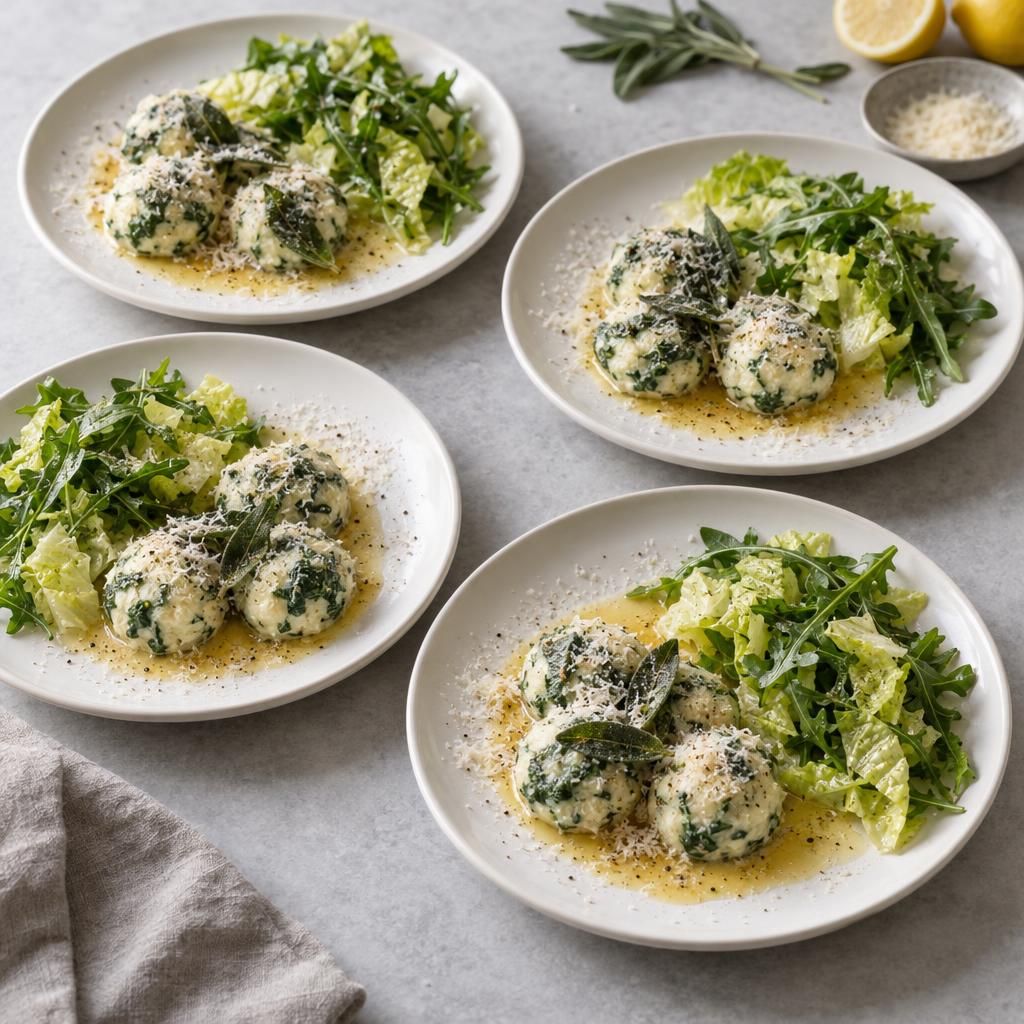
Tender, wrapperless spinach and ricotta dumplings are gently poached and finished with fragrant sage butter. A crisp romaine and arugula salad with lemon dressing balances the rich sauce.

  • dumplings
  • gnudi
  • italian
  • mixed green salad
  • poached
  • poached dumplings
  • vegetarian

$20.56

Per Serving

$5.14

Prep

30 min

Cook

30 min

Difficulty

hard

Ingredients and shopping

Servings

$46.48

12 to buy · 0 you have

44% used in this recipe$25.92 unused

Steps

Centered stainless-steel balloon whisk on a light neutral background.Whisk
Centered unbranded instant-read thermometer with a dark digital body and stainless-steel probe on a light neutral background.Instant-read thermometer
Centered studio photograph of a complete unbranded stainless-steel set of measuring cups and measuring spoons on a neutral light background.Measuring cups and spoons
Centered fine-mesh stainless-steel strainer photographed against a neutral light background.Fine-mesh strainer
Centered studio photograph of a polished stainless-steel slotted spoon on a neutral light background.Slotted spoon
Centered rimmed baking sheet with a raised edge on a neutral light background.Rimmed baking sheet
A neatly folded plain pale beige kitchen towel photographed alone on a light neutral background.Clean kitchen towel
Centered set of three nested stainless-steel mixing bowls on a light neutral background.Mixing bowls
Centered studio photograph of a stainless-steel chef’s knife resting diagonally on a rectangular wooden cutting board against a light neutral background.Knife and cutting board
Centered 12-inch dark metal skillet with matching lid on a neutral light background.12-inch skillet with lid
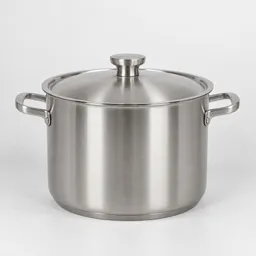
Centered studio photograph of a complete stainless-steel 6-quart pot with side handles and fitted lid on a neutral light background.6-quart pot
1

Drain the ricotta and prepare the greens

Centered studio photograph of a complete unbranded stainless-steel set of measuring cups and measuring spoons on a neutral light background.Measuring cups and spoons
Centered fine-mesh stainless-steel strainer photographed against a neutral light background.Fine-mesh strainer
Centered set of three nested stainless-steel mixing bowls on a light neutral background.Mixing bowls
Centered studio photograph of a stainless-steel chef’s knife resting diagonally on a rectangular wooden cutting board against a light neutral background.Knife and cutting board

Wash your hands with soap and water. Set the ricotta in a fine-mesh strainer over a bowl and refrigerate for 30 minutes to drain. Meanwhile, rinse the spinach, romaine, arugula, and sage under running water unless labeled prewashed, removing damaged portions. Dry the salad greens thoroughly, chop the romaine, slice the sage, and measure the lemon juice. Refrigerate the salad greens until serving.

2

Wilt, squeeze, and chop the spinach

Centered studio photograph of a complete unbranded stainless-steel set of measuring cups and measuring spoons on a neutral light background.Measuring cups and spoons
Centered fine-mesh stainless-steel strainer photographed against a neutral light background.Fine-mesh strainer
Centered studio photograph of a polished stainless-steel slotted spoon on a neutral light background.Slotted spoon
A neatly folded plain pale beige kitchen towel photographed alone on a light neutral background.Clean kitchen towel
Centered set of three nested stainless-steel mixing bowls on a light neutral background.Mixing bowls
Centered studio photograph of a stainless-steel chef’s knife resting diagonally on a rectangular wooden cutting board against a light neutral background.Knife and cutting board
Centered 12-inch dark metal skillet with matching lid on a neutral light background.12-inch skillet with lid

Put the spinach and 1/4 cup water in the skillet. Cover and cook over medium heat for 3–4 minutes, stirring once, until completely wilted. Use the slotted spoon to transfer the spinach to a separate mixing bowl and let cool enough to handle, leaving the ricotta in the strainer to finish draining. Wrap the spinach in a clean kitchen towel and squeeze firmly until very little liquid comes out. Finely chop it. Wipe the skillet clean and dry for the sauce.

3

Mix and chill the dough

Centered studio photograph of a complete unbranded stainless-steel set of measuring cups and measuring spoons on a neutral light background.Measuring cups and spoons
Centered set of three nested stainless-steel mixing bowls on a light neutral background.Mixing bowls

In a mixing bowl, combine the drained ricotta, chopped spinach, eggs, 1/2 cup Parmesan, and 3/4 teaspoon salt. Stir until evenly mixed, then gently fold in 1/2 cup flour just until incorporated. The mixture should be soft and slightly tacky, not stiff. Refrigerate for 20 minutes to help it firm up.

Do not taste the uncooked mixture; it contains raw eggs and flour. Wash hands and clean utensils and surfaces after handling it.

4

Prepare the poaching water and shaping tray

Centered studio photograph of a complete unbranded stainless-steel set of measuring cups and measuring spoons on a neutral light background.Measuring cups and spoons
Centered rimmed baking sheet with a raised edge on a neutral light background.Rimmed baking sheet
Centered studio photograph of a complete stainless-steel 6-quart pot with side handles and fitted lid on a neutral light background.6-quart pot

Bring the remaining 12 cups water and 1 teaspoon salt to a gentle simmer in the pot. Spread the 2 tablespoons dusting flour over the baking sheet, keeping a little in one corner for lightly flouring your hands.

Use care around the pot as the water heats to a simmer.

5

Shape and poach a test dumpling

Centered unbranded instant-read thermometer with a dark digital body and stainless-steel probe on a light neutral background.Instant-read thermometer
Centered studio photograph of a complete unbranded stainless-steel set of measuring cups and measuring spoons on a neutral light background.Measuring cups and spoons
Centered studio photograph of a polished stainless-steel slotted spoon on a neutral light background.Slotted spoon
Centered set of three nested stainless-steel mixing bowls on a light neutral background.Mixing bowls
Centered studio photograph of a complete stainless-steel 6-quart pot with side handles and fitted lid on a neutral light background.6-quart pot

With lightly floured hands, gently shape a heaping tablespoon of dough into an oval about 1 1/2 inches long. Lower this test dumpling into the simmering water. Keep the water moving gently rather than boiling vigorously. Once the dumpling floats, cook for another 3 minutes, approximately 5–7 minutes total. Lift it out carefully with the slotted spoon. It should hold its shape and have a tender, set center; check that its center reaches 160°F before tasting.

Support the hot dumpling on the slotted spoon while checking its center with a clean thermometer; do not taste until it reaches 160°F.

6

Adjust the dough and shape the gnudi

Centered studio photograph of a complete unbranded stainless-steel set of measuring cups and measuring spoons on a neutral light background.Measuring cups and spoons
Centered rimmed baking sheet with a raised edge on a neutral light background.Rimmed baking sheet
Centered set of three nested stainless-steel mixing bowls on a light neutral background.Mixing bowls

If the test dumpling breaks apart, gently fold 1 tablespoon of the reserved flour into the dough and test again. Add the second reserved tablespoon only if needed. If the first dumpling holds together, leave the reserved flour unused. Hand-shape the remaining mixture into approximately 24 gnudi in total, counting the test dumplings, and arrange them on the floured sheet. Use a light touch and avoid kneading.

Do not taste the uncooked egg-and-flour mixture; wash hands and clean utensils and surfaces after handling it.

7

Make the sage butter

Centered studio photograph of a complete unbranded stainless-steel set of measuring cups and measuring spoons on a neutral light background.Measuring cups and spoons
Centered 12-inch dark metal skillet with matching lid on a neutral light background.12-inch skillet with lid

Melt the butter in the clean skillet over medium-low heat. Add the sage and cook for 2–3 minutes, until fragrant and the butter begins turning pale golden. Remove from the heat while you poach the gnudi.

8

Gently poach the remaining gnudi

Centered unbranded instant-read thermometer with a dark digital body and stainless-steel probe on a light neutral background.Instant-read thermometer
Centered studio photograph of a polished stainless-steel slotted spoon on a neutral light background.Slotted spoon
Centered 12-inch dark metal skillet with matching lid on a neutral light background.12-inch skillet with lid
Centered studio photograph of a complete stainless-steel 6-quart pot with side handles and fitted lid on a neutral light background.6-quart pot

Poach the remaining gnudi in three batches, leaving enough space for them to move freely. Maintain a gentle simmer and cook for 3 minutes after they float, approximately 5–7 minutes per batch. Check the center of a dumpling from each batch for 160°F, extending the cooking time if necessary. Lift them out individually, let excess water drain, and carefully place them in the sage butter. Do not shake or toss the skillet.

Support a dumpling on the slotted spoon and use a clean thermometer from the side to check its center reaches 160°F; take care around the hot poaching water.

9

Coat the gnudi with sage butter

Centered studio photograph of a complete unbranded stainless-steel set of measuring cups and measuring spoons on a neutral light background.Measuring cups and spoons
Centered 12-inch dark metal skillet with matching lid on a neutral light background.12-inch skillet with lid
Centered studio photograph of a complete stainless-steel 6-quart pot with side handles and fitted lid on a neutral light background.6-quart pot

After the final batch, spoon 2 tablespoons of the hot poaching water into the skillet. Warm over low heat for 1–2 minutes, gently spooning the sage butter over the dumplings until all are hot and coated.

Add the hot poaching water carefully to the hot skillet to avoid splashing.

10

Dress the salad

Centered stainless-steel balloon whisk on a light neutral background.Whisk
Centered studio photograph of a complete unbranded stainless-steel set of measuring cups and measuring spoons on a neutral light background.Measuring cups and spoons
Centered set of three nested stainless-steel mixing bowls on a light neutral background.Mixing bowls

In a clean mixing bowl, whisk together the olive oil, lemon juice, and remaining 1/4 teaspoon salt. Add the romaine and arugula and toss just before serving.

Use clean hands and utensils for the ready-to-eat salad after handling the raw egg-and-flour mixture.

11

Plate the gnudi and salad

Divide the gnudi and sage butter among four plates. Divide the remaining 1/4 cup Parmesan among all four portions and serve immediately with the salad.

12

How did it turn out?

Rating and review tools are unavailable right now.

Recipe facts

Cuisine
Italian

Part of these meal bundles

Make a bundle with Spinach and Ricotta Gnudi

Add meals that share its groceries.