Malai Kofta with Basmati Rice

Servings: 4 · Prep: 35 min · Cook: 80 min · Total: 115 min

Ingredients

  • 1 pound Russet potatoes
  • 8 ounces Paneer
  • 1/4 cup Cornstarch
  • 1 Yellow onion
  • about 1 3/4 cups + 2 tablespoons (12 ounces) Ripe Roma tomatoes
  • 4 Garlic cloves
  • 1 tablespoon Fresh ginger
  • 1/2 cup Raw unsalted cashews
  • 1/2 cup Heavy cream
  • 1 1/2 teaspoons Ground cumin
  • 2 teaspoons Ground coriander
  • 1 1/4 teaspoons Garam masala
  • 2 1/2 teaspoons Fine sea salt
  • 1 1/2 cups White basmati rice
  • 4 cups (4 1/4 cups) Canola oil
  • 12 cups Water

Equipment

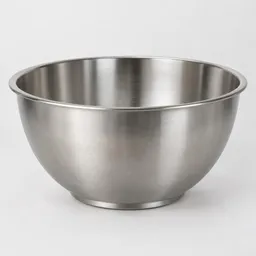
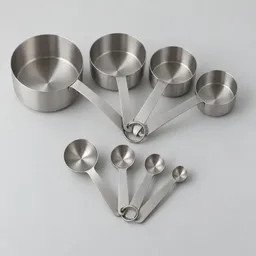
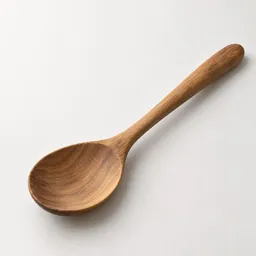
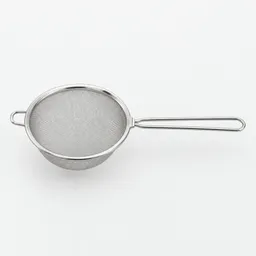
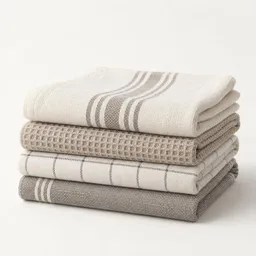
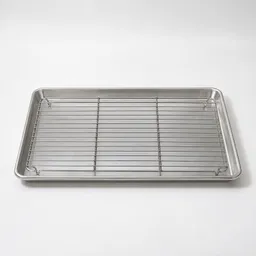
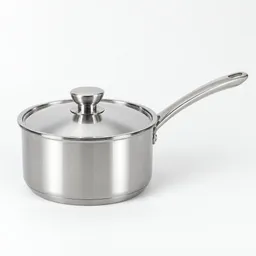
Colander; Large mixing bowl; Fork; Measuring cups and spoons; Wooden spoon; Fine-mesh strainer; Slotted spoon; Deep-fry thermometer; Potato masher; Paring knife; Large plate; Clean kitchen towels; Instant-read food thermometer; Wire rack set over a rimmed baking sheet; 2-quart saucepan with tight-fitting lid; Vegetable brush; 12-inch deep skillet with lid; Chef's knife and cutting board; Heavy 3-quart saucepan with a metal lid; Countertop blender with removable lid cap; colander; large mixing bowl; fork; measuring cups and spoons; wooden spoon; fine-mesh strainer; slotted spoon; deep-fry thermometer; potato masher; paring knife; large plate; clean kitchen towels; instant-read food thermometer; wire rack set over a rimmed baking sheet; vegetable brush

Steps

  1. Wash and prepare the vegetables. Rinse the potatoes, tomatoes, onion and ginger under cool running water without soap, scrubbing the potatoes with the vegetable brush, and cut away any bruised or damaged spots. Dry the tomatoes, onion and ginger with a clean kitchen towel. Peel and roughly chop the onion, core and roughly chop the tomatoes, peel the garlic, and peel and chop the ginger.
    • 1 pound potato
    • about 1 3/4 cups + 2 tablespoons (12 ounces) roma tomato — cored and roughly chopped
    • 1 onion — peeled and roughly chopped
    • 1 tablespoon ginger — peeled and chopped
    • 4 garlic — peeled
  2. Rinse the basmati rice. Put the rice in the fine-mesh strainer and rinse it under cold running water, swishing with your fingers, until the water runs nearly clear, about 1 minute. Drain well, tip the rice into the 2-quart saucepan and set it aside. Rinse the strainer for later use.
    • 1 1/2 cups basmati rice
  3. Boil and dry the potatoes. Place the whole, unpeeled potatoes in the heavy 3-quart saucepan and add 8 cups water. Bring to a boil over high heat, then lower the heat to medium and simmer until a paring knife slides into the center of the largest potato with no resistance, 25 to 35 minutes depending on size. Drain in the colander and let the potatoes steam dry until cool enough to handle, about 10 minutes.
    • 1 pound potato
    • 8 cups Water

    Use care when draining the boiling potatoes and handling the escaping steam.

  4. Cook the onion and spices. While the potatoes cook, heat 2 tablespoons canola oil in the 12-inch deep skillet over medium heat. Add the onion and cook, stirring often, until very soft and pale golden at the edges, 8 to 10 minutes; lower the heat if it browns quickly. Add the garlic and ginger and cook for 1 minute. Stir in 1 teaspoon ground cumin and the 2 teaspoons ground coriander and cook until fragrant, about 30 seconds.
    • 2 tablespoons canola oil
    • 1 onion — peeled and roughly chopped
    • 4 garlic — peeled
    • 1 tablespoon ginger — peeled and chopped
    • 1 teaspoon cumin
    • 2 teaspoons coriander
  5. Simmer the tomatoes and cashews. Add the tomatoes and 1 teaspoon salt and cook, stirring occasionally, until the tomatoes slump and release their juices, about 5 minutes. Stir in the cashews and 1 cup water and bring to a simmer. Cover, reduce the heat to medium-low and cook for 15 minutes, until the tomatoes have completely broken down and a cashew crushes easily when pressed against the side of the pan with the spoon. Remove from the heat, uncover and let cool for 10 minutes.
    • about 1 3/4 cups + 2 tablespoons (12 ounces) roma tomato — cored and roughly chopped
    • 1 teaspoon salt
    • 1/2 cup cashews
    • 1 cup Water
  6. Mash and cool the potatoes. While the gravy base simmers, peel the warm potatoes with the paring knife and mash them in the large mixing bowl until completely smooth, with no lumps. Spread the mash up the sides of the bowl and let it cool to room temperature, about 15 minutes. Warm potato makes a sticky mixture that is hard to shape.
    • 1 pound potato
  7. Blend and strain the gravy. Transfer the cooled gravy base to the blender, filling the jar no more than half full and working in two batches if necessary. Remove the center cap from the lid, cover the opening with a folded kitchen towel and blend, starting on low speed and increasing to high, until completely smooth and silky, 1 to 2 minutes. Set the strainer over the skillet and pour the gravy through it, pressing with the spoon. Swirl 1/2 cup water in the blender jar to rinse it and pour that through the strainer as well. Discard the solids left in the strainer and set the skillet aside off the heat.
    • 1/2 cup Water

    Blend only the cooled gravy base in batches no more than half full; vent the lid and hold a folded towel over the opening.

  8. Shape the kofta. Pat the paneer dry with a clean kitchen towel and crumble it finely into the bowl of cooled potatoes. Add 3 tablespoons cornstarch, 3/4 teaspoon salt, 1/2 teaspoon ground cumin and 1/4 teaspoon garam masala. With clean, dry hands, knead for 1 to 2 minutes, until the mixture forms a smooth, soft dough that holds together and does not stick to your palms. Divide it into 16 equal portions and roll each firmly into a smooth ball with no cracks. Set the balls on the large plate.
    • 8 ounces paneer — patted dry and finely crumbled
    • 3 tablespoons cornstarch
    • 3/4 teaspoon salt
    • 1/2 teaspoon cumin
    • 1/4 teaspoon garam masala

    Wash hands and keep work surfaces clean; do not taste the uncooked mixture containing raw cornstarch.

  9. Steam the basmati rice. Add 2 1/4 cups water and 1/2 teaspoon salt to the rice in the 2-quart saucepan. Bring to a boil over medium-high heat, stir once, cover tightly and reduce the heat to the lowest setting. Cook for 12 minutes without lifting the lid, then remove from the heat and let stand, covered, for at least 10 minutes. Leave the rice covered until serving.
    • 2 1/4 cups Water
    • 1/2 teaspoon salt
  10. Test-fry one kofta. While the rice cooks, wash the 3-quart saucepan and dry it completely, inside and out. Pour in 4 cups canola oil, attach the clean, dry deep-fry thermometer and heat over medium heat to 350°F. Using the slotted spoon, gently lower 1 dumpling into the oil. Leave it undisturbed for 1 minute, then fry, turning it gently, until deep golden all over, 3 to 4 minutes in total. Lift it onto the wire rack. If it has held its shape with no cracks, continue to the next step. If it has cracked or shed crumbs into the oil, return the remaining balls to the bowl, knead in the reserved 1 tablespoon cornstarch and reroll them firmly.
    • 4 cups canola oil
    • 1 tablespoon cornstarch

    Keep the pan, thermometer and spoon completely dry, and never fill the pan more than halfway with oil. Lower the dumpling gently away from you and never leave hot oil unattended.

  11. Fry the remaining kofta. Fry the remaining 15 dumplings in 3 batches of 5, for 3 to 4 minutes per batch, turning them gently after the first minute. Adjust the heat to keep the oil between 340°F and 360°F, and let it return to 350°F before adding each batch. Drain the fried kofta on the wire rack. Turn off the heat and leave the oil in the pan on a back burner to cool completely.

    Turn off the heat and let the frying oil cool completely before moving or handling it.

  12. Finish the creamy gravy. Return the skillet of gravy to medium-low heat and bring it to a gentle simmer, stirring often. Stir in 1 teaspoon garam masala and 6 tablespoons heavy cream and simmer for 3 to 4 minutes, until the gravy lightly coats the back of the spoon. If it is too thick to pour easily, stir in the reserved 1/4 cup water. Taste, and stir in the reserved 1/4 teaspoon salt if the gravy needs it.
    • 1 teaspoon garam masala
    • 1/4 cup + 2 tablespoons cream
    • 1/4 cup Water
    • 1/4 teaspoon salt
  13. Combine and serve. Just before serving, nestle the fried kofta into the simmering gravy in a single layer and spoon some gravy over the tops. Heat for 1 to 2 minutes without stirring, so the dumplings keep their shape. Drizzle the remaining 2 tablespoons heavy cream over the whole pan, to be shared among all four portions. Fluff the rice with the fork and divide it among 4 plates. Serve each portion with 4 kofta and a quarter of the gravy.
    • 2 tablespoons cream

    If serving is delayed, keep the gravy and rice at 140°F or above and add the kofta just before serving.

Notes

Serving yield: 4 servings; one portion is 4 kofta with about 3/4 cup gravy and about 1 cup steamed basmati rice.

A dry mixture is the key to kofta that hold together. Boil the potatoes whole in their skins, let them steam dry, cool the mash completely and pat the paneer dry before mixing.

Roll the balls firmly until the surface is smooth, because any crack tends to open up in the hot oil. Oil below about 325°F can also cause the kofta to absorb oil and break apart, so check the thermometer before each batch.

The kofta soften quickly once they sit in the gravy. If you expect leftovers, add only the dumplings you plan to eat and store the rest separately.

To make ahead, prepare the gravy through step 7 and fry the kofta up to 1 day in advance, then refrigerate them in separate sealed containers. Rewarm the kofta on the wire rack over the baking sheet in a preheated 350°F oven until their centers reach at least 165°F. Treat 8 to 10 minutes as an initial estimate, check the centers of several dumplings with an instant-read food thermometer, and continue heating if necessary before adding them to the gravy. While the kofta reheat, bring the refrigerated gravy base to a boil, stirring, then finish the gravy as directed in step 12.

The gravy without kofta can be frozen in a sealed container for 2 to 3 months for best quality. Thaw it in the refrigerator and bring it to a boil while stirring well to bring it back together.

Cooking safety

Wash your hands with soap and water before kneading and shaping the kofta, and keep work surfaces clean throughout.

The uncooked kofta mixture contains raw cornstarch, so do not taste it before frying.

Never fill the frying pan more than half full of oil. Make sure the pan, thermometer and slotted spoon are completely dry, because water makes hot oil spatter violently.

Lower the dumplings into the oil gently and away from you, and never leave hot oil unattended. If the oil begins to smoke, turn off the heat.

If the oil catches fire, cover the pan with a metal lid and turn off the heat. Never pour water on an oil fire.

Let the frying oil cool completely before moving, straining or discarding it.

Hot liquids expand in a blender. Let the gravy base cool for 10 minutes, fill the jar no more than half full, vent the lid and hold a folded towel over the opening while blending.

If you are not serving immediately, keep the gravy and rice hot at 140°F or above, and add the kofta to the gravy only at the last moment.

Refrigerate leftover gravy, kofta and rice in separate sealed containers within 2 hours of cooking, or within 1 hour if the room is above 90°F. Keep the refrigerator at 40°F or below and eat leftovers within 3 to 4 days, reheating them until steaming hot throughout (165°F), verified with an instant-read food thermometer.

https://plumtally.com/recipes/malai-kofta-with-basmati-rice-r3rzw8mceahb
Malai Kofta with Basmati Rice

Malai Kofta with Basmati Rice

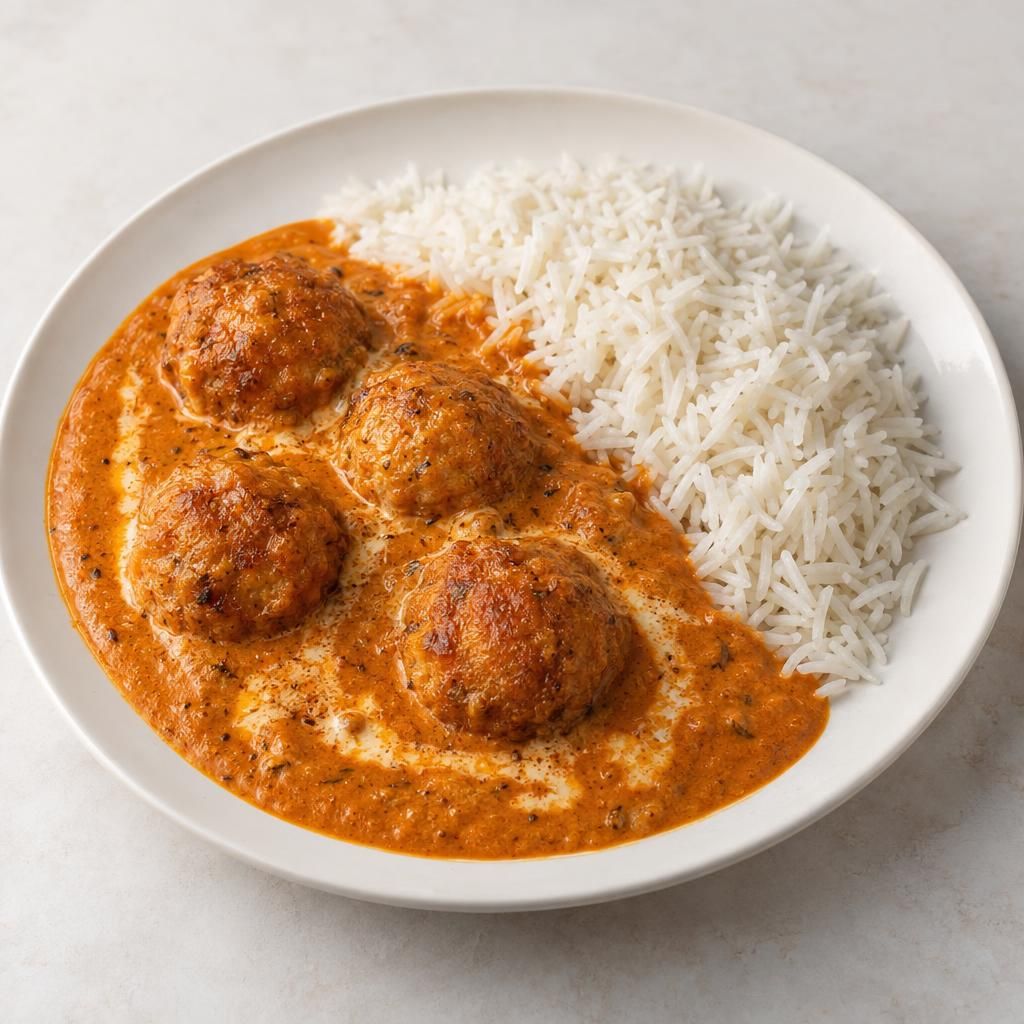
Golden fried potato and paneer dumplings served in a silky tomato, onion, cashew and cream gravy, with steamed basmati rice alongside. Mildly spiced with cumin, coriander and garam masala, it makes a rich vegetarian main course.

Kroger

$20.89

Per Serving

$5.22

Prep

35 min

Cook

80 min

Difficulty

hard

Ingredients and shopping

Servings

$67.08

15 to buy · 0 you have

31% used in this recipe$46.19 unused

Steps

Centered stainless-steel kitchen colander on a light neutral background.Colander
Large brushed stainless steel mixing bowl centered against a light neutral background.Large mixing bowl
Centered stainless-steel fork on a neutral light-gray background.Fork
Centered studio photograph of a complete unbranded stainless-steel set of measuring cups and measuring spoons on a neutral light background.Measuring cups and spoons
A single natural wooden spoon centered on a light neutral background.Wooden spoon
Centered fine-mesh stainless-steel strainer photographed against a neutral light background.Fine-mesh strainer
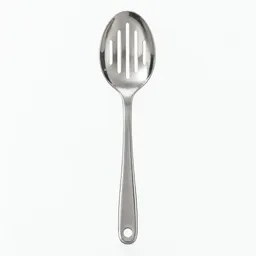
Centered studio photograph of a polished stainless-steel slotted spoon on a neutral light background.Slotted spoon
Centered studio photograph of a long stainless-steel deep-fry thermometer with a round unmarked dial housing and pot clip on a light neutral background.Deep-fry thermometer
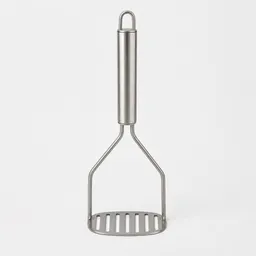
Centered stainless-steel potato masher photographed against a plain light neutral background.Potato masher
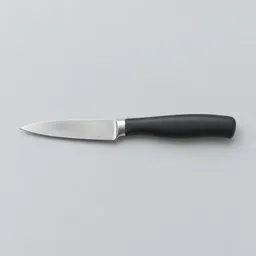
Complete unbranded paring knife centered on a light neutral background with soft studio lighting.Paring knife
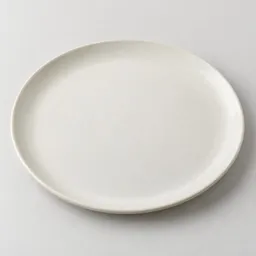
Centered large off-white ceramic dinner plate photographed against a neutral light background.Large plate
Neatly folded stack of clean kitchen towels photographed against a plain light background.Clean kitchen towels
Unbranded instant-read food thermometer with a stainless-steel probe and dark handle, centered on a neutral light background.Instant-read food thermometer
Centered stainless-steel wire rack resting inside a rimmed aluminum baking sheet on a light neutral background.Wire rack set over a rimmed baking sheet
Centered 2-quart stainless-steel saucepan with a tight-fitting lid and long handle on a neutral light background.2-quart saucepan with tight-fitting lid
Centered unbranded vegetable brush with a light wooden handle and dense natural bristles on a neutral light background.Vegetable brush
12-inch deep skillet with lid
Chef's knife and cutting board
Heavy 3-quart saucepan with a metal lid
Countertop blender with removable lid cap
1

Wash and prepare the vegetables

Complete unbranded paring knife centered on a light neutral background with soft studio lighting.Paring knife
Neatly folded stack of clean kitchen towels photographed against a plain light background.Clean kitchen towels
Centered unbranded vegetable brush with a light wooden handle and dense natural bristles on a neutral light background.Vegetable brush
Chef's knife and cutting board

Rinse the potatoes, tomatoes, onion and ginger under cool running water without soap, scrubbing the potatoes with the vegetable brush, and cut away any bruised or damaged spots. Dry the tomatoes, onion and ginger with a clean kitchen towel. Peel and roughly chop the onion, core and roughly chop the tomatoes, peel the garlic, and peel and chop the ginger.

2

Rinse the basmati rice

Centered fine-mesh stainless-steel strainer photographed against a neutral light background.Fine-mesh strainer
Centered 2-quart stainless-steel saucepan with a tight-fitting lid and long handle on a neutral light background.2-quart saucepan with tight-fitting lid

Put the rice in the fine-mesh strainer and rinse it under cold running water, swishing with your fingers, until the water runs nearly clear, about 1 minute. Drain well, tip the rice into the 2-quart saucepan and set it aside. Rinse the strainer for later use.

3

Boil and dry the potatoes

Centered stainless-steel kitchen colander on a light neutral background.Colander
Complete unbranded paring knife centered on a light neutral background with soft studio lighting.Paring knife
Heavy 3-quart saucepan with a metal lid

Place the whole, unpeeled potatoes in the heavy 3-quart saucepan and add 8 cups water. Bring to a boil over high heat, then lower the heat to medium and simmer until a paring knife slides into the center of the largest potato with no resistance, 25 to 35 minutes depending on size. Drain in the colander and let the potatoes steam dry until cool enough to handle, about 10 minutes.

Use care when draining the boiling potatoes and handling the escaping steam.

4

Cook the onion and spices

Centered studio photograph of a complete unbranded stainless-steel set of measuring cups and measuring spoons on a neutral light background.Measuring cups and spoons
A single natural wooden spoon centered on a light neutral background.Wooden spoon
12-inch deep skillet with lid

While the potatoes cook, heat 2 tablespoons canola oil in the 12-inch deep skillet over medium heat. Add the onion and cook, stirring often, until very soft and pale golden at the edges, 8 to 10 minutes; lower the heat if it browns quickly. Add the garlic and ginger and cook for 1 minute. Stir in 1 teaspoon ground cumin and the 2 teaspoons ground coriander and cook until fragrant, about 30 seconds.

5

Simmer the tomatoes and cashews

Centered studio photograph of a complete unbranded stainless-steel set of measuring cups and measuring spoons on a neutral light background.Measuring cups and spoons
A single natural wooden spoon centered on a light neutral background.Wooden spoon
12-inch deep skillet with lid

Add the tomatoes and 1 teaspoon salt and cook, stirring occasionally, until the tomatoes slump and release their juices, about 5 minutes. Stir in the cashews and 1 cup water and bring to a simmer. Cover, reduce the heat to medium-low and cook for 15 minutes, until the tomatoes have completely broken down and a cashew crushes easily when pressed against the side of the pan with the spoon. Remove from the heat, uncover and let cool for 10 minutes.

6

Mash and cool the potatoes

Large brushed stainless steel mixing bowl centered against a light neutral background.Large mixing bowl
Centered stainless-steel potato masher photographed against a plain light neutral background.Potato masher
Complete unbranded paring knife centered on a light neutral background with soft studio lighting.Paring knife

While the gravy base simmers, peel the warm potatoes with the paring knife and mash them in the large mixing bowl until completely smooth, with no lumps. Spread the mash up the sides of the bowl and let it cool to room temperature, about 15 minutes. Warm potato makes a sticky mixture that is hard to shape.

7

Blend and strain the gravy

A single natural wooden spoon centered on a light neutral background.Wooden spoon
Centered fine-mesh stainless-steel strainer photographed against a neutral light background.Fine-mesh strainer
Neatly folded stack of clean kitchen towels photographed against a plain light background.Clean kitchen towels
12-inch deep skillet with lid
Countertop blender with removable lid cap

Transfer the cooled gravy base to the blender, filling the jar no more than half full and working in two batches if necessary. Remove the center cap from the lid, cover the opening with a folded kitchen towel and blend, starting on low speed and increasing to high, until completely smooth and silky, 1 to 2 minutes. Set the strainer over the skillet and pour the gravy through it, pressing with the spoon. Swirl 1/2 cup water in the blender jar to rinse it and pour that through the strainer as well. Discard the solids left in the strainer and set the skillet aside off the heat.

Blend only the cooled gravy base in batches no more than half full; vent the lid and hold a folded towel over the opening.

8

Shape the kofta

Large brushed stainless steel mixing bowl centered against a light neutral background.Large mixing bowl
Centered studio photograph of a complete unbranded stainless-steel set of measuring cups and measuring spoons on a neutral light background.Measuring cups and spoons
Centered large off-white ceramic dinner plate photographed against a neutral light background.Large plate
Neatly folded stack of clean kitchen towels photographed against a plain light background.Clean kitchen towels

Pat the paneer dry with a clean kitchen towel and crumble it finely into the bowl of cooled potatoes. Add 3 tablespoons cornstarch, 3/4 teaspoon salt, 1/2 teaspoon ground cumin and 1/4 teaspoon garam masala. With clean, dry hands, knead for 1 to 2 minutes, until the mixture forms a smooth, soft dough that holds together and does not stick to your palms. Divide it into 16 equal portions and roll each firmly into a smooth ball with no cracks. Set the balls on the large plate.

Wash hands and keep work surfaces clean; do not taste the uncooked mixture containing raw cornstarch.

9

Steam the basmati rice

Centered studio photograph of a complete unbranded stainless-steel set of measuring cups and measuring spoons on a neutral light background.Measuring cups and spoons
A single natural wooden spoon centered on a light neutral background.Wooden spoon
Centered 2-quart stainless-steel saucepan with a tight-fitting lid and long handle on a neutral light background.2-quart saucepan with tight-fitting lid

Add 2 1/4 cups water and 1/2 teaspoon salt to the rice in the 2-quart saucepan. Bring to a boil over medium-high heat, stir once, cover tightly and reduce the heat to the lowest setting. Cook for 12 minutes without lifting the lid, then remove from the heat and let stand, covered, for at least 10 minutes. Leave the rice covered until serving.

10

Test-fry one kofta

Large brushed stainless steel mixing bowl centered against a light neutral background.Large mixing bowl
Centered studio photograph of a complete unbranded stainless-steel set of measuring cups and measuring spoons on a neutral light background.Measuring cups and spoons
Centered studio photograph of a polished stainless-steel slotted spoon on a neutral light background.Slotted spoon
Centered studio photograph of a long stainless-steel deep-fry thermometer with a round unmarked dial housing and pot clip on a light neutral background.Deep-fry thermometer
Neatly folded stack of clean kitchen towels photographed against a plain light background.Clean kitchen towels
Centered stainless-steel wire rack resting inside a rimmed aluminum baking sheet on a light neutral background.Wire rack set over a rimmed baking sheet
Heavy 3-quart saucepan with a metal lid

While the rice cooks, wash the 3-quart saucepan and dry it completely, inside and out. Pour in 4 cups canola oil, attach the clean, dry deep-fry thermometer and heat over medium heat to 350°F. Using the slotted spoon, gently lower 1 dumpling into the oil. Leave it undisturbed for 1 minute, then fry, turning it gently, until deep golden all over, 3 to 4 minutes in total. Lift it onto the wire rack. If it has held its shape with no cracks, continue to the next step. If it has cracked or shed crumbs into the oil, return the remaining balls to the bowl, knead in the reserved 1 tablespoon cornstarch and reroll them firmly.

Keep the pan, thermometer and spoon completely dry, and never fill the pan more than halfway with oil. Lower the dumpling gently away from you and never leave hot oil unattended.

11

Fry the remaining kofta

Centered studio photograph of a polished stainless-steel slotted spoon on a neutral light background.Slotted spoon
Centered studio photograph of a long stainless-steel deep-fry thermometer with a round unmarked dial housing and pot clip on a light neutral background.Deep-fry thermometer
Centered stainless-steel wire rack resting inside a rimmed aluminum baking sheet on a light neutral background.Wire rack set over a rimmed baking sheet
Heavy 3-quart saucepan with a metal lid

Fry the remaining 15 dumplings in 3 batches of 5, for 3 to 4 minutes per batch, turning them gently after the first minute. Adjust the heat to keep the oil between 340°F and 360°F, and let it return to 350°F before adding each batch. Drain the fried kofta on the wire rack. Turn off the heat and leave the oil in the pan on a back burner to cool completely.

Turn off the heat and let the frying oil cool completely before moving or handling it.

12

Finish the creamy gravy

Centered studio photograph of a complete unbranded stainless-steel set of measuring cups and measuring spoons on a neutral light background.Measuring cups and spoons
A single natural wooden spoon centered on a light neutral background.Wooden spoon
12-inch deep skillet with lid

Return the skillet of gravy to medium-low heat and bring it to a gentle simmer, stirring often. Stir in 1 teaspoon garam masala and 6 tablespoons heavy cream and simmer for 3 to 4 minutes, until the gravy lightly coats the back of the spoon. If it is too thick to pour easily, stir in the reserved 1/4 cup water. Taste, and stir in the reserved 1/4 teaspoon salt if the gravy needs it.

13

Combine and serve

Centered stainless-steel fork on a neutral light-gray background.Fork
Centered studio photograph of a complete unbranded stainless-steel set of measuring cups and measuring spoons on a neutral light background.Measuring cups and spoons
A single natural wooden spoon centered on a light neutral background.Wooden spoon
Centered large off-white ceramic dinner plate photographed against a neutral light background.Large plate
12-inch deep skillet with lid

Just before serving, nestle the fried kofta into the simmering gravy in a single layer and spoon some gravy over the tops. Heat for 1 to 2 minutes without stirring, so the dumplings keep their shape. Drizzle the remaining 2 tablespoons heavy cream over the whole pan, to be shared among all four portions. Fluff the rice with the fork and divide it among 4 plates. Serve each portion with 4 kofta and a quarter of the gravy.

If serving is delayed, keep the gravy and rice at 140°F or above and add the kofta just before serving.

14

How did it turn out?

Rating and review tools are unavailable right now.

Recipe facts

Cuisine
indian

Make a bundle with Malai Kofta with Basmati Rice

Add meals that share its groceries.